In the realm of industrial automation and precision sensing, capacitive proximity sensors stand out for their versatility and ability to detect a wide range of materials. Among these, the square capacitive proximity sensor has carved a significant niche, offering distinct advantages in specific applications. This article delves into the operational principles, key benefits, common applications, and critical selection criteria for these robust sensing devices.
At its core, a square capacitive proximity sensor functions by generating an electrostatic field. The sensor's active face, typically the square-shaped sensing area, acts as one plate of a capacitor. When a target object enters this electrostatic field, it effectively becomes the second plate, altering the capacitance of the system. The sensor's internal oscillator circuit detects this change in capacitance. Once the change exceeds a pre-set threshold, the sensor's output state switches, signaling the presence of the target. Unlike inductive sensors, which only detect metals, capacitive sensors can detect virtually any material—liquids, plastics, wood, glass, and granular substances—provided the material has a dielectric constant different from air. The square form factor often provides a larger and more uniform sensing field compared to cylindrical counterparts, which can be beneficial for detecting larger or irregularly shaped objects.
The design of a square capacitive proximity sensor confers several operational benefits. The flat, planar sensing surface is ideal for flush mounting, allowing the sensor to be installed seamlessly into a machine frame or panel without protruding. This minimizes the risk of physical damage from passing objects or machinery. The housing, typically made from robust plastics like PBT or PVDF, offers excellent resistance to chemicals, oils, and dust, ensuring reliable performance in harsh industrial environments such as food processing, packaging, or woodworking. Many models feature adjustable sensitivity via a potentiometer or teach-in function. This allows engineers to fine-tune the sensing range to ignore background interference (like a container wall) and focus on the target material, preventing false triggers. Furthermore, the square shape often facilitates easier wiring and connector access, especially in tight cabinet spaces.
Square capacitive sensors find utility across a diverse spectrum of industries. A primary application is level detection in tanks and silos. They are expertly used to detect the presence or absence of bulk solids, powders, or liquids, serving as high or low-level switches to control filling processes. In packaging machinery, they reliably detect the presence of plastic or glass bottles, cardboard boxes, or foil wrappers on conveyor lines, ensuring proper sequencing and count verification. Within the automotive sector, they monitor the presence of non-metallic components like rubber gaskets, plastic trim, or fluid levels in reservoirs. Another critical use is in the detection of material presence through non-metallic barriers, such as monitoring the level of a liquid inside a plastic or glass tank without any physical contact with the medium.
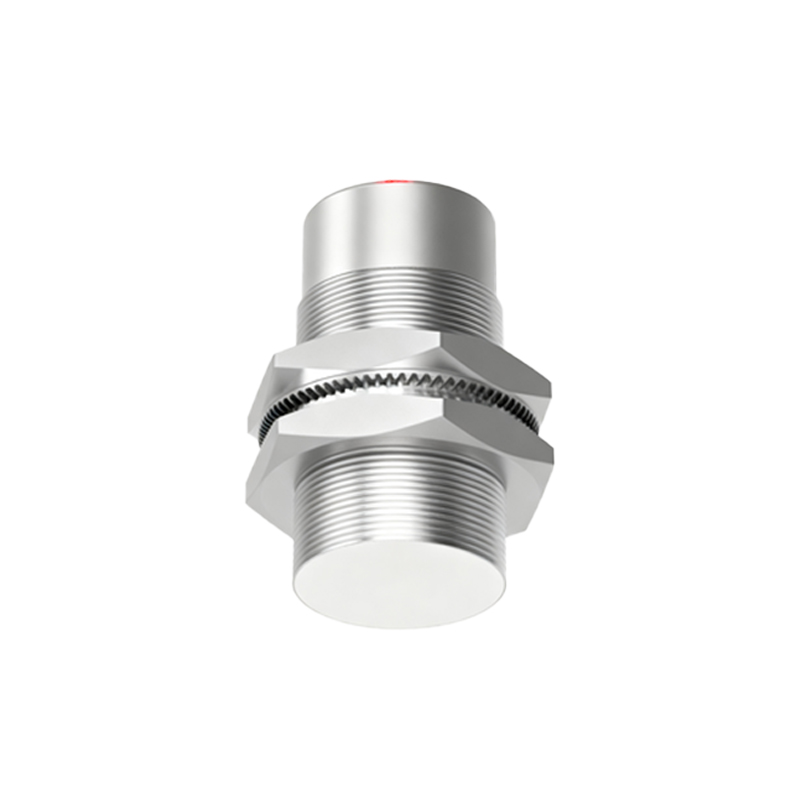
Selecting the right square capacitive proximity sensor requires careful consideration of several parameters. First, define the target material and its dielectric constant, as this directly influences the effective sensing range listed in the datasheet. The required sensing distance, or nominal range, must be chosen with a safety margin, typically 70-80% of the catalog value, to account for environmental factors and material variations. The housing material must be compatible with the operating environment; for instance, PVDF is preferred for highly aggressive chemical washes in the pharmaceutical industry. Electrical characteristics are paramount: choose between AC, DC, NPN (sinking), or PNP (sourcing) output types to match your control system (e.g., PLC input card). The output function, normally open (NO) or normally closed (NC), should align with the safety and logic requirements of the application. Finally, consider the connection method—pre-wired cable, quick-disconnect connector, or terminal block—based on installation and maintenance preferences.
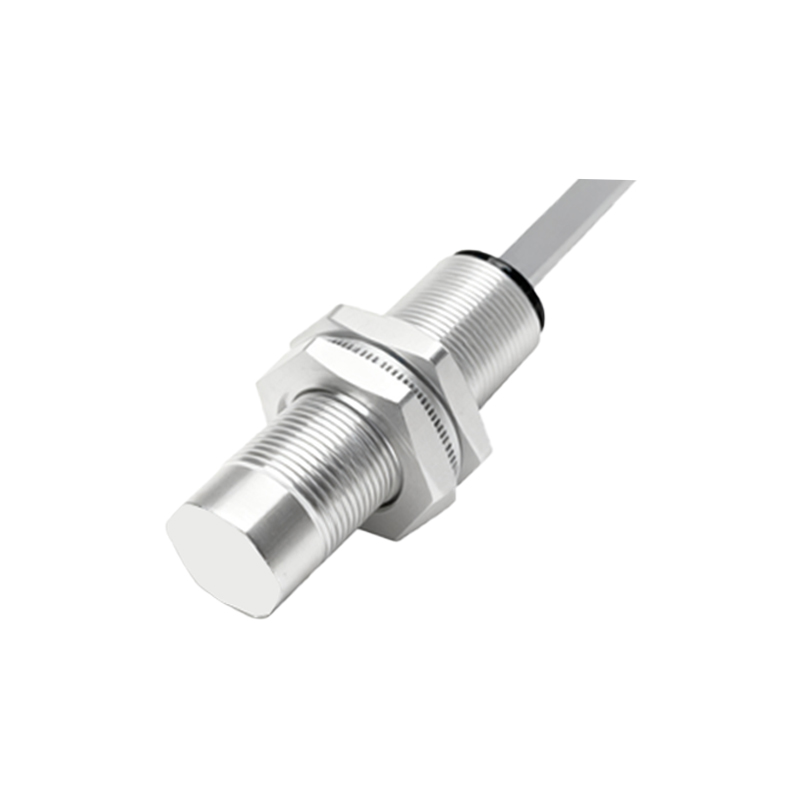
Installation and commissioning are straightforward but demand attention to detail. Ensure the sensor is mounted securely and that the sensing face is free from obstructions and buildup, as accumulated material can cause permanent activation. When detecting materials inside a container, adjust the sensitivity so the sensor triggers on the material, not the container wall. Always refer to the manufacturer's documentation for specific wiring diagrams, temperature limits, and environmental protection ratings (like IP67 for dust and temporary immersion protection).

In conclusion, the square capacitive proximity sensor is a highly adaptable and reliable solution for non-contact detection challenges involving non-metallic objects or through-barrier sensing. Its robust construction, material-agnostic detection capability, and functional design make it an indispensable component in modern automated systems. By understanding its operating principle and meticulously matching its specifications to the application needs, engineers can ensure optimal performance, enhanced process reliability, and reduced downtime across countless industrial operations.