Spot laser sensors are critical components in modern industrial automation, offering precise non-contact measurement for distance, position, and detection tasks. Proper installation is essential to ensure optimal performance, accuracy, and longevity. This guide outlines key steps and best practices for installing spot laser sensors in industrial environments.
First, conduct a thorough site assessment before installation. Identify the target surface characteristics, as reflectivity, color, and texture can affect sensor readings. For instance, dark or matte surfaces may require sensors with higher laser power or specialized algorithms. Ensure the operating environment is within the sensor’s specified temperature, humidity, and vibration tolerances. Avoid areas with excessive dust, moisture, or electromagnetic interference, which can degrade signal quality. If unavoidable, select sensors with appropriate IP ratings or protective housings.
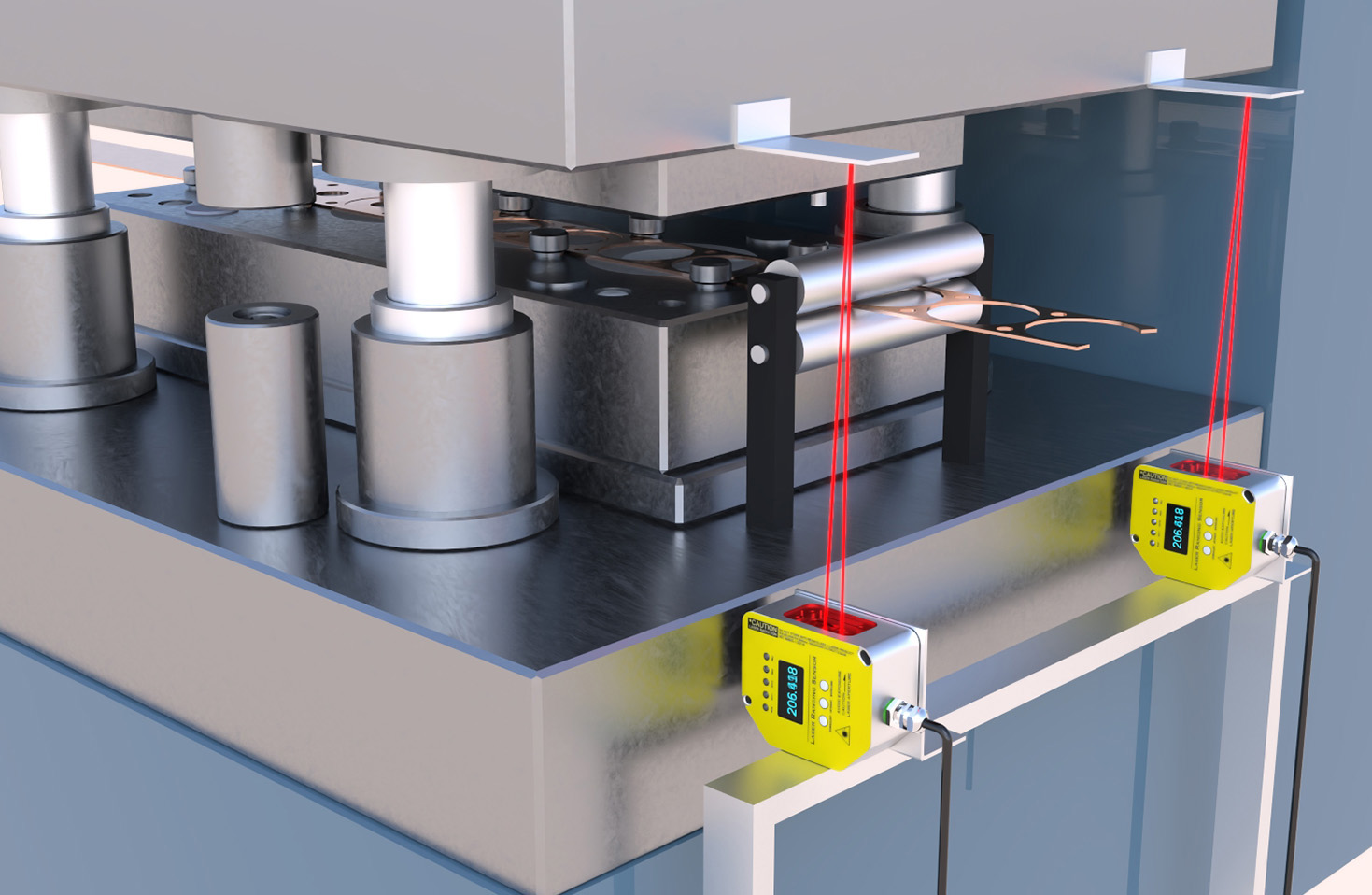
Mounting the sensor correctly is crucial for reliable operation. Use stable brackets or fixtures to secure the sensor, minimizing movement or misalignment. Align the laser beam perpendicular to the target surface to reduce measurement errors caused by angular deflection. For distance measurement applications, maintain the sensor within its specified measuring range, and consider using alignment tools or built-in indicators for precision. In dynamic setups, such as conveyor systems, ensure the sensor is mounted to avoid mechanical shocks or obstructions.
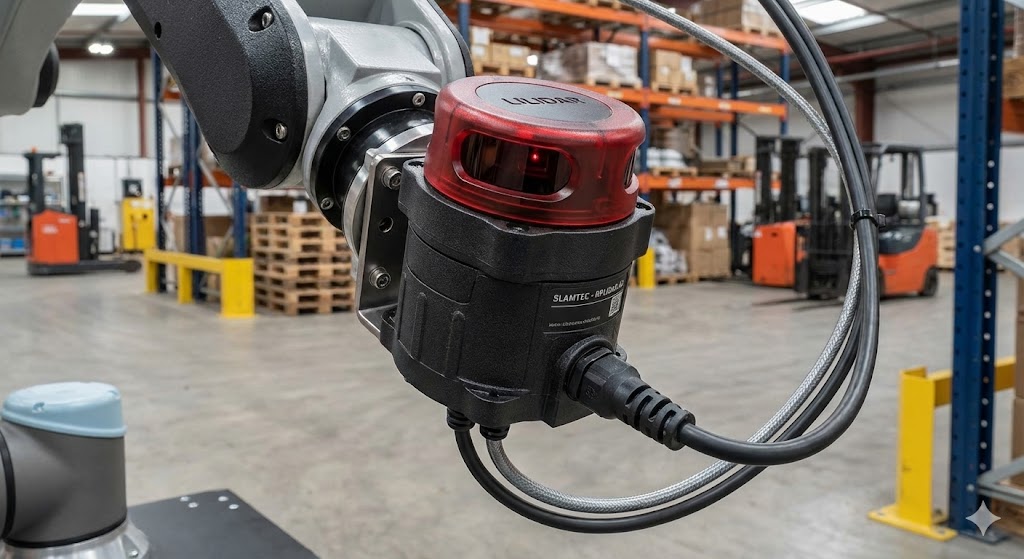
Wiring and connectivity must adhere to safety and functional standards. Follow the manufacturer’s wiring diagram to connect power, output signals, and communication interfaces. Use shielded cables to prevent electrical noise interference, especially in environments with motors or high-frequency equipment. Ground the sensor properly to avoid potential damage from voltage surges. For networked systems, configure parameters like response time and output logic via software tools, ensuring compatibility with PLCs or control systems.

Calibration and testing are vital post-installation steps. Perform initial calibration using reference targets or standardized objects to verify accuracy. Adjust settings such as sensitivity, threshold levels, and sampling rate based on application needs. For example, in object detection, set thresholds to distinguish between target and background signals. Conduct long-term tests under actual operating conditions to check for drift or environmental effects. Regular maintenance, including lens cleaning and firmware updates, helps sustain performance.
Common pitfalls to avoid include incorrect mounting angles, inadequate power supply, or ignoring ambient light interference. For instance, direct sunlight or strong artificial lights can saturate sensor receptors, leading to false readings. Use sensors with ambient light rejection features or install physical shields if needed. Additionally, ensure the laser class complies with safety regulations to protect operators from eye hazards.
In summary, successful spot laser sensor installation hinges on careful planning, precise mounting, proper wiring, and rigorous testing. By adhering to these guidelines, engineers can enhance system reliability, reduce downtime, and achieve accurate measurements in diverse industrial applications, from robotics to quality control.