In the realm of industrial automation and safety, proximity sensors play a pivotal role in detecting the presence or absence of objects without physical contact. Among these, the 2-meter proximity sensor represents a significant category, offering a substantial sensing range suitable for numerous demanding applications. This article delves into the various types of 2-meter proximity sensors available, their underlying technologies, and their critical roles across industries.
The term "2-meter proximity sensor" primarily refers to sensors capable of detecting objects at distances up to approximately 2 meters (about 6.5 feet). This extended range is not achieved by a single technology but through several distinct sensing principles, each with its own strengths and ideal use cases.
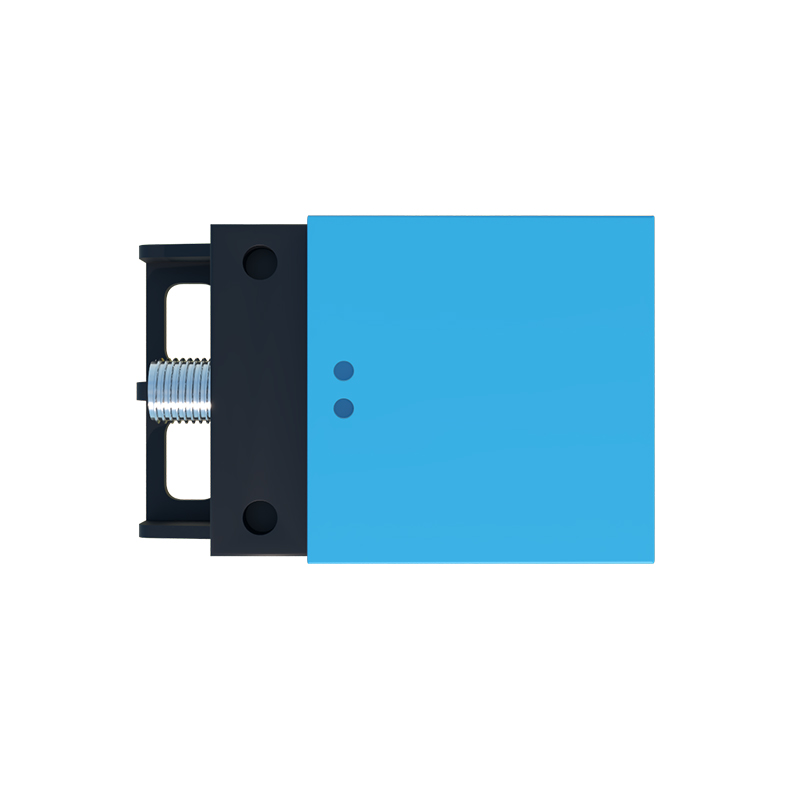
1. Ultrasonic Proximity Sensors
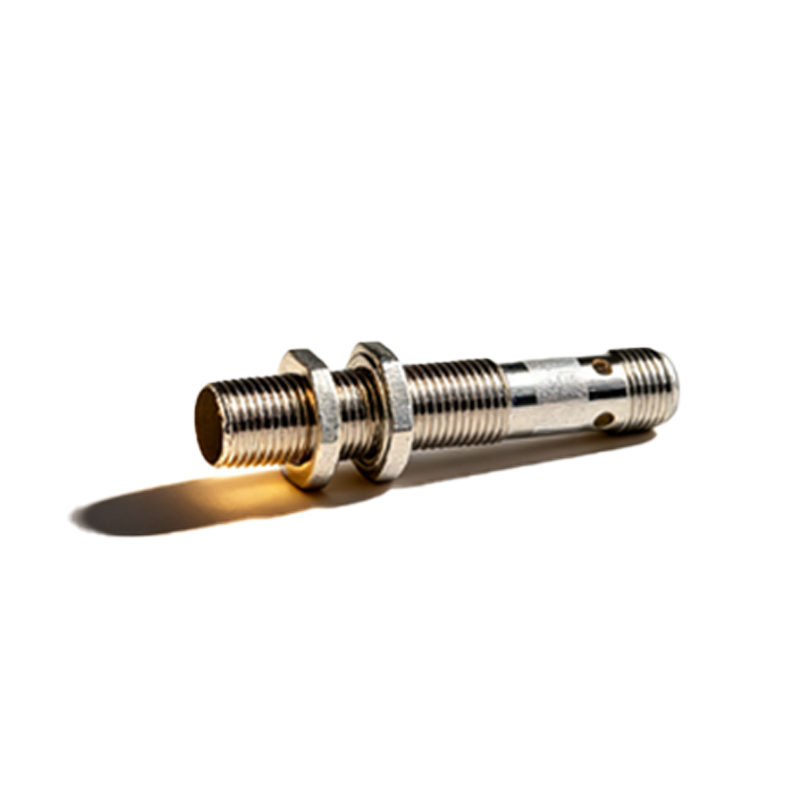
Ultrasonic sensors are among the most common technologies capable of reliably achieving a 2-meter sensing range. They operate by emitting high-frequency sound waves (ultrasonic pulses) and measuring the time it takes for the echo to return from a target object. These sensors are highly effective for detecting a wide variety of materials, including liquids, transparent objects, and uneven surfaces, which can be challenging for optical sensors. They are widely used in level sensing for tanks, distance measurement in automated guided vehicles (AGVs), and presence detection in packaging lines. Their performance can be affected by temperature variations and air turbulence, but modern models often include temperature compensation.
2. Laser Time-of-Flight (ToF) Sensors
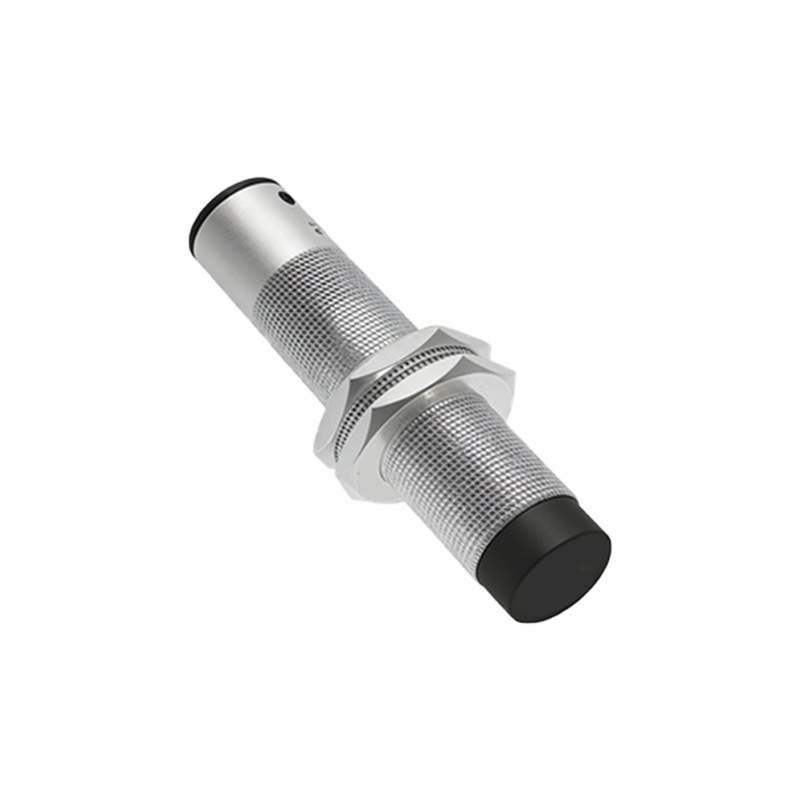
Laser-based Time-of-Flight sensors represent a high-precision option for 2-meter proximity detection. They work by emitting a laser pulse and precisely measuring the time for the reflection to return, calculating distance with great accuracy. These sensors offer a very small spot size, allowing for precise detection of small objects. They are indispensable in applications requiring exact positioning, such as robotic pick-and-place systems, warehouse automation for pallet measurement, and advanced security systems. Their key advantages include high accuracy, long range, and excellent resolution, though they can be more sensitive to environmental contaminants like dust and require careful alignment.
3. Long-Range Inductive Sensors (for Metallic Targets)
While standard inductive sensors have much shorter ranges, specialized long-range inductive sensors can detect large metallic objects at distances approaching 2 meters. These sensors generate an electromagnetic field, and a metallic object entering this field induces eddy currents, which are detected by the sensor. They are exceptionally robust, resistant to environmental factors like dust, moisture, and oils, and are perfect for harsh industrial environments. Typical applications include detecting the position of large metal structures, crane hook positioning, and monitoring vehicles on factory floors. Their limitation is that they only detect conductive metals.
4. Long-Range Capacitive Sensors
Similar to their inductive counterparts, specialized capacitive sensors can be designed for extended ranges up to 2 meters for detecting non-metallic materials. They detect objects by measuring changes in capacitance caused by the presence of any material that alters the dielectric constant of the sensor's field. This makes them suitable for detecting liquids, wood, plastics, granules, and other materials. They are commonly used in level control for silos containing non-metallic substances, presence detection of paper or plastic rolls, and in the food and chemical industries. Their sensing distance can be influenced by the material's density and environmental humidity.
5. Photoelectric Sensors (Long-Range Models)
Certain photoelectric sensors, specifically through-beam and long-range diffuse reflective models, can achieve a 2-meter sensing distance. Through-beam sensors, with a separate emitter and receiver, offer the most reliable long-range detection. Retro-reflective models using a reflector can also achieve this range. They are excellent for detecting objects of various colors and materials (except completely transparent ones) and are used in conveyor belt systems, automated storage and retrieval systems (AS/RS), and door control systems. Their performance can be degraded by ambient light, dust, fog, or dirt on the lenses.
Selection Criteria and Application Considerations
Choosing the right 2-meter proximity sensor requires a careful analysis of the application:
Target Material: Metal, plastic, liquid, or a composite?
Environmental Conditions: Presence of dust, moisture, temperature extremes, or vibration.
Required Precision: Does the application need simple presence detection or precise distance measurement?
Response Time: How quickly must the sensor react?
Output Type: Discrete (PNP/NPN) or analog (4-20 mA, 0-10V) output?
In conclusion, the 2-meter proximity sensor is not a single product but a capability offered by multiple advanced sensing technologies. From the versatile ultrasonic sensor to the precise laser ToF sensor and the robust long-range inductive model, each serves a unique niche in modern industry. Understanding the fundamental principles and application boundaries of each type is crucial for