In the realm of industrial automation, precision, reliability, and durability are non-negotiable. Omron proximity sensors stand as a cornerstone technology, enabling countless machines and systems to operate with seamless efficiency. These non-contact detection devices are engineered to sense the presence or absence of an object without physical touch, leveraging electromagnetic fields, light, or sound. Omron, a global leader in automation components, has consistently pushed the boundaries of sensor technology, offering a diverse portfolio that caters to the most demanding industrial environments.
The fundamental principle behind inductive proximity sensors, Omron's most common type, involves an oscillator generating a high-frequency electromagnetic field from the sensor's face. When a metallic target enters this field, eddy currents are induced within the object, causing a change in the oscillation amplitude. This change is detected by a threshold circuit, which subsequently switches the sensor's output state. This robust design makes them impervious to dirt, oil, and other contaminants that would cripple mechanical switches. For non-metallic objects, Omron provides capacitive proximity sensors, which detect changes in capacitance caused by the target material, and photoelectric sensors, which use light beams for detection over longer ranges.
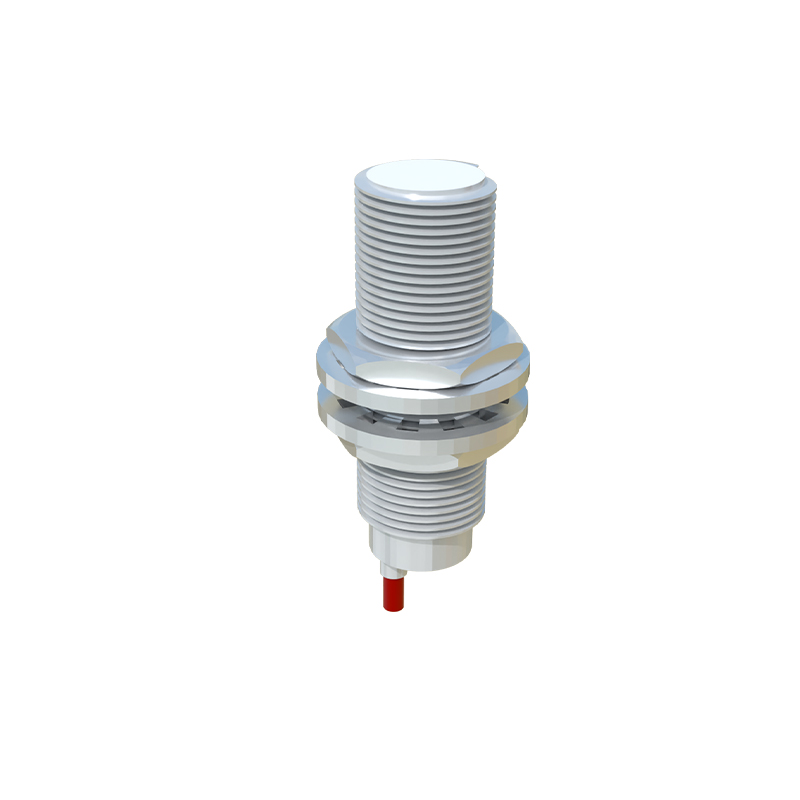
Omron's engineering excellence is evident in several key product features. First is their exceptional sensing distance. Despite compact housings, models like the E2E series offer generous sensing ranges, allowing for flexible mechanical design and installation. Second is their unparalleled environmental resistance. Many sensors boast IP67, IP68, or even IP69K ratings, ensuring reliable operation under harsh conditions involving washdowns, coolants, or metal shavings. The use of resin-molded coils and potted electronics shields them from vibration and shock that are commonplace in manufacturing plants.
Furthermore, Omron integrates advanced diagnostics and connectivity. Modern series, such as the E2A, feature built-in indicators for output status, stability, and even sensing distance adjustment. This simplifies setup, maintenance, and troubleshooting, reducing machine downtime. Compatibility with IO-Link communication protocol in select models transforms a simple sensor into a smart device, providing detailed parameterization and process data to higher-level control systems for predictive maintenance and data-driven optimization.
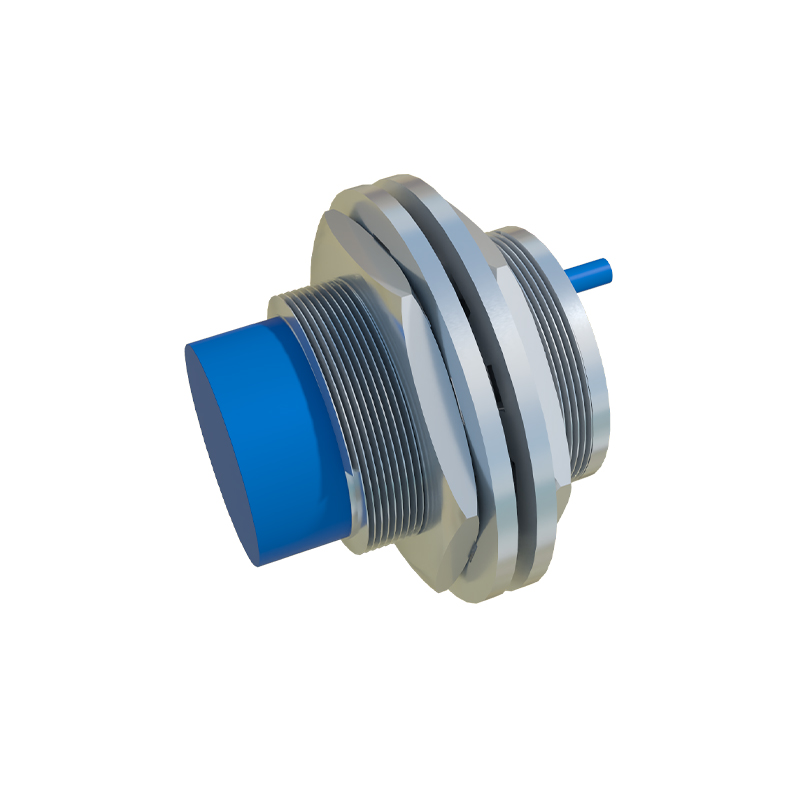
Selection of the correct Omron proximity sensor is critical. Engineers must consider factors like target material (ferrous/non-ferrous metal, plastic, liquid), required sensing distance, output type (NPN/PNP, NO/NC), housing shape (barrel, rectangular, ring), and supply voltage. For example, in a metal stamping press, a shielded inductive sensor would be ideal for detecting steel parts, while a capacitive sensor would monitor fluid levels in a tank. Omron's extensive catalog, with detailed technical specifications and application notes, provides invaluable guidance for this process.
Installation and wiring, while straightforward, demand attention to detail. Ensuring adequate clearance from surrounding metal (the "flush-mountable" or "non-flush" characteristic), using proper mounting hardware, and following EMC guidelines for cable routing are essential for avoiding false triggers and ensuring longevity. Omron's datasheets clearly outline these requirements.
In practical applications, Omron sensors are ubiquitous. They perform precise positioning in robotic arms, count products on high-speed conveyor lines, confirm the closure of safety doors, and detect the end-of-travel in automated guided vehicles. Their robustness ensures continuous operation in industries ranging from automotive and packaging to food & beverage and semiconductor manufacturing.
Looking ahead, Omron continues to innovate, focusing on miniaturization, enhanced noise immunity, and deeper Industry 4.0 integration. The future points towards sensors with even smarter diagnostics, wireless capabilities, and energy-harvesting designs. For any automation engineer, a deep understanding of Omron's proximity sensor technology is not just an asset—it is fundamental to designing resilient, efficient, and intelligent industrial systems. Their proven track record and continuous innovation solidify their position as an indispensable component in the automation landscape.