In the realm of industrial automation and control systems, proximity switch sensors play a pivotal role in non-contact detection, offering reliability and longevity. Among the various configurations, the two-wire DC 36V magnetic induction proximity sensor stands out for its simplicity and efficiency. This article delves into the principles, applications, and advantages of this specific sensor type, tailored for professionals in the electrical and automation industries.
Proximity sensors operate by detecting the presence or absence of an object without physical contact. The two-wire DC 36V variant utilizes magnetic induction, where a built-in magnet generates a magnetic field. When a ferromagnetic object, such as a steel gear or actuator, enters this field, it causes a change in the sensor's internal state, triggering an output signal. The "two-wire" design refers to the wiring configuration, which combines power supply and output in a single pair of wires, simplifying installation and reducing costs compared to three-wire or four-wire models. The DC 36V rating indicates the operating voltage, commonly used in industrial settings due to its balance between safety and performance.
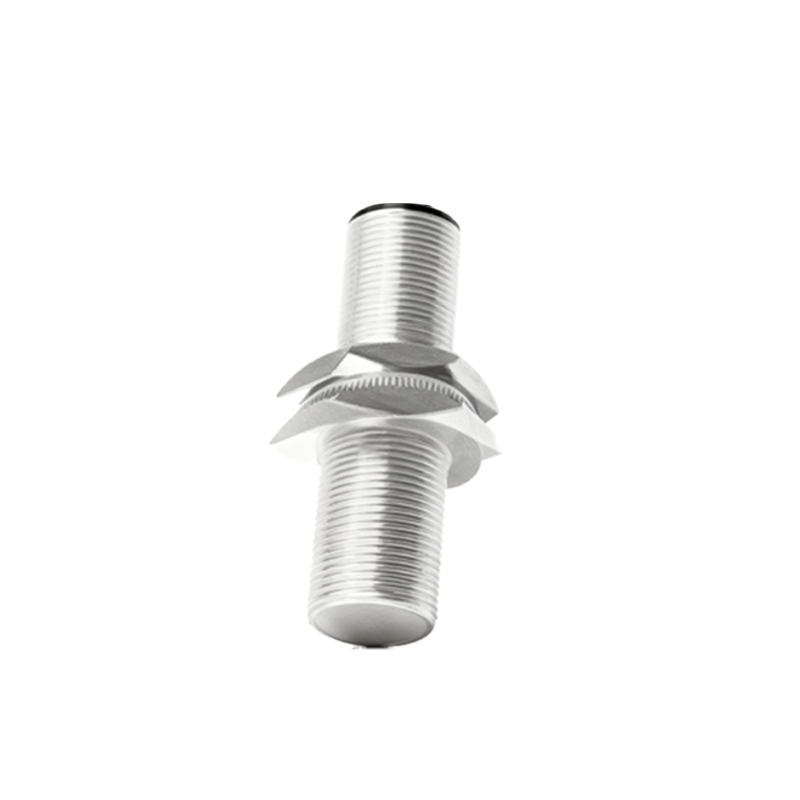
The core mechanism involves a reed switch or Hall-effect sensor coupled with a permanent magnet. In a typical setup, the sensor is powered by a 36V DC source. Under normal conditions, with no target present, the sensor remains in a default state (either normally open or normally closed). As a magnetic or ferrous object approaches, the magnetic field disturbs the sensor's internal components, causing the switch to change state—for instance, closing a circuit to send a signal to a programmable logic controller (PLC) or relay. This process is swift, often with response times in milliseconds, making it suitable for high-speed applications like conveyor belt monitoring, robotic arm positioning, or machine tool safety interlocks.
Key advantages of two-wire DC 36V magnetic induction proximity sensors include their ruggedness and low maintenance. With no moving parts exposed, they resist wear from mechanical contact, ideal for harsh environments with dust, moisture, or vibrations. The two-wire system reduces wiring complexity, minimizing potential points of failure and easing troubleshooting. Additionally, the DC 36V specification ensures compatibility with standard industrial power supplies, avoiding the need for additional voltage converters. Energy efficiency is another benefit, as these sensors typically consume minimal current, reducing overall system power demands.
Applications span diverse sectors, from manufacturing and automotive to packaging and material handling. For example, in assembly lines, these sensors detect metal components on moving pallets, ensuring precise timing for robotic operations. In automotive plants, they monitor the position of engine parts during machining, enhancing quality control. The magnetic induction feature allows for detection through non-ferrous materials, enabling uses in enclosed systems where sensors must be mounted behind covers or walls. However, it's crucial to note that effective sensing distances are limited, usually ranging from a few millimeters to several centimeters, depending on the sensor model and target material.
When selecting a two-wire DC 36V magnetic induction proximity sensor, engineers should consider factors such as sensing range, output type (e.g., NPN or PNP), environmental ratings (like IP67 for water resistance), and temperature tolerance. Proper installation involves aligning the sensor perpendicular to the target path and avoiding interference from other magnetic sources. Regular testing with a multimeter or diagnostic tool can verify functionality, ensuring optimal performance in critical systems.
In summary, the two-wire DC 36V magnetic induction proximity sensor offers a robust, cost-effective solution for non-contact detection in industrial automation. Its simplicity, durability, and compatibility make it a staple in modern electrical engineering, driving efficiency and safety across applications. As technology advances, innovations in materials and electronics may further enhance its capabilities, but the core principles of magnetic induction remain a reliable foundation for sensing needs.