In the realm of industrial automation and control systems, proximity sensors are ubiquitous components, silently performing critical tasks of non-contact object detection. A common question that arises among maintenance engineers, system integrators, and procurement specialists is: "Are proximity sensors easy to break?" The answer is not a simple yes or no. Their reliability is a function of design, application, environmental factors, and proper selection. Generally, modern proximity sensors, particularly inductive, capacitive, and photoelectric types, are engineered for high durability and long service life, often rated for tens of millions of operating cycles. However, they are not immune to failure.
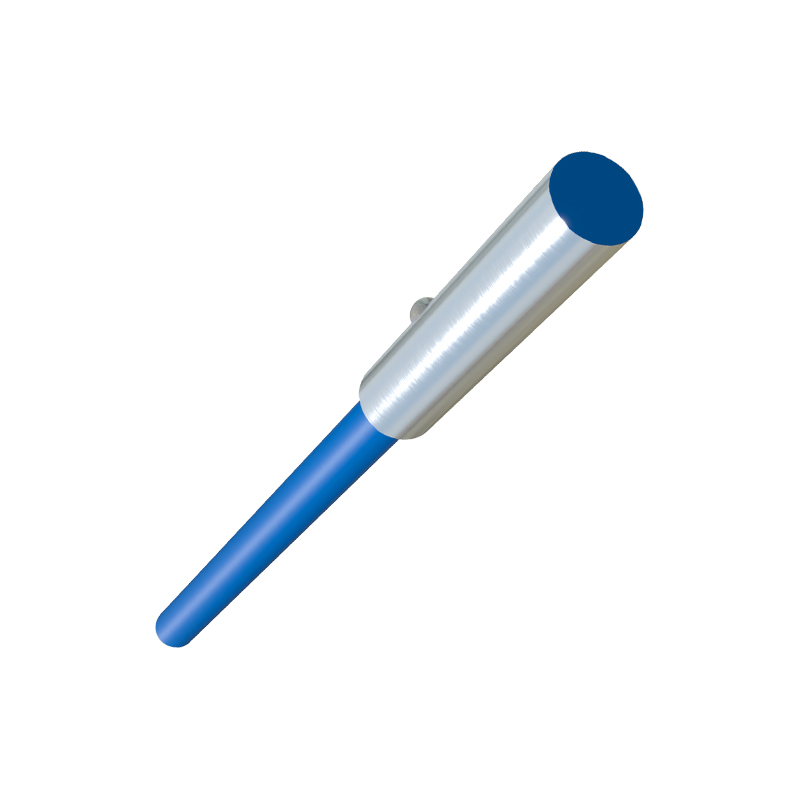
The core technology of an inductive proximity sensor, for instance, involves an oscillator coil and a ferrite core housed within a robust casing, typically made of nickel-plated brass, stainless steel, or PBT plastic. There are no moving mechanical parts subject to wear, which inherently contributes to their robustness. The primary point of potential vulnerability lies not in the sensing principle itself but in the interface between the sensor and its often harsh operating environment.
Several key factors significantly influence the failure rate and lifespan of a proximity sensor. First and foremost is environmental stress. Excessive heat can degrade electronic components and insulation, while extreme cold can affect material properties and signal stability. Exposure to corrosive chemicals, oils, or coolants can attack the sensor housing, cable jacket, or sealing materials, leading to ingress and internal damage. This is why the Ingress Protection (IP) rating, such as IP67 or IP69K, is a critical selection criterion. A sensor rated IP67 can withstand temporary immersion, making it suitable for washdown areas, whereas a lower rating might fail quickly in such conditions.
Electrical factors are another major contributor to premature failure. Voltage spikes, transients, or improper power supply voltage can damage the internal circuitry. Inductive loads like solenoids or motors, when switched near the sensor wiring, can induce voltage surges. Ensuring proper surge protection and using shielded cables with correct grounding practices are essential. Additionally, short-circuit currents or incorrect wiring (e.g., connecting a PNP sensor to an NPN input module) can cause immediate or latent damage.
Mechanical stress, though the sensor has no moving parts, is a real concern. Physical impact from machinery, tools, or conveyed products can crack housings or misalign sensing faces. Continuous vibration can loosen internal connections or solder joints over time. Selecting a sensor with an appropriate mechanical construction (e.g., cylindrical with a flush-mounting capability or a particularly ruggedized model) for the specific mechanical challenge is vital.
Furthermore, operational misapplication accelerates wear. Exceeding the specified sensing distance, detecting inappropriate materials (e.g., using a standard inductive sensor to detect aluminum at the same range as steel), or operating at frequencies beyond its switching capacity can lead to unreliable performance and heat generation. Sensor overload, where the sensor is constantly activated beyond its duty cycle, can also reduce lifespan.
Manufacturing quality plays a fundamental role. Reputable brands invest in high-grade components, rigorous testing, and consistent production standards. A cheaper, off-brand sensor might save initial cost but often lacks the same level of environmental sealing, component tolerance, and quality control, leading to a higher probability of early-field failure.
Proactive maintenance is the best defense against unexpected downtime. Regular inspections for physical damage, corrosion, or loose connections are recommended. Monitoring the sensor's performance through PLC diagnostics or amperage checks can identify sensors that are drifting out of specification before they fail completely. Implementing predictive maintenance schedules based on the operational environment's severity can preemptively replace sensors nearing their statistical end of life.
In conclusion, proximity sensors are not inherently "easy to break." They are remarkably resilient devices when correctly selected and installed within their specified operational envelope. Most failures can be traced back to environmental extremes, electrical mishaps, mechanical abuse, or application errors—factors outside the sensor's intrinsic design. By understanding these failure modes and adhering to best practices in selection, installation, and protection, engineers can maximize sensor longevity, ensuring reliable and continuous operation in demanding industrial settings. The key to durability lies not just in the sensor's build but in the synergy between the right sensor technology and a well-considered application strategy.