Metal proximity switches are widely used in industrial automation for detecting the presence or absence of metallic objects without physical contact. These sensors operate on electromagnetic principles, typically using inductive or capacitive sensing methods. Despite their robustness, they are prone to various failures that can disrupt production lines and cause downtime. Understanding common failure modes and effective troubleshooting steps is essential for maintaining operational efficiency.
One frequent issue is sensor misalignment or incorrect mounting. If the sensor is not properly aligned with the target object, it may fail to detect or trigger false signals. This often results from vibration, mechanical shock, or improper installation. To resolve this, verify the sensor's alignment according to the manufacturer's specifications and ensure stable mounting. Additionally, check for any obstructions or buildup of debris around the sensing face, as contaminants like metal shavings or dust can interfere with detection.
Electrical failures are another common problem. Overvoltage, voltage spikes, or incorrect wiring can damage the sensor's internal circuitry. Symptoms include no output signal, erratic behavior, or complete failure. Always confirm the power supply matches the sensor's rated voltage and current. Use surge protectors or voltage regulators in environments with unstable power. Inspect wiring connections for loose terminals, corrosion, or short circuits. In cases of persistent electrical issues, testing with a multimeter can help identify faults in the supply or output circuits.
Environmental factors significantly impact sensor performance. Extreme temperatures, humidity, or exposure to chemicals can degrade components. For instance, high temperatures may cause thermal drift, altering the sensor's sensing distance. In corrosive environments, the housing or sensing face may deteriorate, leading to failure. Select sensors with appropriate IP ratings and material compatibility for the operating conditions. Regular maintenance, such as cleaning and inspection, can mitigate environmental damage.
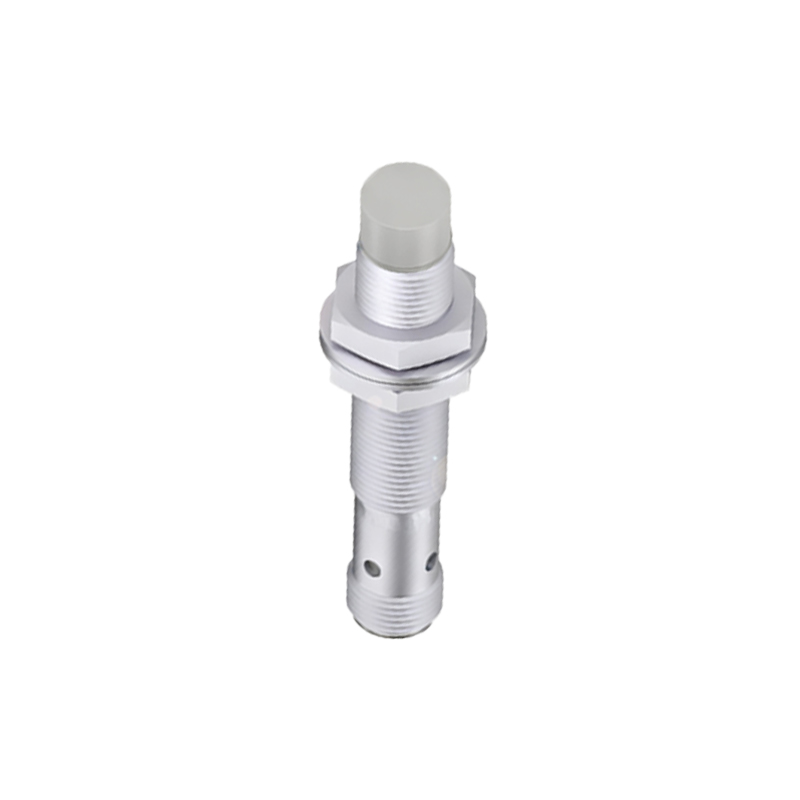
Wear and tear over time is inevitable. Mechanical components, like the sensor's housing or internal springs, may fatigue, especially in high-cycle applications. Additionally, the sensing element itself can degrade, reducing sensitivity. Implement preventive maintenance schedules to replace sensors before they fail. Monitoring performance trends, such as increased response time or decreased detection range, can signal impending failure.
Interference from other electromagnetic sources is a subtle yet critical issue. Nearby motors, transformers, or high-frequency devices can induce noise, causing false triggering or reduced reliability. To address this, ensure proper shielding of cables and sensors, maintain adequate distance from interference sources, and use twisted-pair cables for signal transmission. In severe cases, installing filters or opting for sensors with noise immunity features may be necessary.
Calibration drift is another concern, particularly in precision applications. Over time, sensors may deviate from their original calibration due to component aging or environmental changes. Regular recalibration according to the manufacturer's guidelines ensures accuracy. For critical applications, consider using self-calibrating or programmable sensors that adjust automatically.
When troubleshooting, follow a systematic approach. Start by reviewing the sensor's documentation and error indicators, if available. Check physical and electrical connections, then test with a known good target. Use diagnostic tools like oscilloscopes or PLC monitors to analyze signal integrity. If the sensor remains faulty, replace it with a compatible unit and document the failure for future reference.
In summary, metal proximity switch failures often stem from mechanical, electrical, or environmental causes. Proactive maintenance, correct installation, and environmental controls are key to minimizing downtime. By understanding these common issues and applying targeted troubleshooting, engineers can enhance system reliability and extend sensor lifespan.