In the modern industrial landscape, monitoring airborne particulate matter is not merely a regulatory obligation but a critical component of operational safety, process efficiency, and environmental stewardship. Among the various technologies available, laser dust sensors have emerged as a dominant and sophisticated solution for real-time, accurate dust concentration measurement. This article delves into the operational principles, key applications, and essential selection criteria for these advanced instruments, providing a comprehensive guide for engineers and facility managers.
At its core, a laser dust sensor operates on the principle of light scattering, specifically Mie scattering theory. The sensor emits a highly focused beam of laser light into a controlled sampling chamber. As airborne particles are drawn into this chamber via an integrated fan or pump, they intersect the laser path. Upon striking a particle, the laser light scatters in all directions. A strategically positioned photodetector, set at a specific angle (commonly 90 degrees for optimal signal-to-noise ratio), captures this scattered light. The intensity of the scattered light is directly proportional to the concentration and size of the particles present. Sophisticated onboard algorithms then process this photoelectric signal, converting it into a digital output representing mass concentration, typically in units like micrograms per cubic meter (µg/m³) or milligrams per cubic meter (mg/m³).
The advantages of laser-based sensors over traditional methods, such as gravimetric sampling or older light-scattering methods using LEDs, are substantial. They offer exceptional sensitivity, capable of detecting fine particles (PM2.5, PM10) and even ultrafine particles. Their response time is nearly instantaneous, enabling real-time monitoring and rapid feedback for control systems. Furthermore, modern laser dust sensors are designed for longevity and stability, with self-diagnostic functions and minimal drift over time.
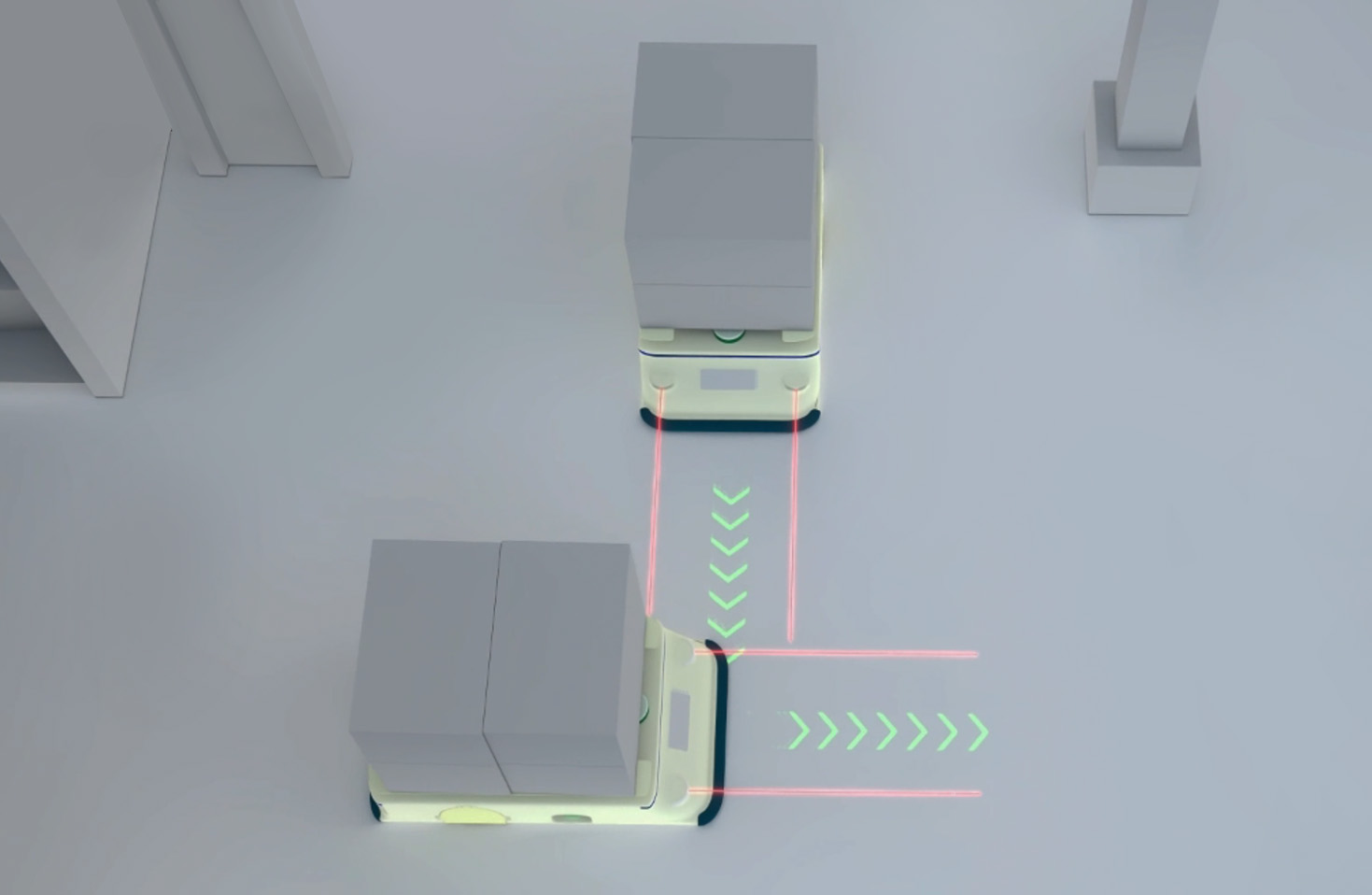
The applications for laser dust sensors span a wide array of industries. In manufacturing, they are indispensable for monitoring dust levels in woodworking shops, metal grinding facilities, and pharmaceutical cleanrooms to protect worker health and product integrity. Within the HVAC sector, these sensors are integrated into building management systems to optimize air filtration and ensure indoor air quality (IAQ). Environmental monitoring stations rely on them for tracking atmospheric pollution. A critical and growing application is in workplace safety compliance, helping facilities adhere to standards set by organizations like OSHA (Occupational Safety and Health Administration) by monitoring exposure to respirable crystalline silica, welding fumes, and other hazardous dusts.
Selecting the appropriate laser dust sensor for a specific application requires careful consideration of several technical parameters. First, the measurement range must align with expected dust concentrations, from very clean environments to heavily laden industrial settings. Particle size detection capability is crucial; ensure the sensor is calibrated for the relevant particulate matter (e.g., PM1, PM2.5, PM10, or total suspended particulates). Output options are another key factor, with common interfaces including analog (0-5V, 4-20mA), digital (UART, I2C), and industrial protocols like Modbus. The sensor's operating environment dictates its required ingress protection (IP) rating for dust and water resistance, as well as its tolerance for temperature and humidity fluctuations. Finally, consider maintenance needs, such as the recommended calibration interval and the ease of cleaning the optical chamber to prevent contamination.
In conclusion, laser dust sensors represent a pinnacle of precision instrumentation for particulate monitoring. Their ability to provide reliable, real-time data empowers industries to create safer workplaces, optimize processes, and meet stringent environmental regulations. By understanding their working principles and carefully evaluating specifications against application needs, engineers can effectively leverage this technology to build smarter, cleaner, and more compliant industrial operations. As sensor technology continues to advance, we can expect even greater integration with IoT platforms and predictive analytics, further enhancing their role in industrial automation and health protection.