In the landscape of modern electronics, the seamless integration of sensors is paramount for creating intuitive and efficient user interfaces. Among these, the proximity sensor stands as a critical component, and the 20Pro series represents a significant advancement in this technology. This article delves into the technical specifications, operational principles, and diverse applications of the 20Pro proximity sensor, providing a comprehensive overview for engineers and industry professionals.
At its core, the 20Pro proximity sensor is an infrared (IR)-based device designed to detect the presence or absence of an object within a specified range without physical contact. Its operation hinges on a simple yet effective principle: an IR LED emits a beam of infrared light, and a photodiode or phototransistor detects the light reflected back from a nearby object. The 20Pro model enhances this basic principle with improved signal processing algorithms and higher-quality optical components, resulting in superior accuracy, faster response times, and reduced susceptibility to ambient light interference. Typical detection ranges for the 20Pro can be configured from a few millimeters up to several centimeters, making it versatile for various design constraints.
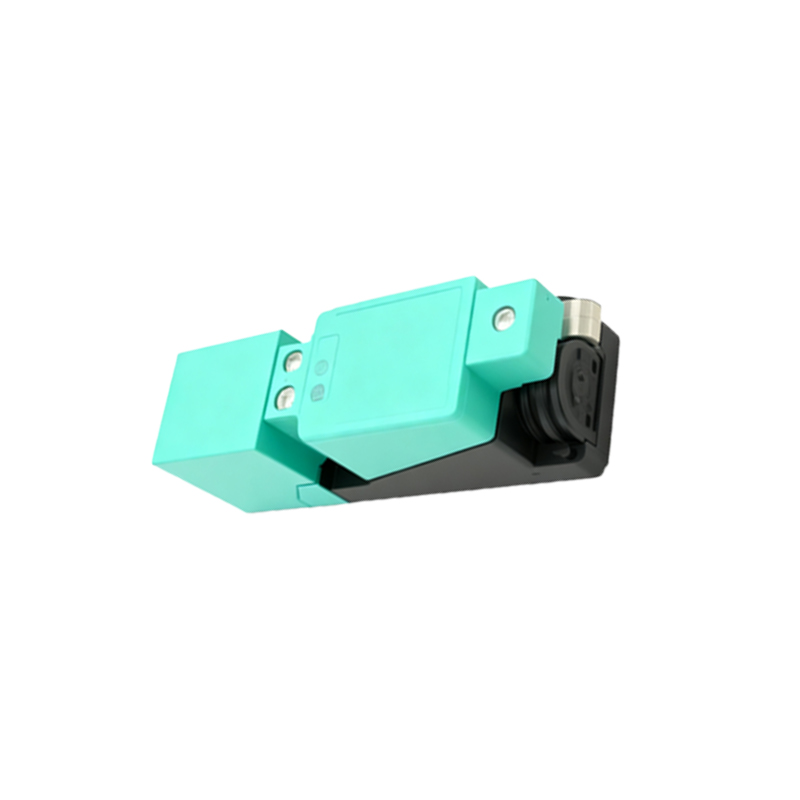
One of the standout features of the 20Pro sensor is its low power consumption profile. Engineered for always-on applications prevalent in portable and battery-operated devices, it incorporates advanced power management circuits that allow it to operate in a low-duty-cycle mode, waking the main system only when a valid detection event occurs. This is crucial for extending battery life in smartphones, tablets, and wearable technology. Furthermore, the 20Pro boasts excellent noise immunity. Its digital output, often through an I2C or a similar serial interface, provides a clean, debounced signal to the host microcontroller, minimizing false triggers caused by electrical noise or gradual environmental changes.
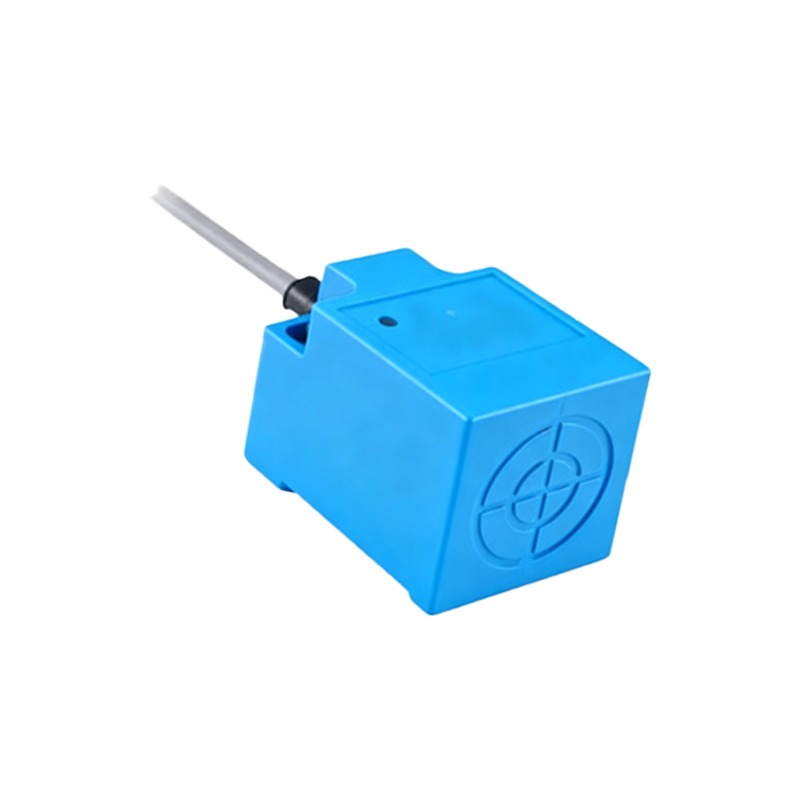
The housing and optical design of the 20Pro are also noteworthy. It typically comes in a compact, surface-mount package that facilitates automated assembly processes. The IR emitter and receiver are optically isolated within the package to prevent internal crosstalk, and the lens is designed to create a well-defined detection field. This precise field definition prevents unintended activation, a common challenge in tightly packed electronic assemblies. Engineers can often fine-tune parameters such as the detection threshold and persistence time via register settings, allowing for customization to specific application needs.
The applications for the 20Pro proximity sensor are extensive and growing. Its most familiar use is in smartphones and tablets, where it detects when a user holds the device to their ear during a call, automatically turning off the touchscreen display to save power and prevent accidental inputs. Beyond consumer electronics, it finds critical roles in industrial automation for object counting, jam detection in conveyor systems, and non-contact limit switching. In the automotive sector, these sensors are used in touchless control panels, gesture recognition for infotainment systems, and safety systems to detect occupants. Even in home appliances, the 20Pro enables touchless faucets, automatic soap dispensers, and energy-saving features for displays on smart ovens or refrigerators.
Integration of the 20Pro sensor into a system requires careful consideration. PCB layout is critical; the sensor should be placed away from other IR sources or reflective surfaces that could cause false readings. A small cutout or window in the device's enclosure is necessary, and the material covering this window must be transparent to the IR wavelength used (typically around 940nm). Black paints and certain plastics can be opaque to IR, so material selection is key. Calibration during manufacturing ensures consistent performance across all units, compensating for minor variations in component tolerances.
Looking forward, the evolution of proximity sensing continues. The 20Pro platform is well-positioned to integrate with other sensing modalities, such as ambient light sensors (ALS), to create more context-aware systems. Future iterations may include multi-object detection or simple gesture recognition capabilities. For now, the 20Pro proximity sensor remains a robust, reliable, and highly efficient solution for adding non-contact detection to a myriad of electronic designs. Its blend of performance, low power, and digital intelligence makes it an indispensable tool for engineers aiming to create more responsive and power-efficient products in an increasingly automated world.