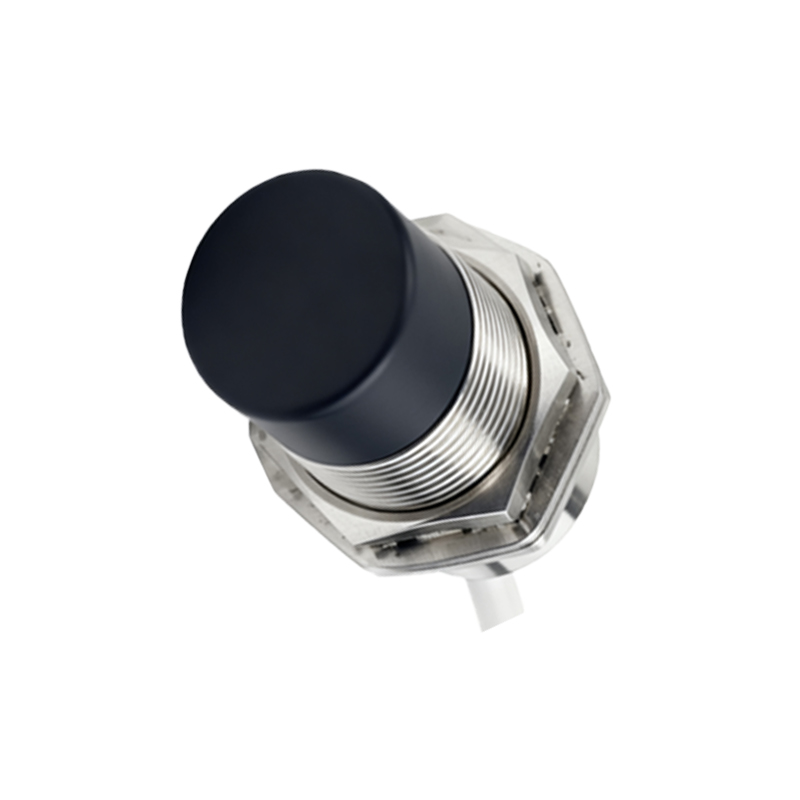
Proximity switch sensors play a critical role in modern industrial automation, particularly when integrated with pneumatic cylinders. These non-contact sensing devices detect the presence or absence of a target—typically the piston within a cylinder—without physical interaction. This capability is fundamental to ensuring precise control, safety, and efficiency in automated systems.
The primary function of a proximity sensor on a pneumatic cylinder is to provide real-time positional feedback. As the cylinder piston moves, the sensor detects its position at predetermined points, often at the fully extended or fully retracted ends of the stroke. This detection generates an electrical signal that is sent to the system's controller, such as a PLC (Programmable Logic Controller). The controller uses this signal to confirm the cylinder has completed its intended action before initiating the next sequence in a process. This verification is vital for coordinated operations in assembly lines, packaging machinery, material handling, and robotic applications. Without this feedback, systems would lack the certainty needed for reliable automation, potentially leading to malfunctions, jams, or unsafe conditions.
Beyond basic position confirmation, these sensors enhance system safety and diagnostics. By monitoring cylinder position, they can help prevent machine damage that might occur if a cylinder fails to stroke completely. For instance, if a sensor does not detect the piston at its expected end position within a specified time window, the PLC can trigger an alarm or a safe shutdown, allowing for maintenance before a minor issue escalates. This predictive maintenance aspect reduces downtime and operational costs.
Several types of proximity sensors are commonly used with pneumatic cylinders. Inductive proximity sensors are prevalent for detecting metallic piston rods or magnetic pistons. They generate an electromagnetic field and react to the eddy currents induced in a metal target. For cylinders with non-metallic components or in environments requiring different sensing characteristics, capacitive or magnetic field sensors might be employed. Cylinders often come with built-in sensor slots or grooves, facilitating the easy mounting of tubular or rectangular proximity switches. Proper selection involves considering factors like sensing distance, switching frequency, environmental conditions (temperature, contaminants), and output type (PNP/NPN).
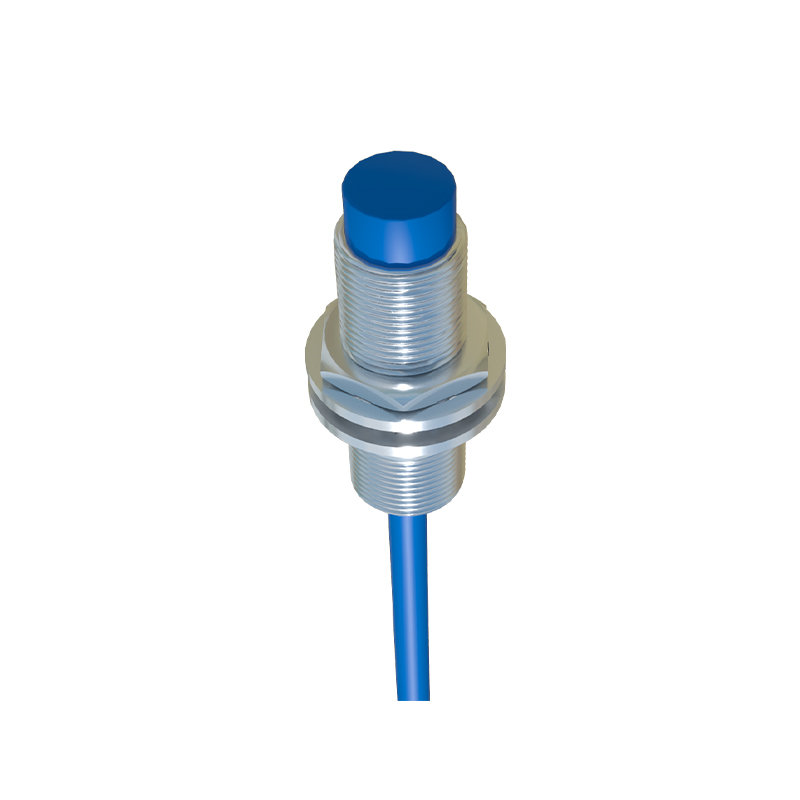
The integration process is straightforward but requires attention to detail. The sensor must be correctly aligned with the target—usually a piston ring or a flag—within its specified sensing range. Wiring must conform to electrical standards, with careful isolation to prevent interference from the solenoid valves that control the cylinder. Shielded cables are often recommended in electrically noisy industrial environments.
In practice, the benefits are substantial. Systems gain repeatability and accuracy, as the sensor provides a consistent digital signal for piston position. This allows for more complex and faster machine cycles. Energy efficiency can also improve, as the air supply to the cylinder can be more precisely controlled based on confirmed positional data. From simple clamping operations to intricate pick-and-place robots, the combination of a pneumatic cylinder and a proximity switch sensor forms a reliable and fundamental building block of automation.
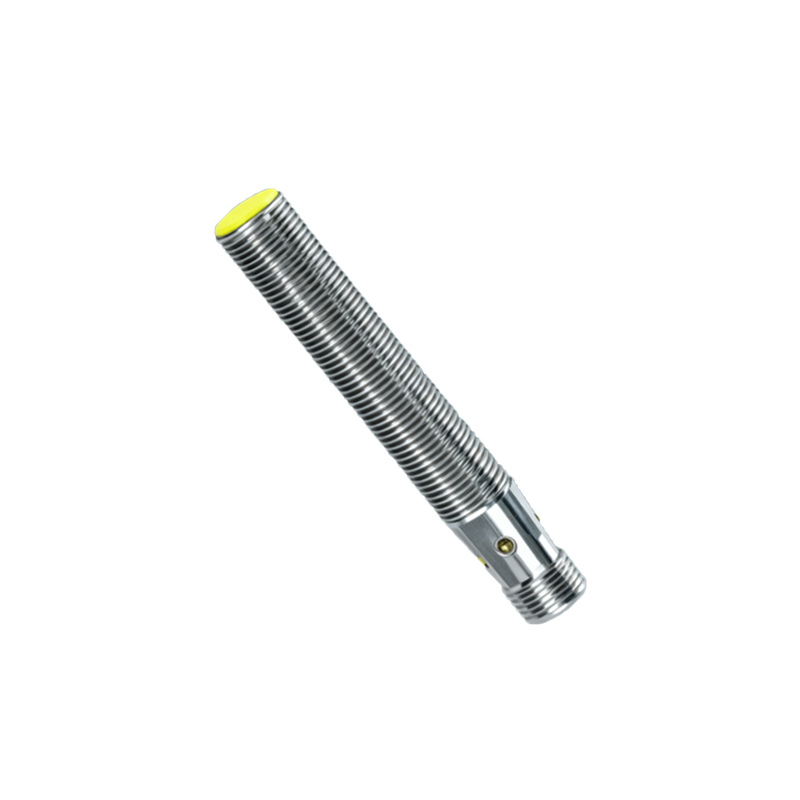
Looking forward, advancements in sensor technology, such as IO-Link communication, are adding intelligence to these devices. Smart sensors can provide not just a binary on/off signal but also diagnostic data about their own health and performance, further integrating into Industry 4.0 and predictive maintenance strategies. However, the core function remains unchanged: to deliver a reliable, non-contact indication of a pneumatic cylinder's position, enabling smarter, safer, and more efficient industrial automation.