In industrial automation systems, laser sensors are critical components for precise measurement, object detection, and quality control. However, a common operational challenge is laser sensor blockage, which can lead to production downtime, inaccurate readings, and potential safety risks. Understanding the causes, diagnostic steps, and resolution methods is essential for maintaining system efficiency.
Laser sensors operate by emitting a focused light beam toward a target and analyzing the reflected signal. Blockage typically occurs when foreign materials—such as dust, debris, oil mist, or mechanical obstructions—interfere with the beam path. In harsh industrial environments like manufacturing floors, welding stations, or material handling areas, contaminants accumulate over time, gradually degrading sensor performance. Sudden blockages might also result from misaligned parts, accidental physical contact, or environmental factors like condensation or smoke.
Diagnosing a blocked laser sensor begins with visual inspection. Check the sensor lens for visible dirt, scratches, or obstructions. Many modern sensors feature built-in diagnostic indicators, such as LED status lights or output signals that alert operators to beam interruption or signal loss. Monitoring the sensor’s output via a PLC (Programmable Logic Controller) or HMI (Human-Machine Interface) can reveal abnormal patterns, like inconsistent readings or failure to trigger. Using an oscilloscope to analyze the signal waveform may further identify partial blockages that reduce intensity without complete failure.
To resolve blockage, first power down the equipment following safety protocols. Clean the lens gently with a soft, lint-free cloth and approved optical cleaner—avoid abrasive materials that could scratch surfaces. For sensors in dusty or oily areas, consider installing protective accessories like air purging kits, which use compressed air to create a constant barrier against contaminants. Alternatively, protective housings or shields can deflect debris. Ensure the sensor is correctly aligned according to manufacturer specifications; even minor misalignments can cause false blockages. Regular maintenance schedules should include sensor inspection and cleaning, especially in high-contamination zones.
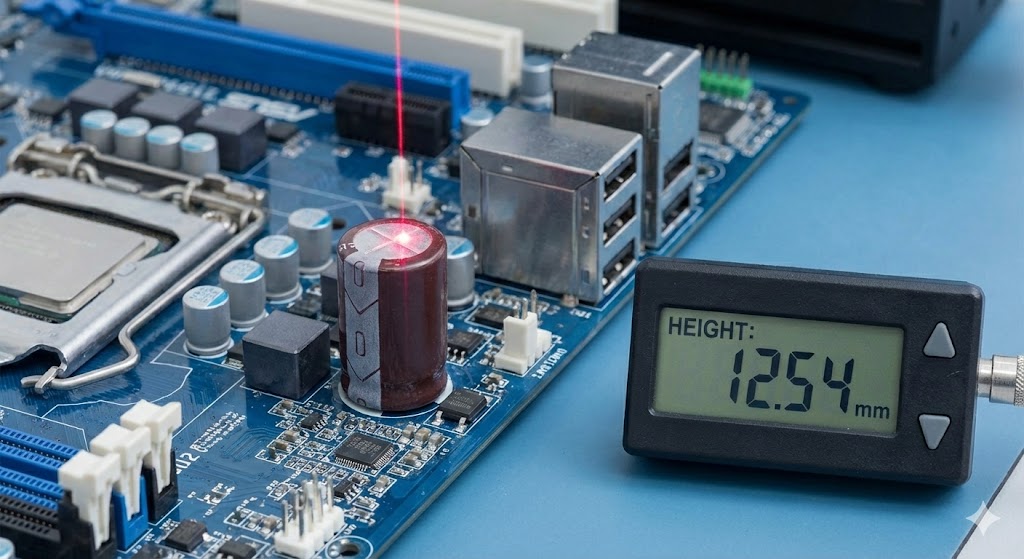
If blockage persists, evaluate environmental factors. Excessive ambient light, vibrations, or temperature fluctuations might mimic blockage symptoms. In such cases, relocating the sensor or using models with robust housings (e.g., IP67-rated for dust and water resistance) can improve reliability. For critical applications, redundant sensor setups or switching to alternative technologies like ultrasonic sensors may be warranted.
Proactive measures are key to preventing laser sensor blockage. Implement environmental controls such as enclosures, filters, or exhaust systems to minimize airborne particles. Train personnel on proper handling and maintenance procedures. Select sensors designed for specific conditions—for instance, sensors with higher power outputs or specialized coatings can penetrate light contamination. Regularly update system software to leverage advanced diagnostics features.
In summary, laser sensor blockage is a manageable issue with systematic approaches. Through diligent inspection, cleaning, environmental adaptation, and preventive strategies, industries can sustain optimal sensor performance, ensuring continuous and accurate automation processes.
