Infrared laser sensors are critical components in modern industrial automation, robotics, and safety systems. As an electrical engineer, understanding the availability, specifications, and immediate deployment of these sensors is paramount for project timelines and system reliability. This article provides a comprehensive overview of infrared laser sensor technology, current market availability, and key considerations for procurement and integration.
Infrared laser sensors operate by emitting a focused beam of infrared light and detecting its reflection. The time-of-flight (ToF), phase-shift, or triangulation methods are commonly used to measure distance, presence, or displacement with high precision. Unlike standard photoelectric sensors, laser-based variants offer superior accuracy, often down to micrometer levels, and can maintain performance over longer ranges and in challenging environmental conditions. Common wavelengths include 850nm and 905nm, which balance performance, eye safety regulations, and component cost.
The current market for infrared laser sensors is robust, with numerous suppliers offering a wide range of "off-the-shelf" or "in-stock" components. This immediate availability is crucial for prototyping, maintenance, and urgent production line upgrades. Major manufacturers and distributors typically list real-time stock levels online, allowing engineers to verify part numbers, specifications, and delivery timelines instantly. Common in-stock categories include:
- Distance Measurement Sensors: Used in AGVs (Automated Guided Vehicles), level monitoring, and dimensioning systems.
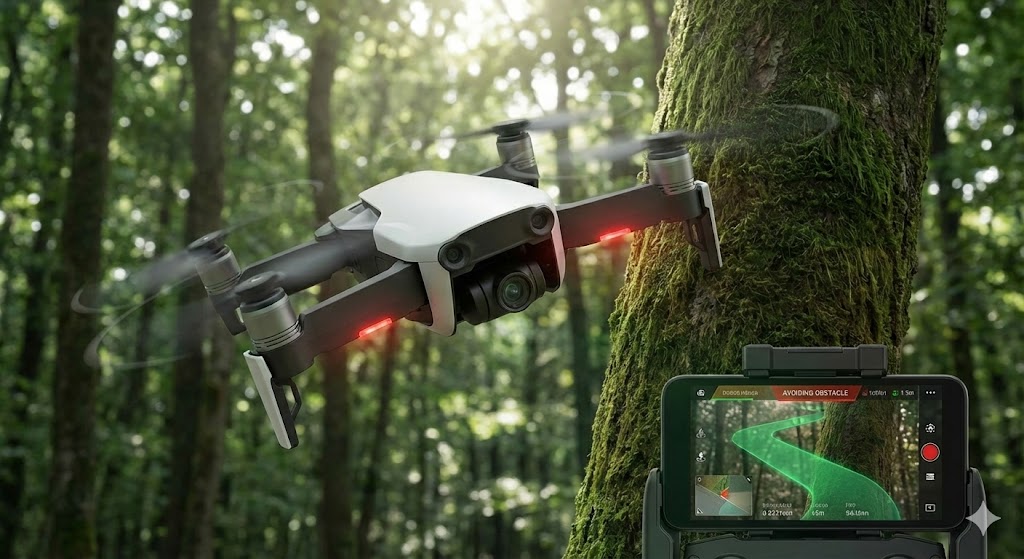
- Presence Detection Sensors: Employed in object counting, jam detection, and safety light curtains.
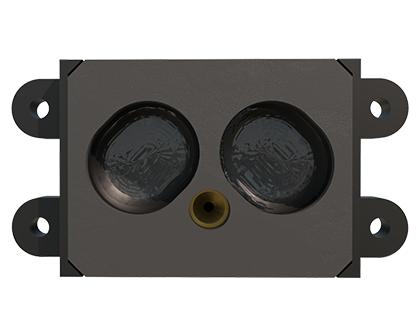
- Displacement Sensors: Critical for vibration analysis, thickness measurement, and precision alignment in manufacturing.
When selecting an infrared laser sensor from available stock, engineers must scrutinize several technical parameters beyond just basic functionality. Key specifications include measurement range, repeatability, linearity, response time, and output interface (e.g., analog voltage/current, digital IO, RS-485, or Ethernet/IP). Environmental ratings, particularly Ingress Protection (IP) codes for dust and water resistance, and operating temperature ranges are non-negotiable for industrial applications. Furthermore, compliance with international safety standards like IEC 60825-1 for laser product safety is mandatory.
Integration of these sensors requires careful electrical and mechanical planning. Power supply requirements (typically 12-24V DC), wiring configurations (PNP vs. NPN), and mounting considerations must align with the existing control system. Many modern sensors come with programmable features via software tools, allowing for parameter adjustment like sensing window, output delay, and teach-in functions. Leveraging these features can optimize performance for specific tasks without hardware modification.
The advantage of sourcing sensors from stock lies not only in speed but also in cost-effectiveness for small to medium batch requirements. It eliminates long lead times associated with custom orders. However, engineers should be aware of potential trade-offs. An in-stock model might be a general-purpose version. For extreme conditions—such as very high ambient light, highly reflective surfaces, or requirements for Class 1 laser safety—a specialized, possibly custom, sensor might be necessary, which would not be available for immediate shipment.
In conclusion, the widespread availability of infrared laser sensors as stock items empowers electrical engineers to rapidly deploy advanced sensing solutions. By thoroughly understanding the technology, meticulously checking specifications against application needs, and utilizing distributor inventory systems, engineers can ensure reliable integration, keeping projects on schedule and within budget. The market's readiness to supply these components reflects their fundamental role in driving innovation and efficiency across the electrical and automation industries.