Proximity sensors are indispensable components in modern industrial automation, providing non-contact detection of objects within their sensing range. These devices are crucial for enhancing operational efficiency, ensuring safety, and enabling precise control in various applications, from assembly lines to robotic systems. This article explores the detection principles and control methods of proximity sensors, focusing on their implementation and optimization in industrial settings.
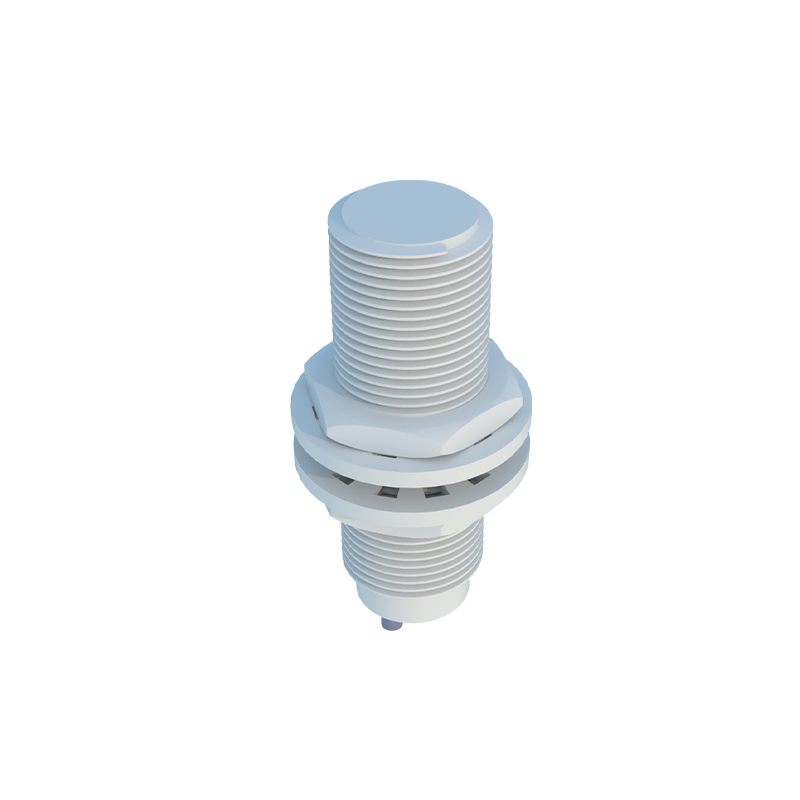
Proximity sensors operate based on different physical principles, primarily categorized into inductive, capacitive, and photoelectric types. Inductive sensors detect metallic objects by generating an electromagnetic field. When a metal target enters this field, it induces eddy currents, causing a change in the sensor's oscillation amplitude. This change triggers an output signal, typically a switch or analog value, which can be used for control purposes. These sensors are ideal for harsh environments due to their robustness and immunity to non-metallic interference. Capacitive sensors, on the other hand, detect both metallic and non-metallic materials by measuring changes in capacitance. They generate an electrostatic field and respond to the dielectric constant of the target object. This makes them suitable for applications involving liquids, plastics, or granular materials. Photoelectric sensors use light beams, usually infrared or laser, to detect objects. They can operate in through-beam, retro-reflective, or diffuse modes, offering long-range detection and high precision. Each type has distinct advantages, and selection depends on factors like target material, environmental conditions, and required sensing distance.
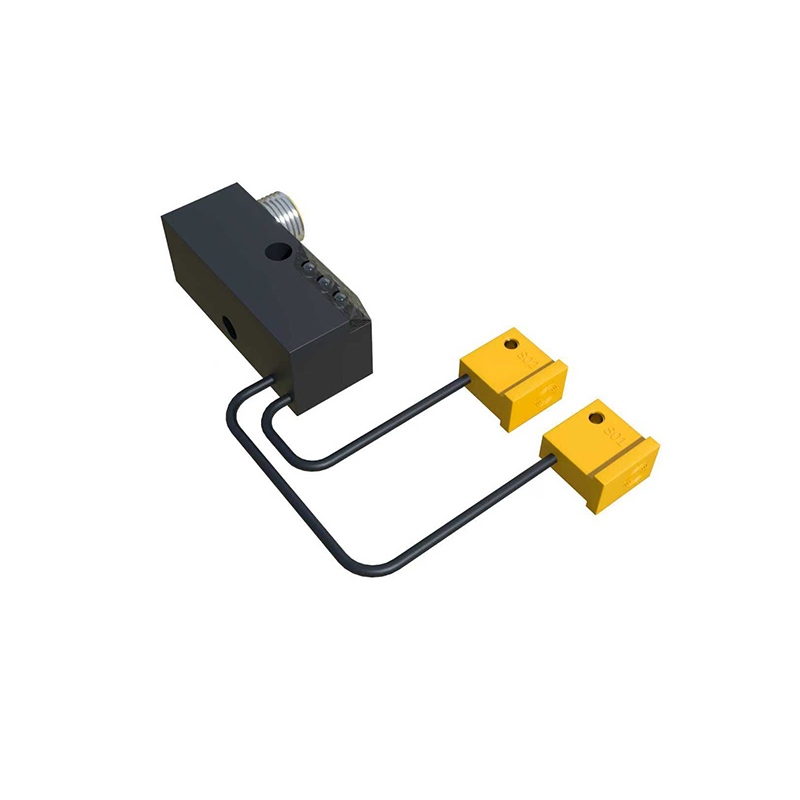
Detection control methods for proximity sensors involve integrating their output signals into control systems to automate processes. The most common approach is using programmable logic controllers (PLCs) or microcontrollers to process sensor data. When a sensor detects an object, it sends a digital or analog signal to the controller, which then executes predefined logic, such as activating a motor, stopping a conveyor, or triggering an alarm. For instance, in a packaging line, inductive sensors can detect metal cans on a conveyor belt. Upon detection, the PLC might initiate a filling mechanism or count the items for inventory management. Advanced control methods include using analog sensors for continuous monitoring, where the output varies proportionally with distance. This allows for precise positioning or level control, such as in robotic arms or tank filling systems. Additionally, sensors can be networked via industrial protocols like IO-Link, PROFINET, or EtherNet/IP, enabling real-time data exchange and remote diagnostics. This connectivity supports predictive maintenance, where sensor performance trends are analyzed to prevent failures and reduce downtime.
Optimizing proximity sensor performance requires careful consideration of installation and calibration. Mounting distance, alignment, and environmental factors like temperature, humidity, or electromagnetic interference can affect accuracy. Shielding and filtering techniques are often employed to minimize false triggers. For example, in high-vibration areas, sensors with robust housings and stable output characteristics are preferred. Regular calibration and testing ensure consistent operation, especially in critical applications like automotive manufacturing or pharmaceutical production. Furthermore, integrating sensors with feedback loops enhances control reliability. In closed-loop systems, sensor data is continuously compared with setpoints, allowing for automatic adjustments. This is common in quality control, where sensors verify part dimensions or presence, rejecting defective items automatically.
Emerging trends in proximity sensor technology include the adoption of smart sensors with embedded intelligence. These devices feature self-diagnostic capabilities, adaptive sensing ranges, and wireless communication, reducing wiring complexity and improving flexibility. The integration with Internet of Things (IoT) platforms enables data analytics for optimizing entire production processes. For instance, in smart factories, proximity sensors contribute to real-time monitoring of machine health and energy consumption, supporting lean manufacturing goals.
In conclusion, proximity sensors play a vital role in industrial automation by enabling efficient and reliable detection control. Understanding their principles and implementing appropriate control methods is key to maximizing productivity and safety. As technology evolves, these sensors will continue to advance, offering greater precision and connectivity for the factories of the future. Engineers and technicians should stay updated on best practices and innovations to leverage their full potential in diverse applications.