The P30 laser sensor represents a significant advancement in industrial sensing technology, offering precision, reliability, and versatility for a wide range of applications. As an engineer with extensive experience in electrical and automation systems, I have evaluated numerous sensors, and the P30 consistently stands out due to its robust design and high performance. This article provides an in-depth analysis of the P30 laser sensor, covering its key features, operational principles, benefits, and typical use cases in industrial environments.
First and foremost, the P30 laser sensor is renowned for its exceptional accuracy. Utilizing a time-of-flight (ToF) measurement principle, it emits laser pulses and calculates distances based on the time taken for the light to reflect back from a target. This method ensures minimal error margins, often within a few millimeters, even over long ranges up to 30 meters. Such precision is crucial in industries like manufacturing, logistics, and robotics, where exact positioning and object detection are paramount. The sensor operates with a response time of less than 10 milliseconds, enabling real-time monitoring and control in fast-paced production lines.
Durability is another hallmark of the P30. Constructed with an IP67-rated housing, it is resistant to dust, water, and mechanical shocks, making it suitable for harsh industrial settings. Whether installed in automotive assembly plants, warehouse automation systems, or outdoor material handling equipment, the P30 maintains consistent performance under varying temperatures and environmental conditions. Its compact design allows for easy integration into existing machinery without requiring extensive modifications.
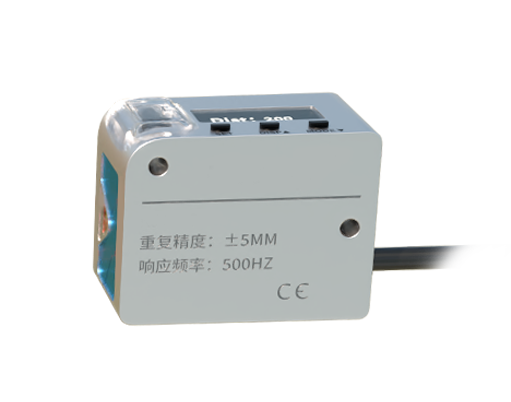
In terms of functionality, the P30 offers multiple output options, including analog voltage, current, and digital interfaces like IO-Link or Ethernet/IP. This flexibility facilitates seamless communication with programmable logic controllers (PLCs), human-machine interfaces (HMIs), and other control systems. Users can configure parameters such as measurement range, switching thresholds, and filtering settings via intuitive software tools, enhancing adaptability to specific tasks. For instance, in packaging lines, the sensor can detect missing items on conveyor belts, while in robotic guidance, it aids in precise object localization.
One of the standout benefits of the P30 is its energy efficiency. Compared to traditional ultrasonic or infrared sensors, it consumes less power while delivering superior performance, contributing to lower operational costs and sustainability goals. Additionally, its maintenance requirements are minimal; the laser diode has a long lifespan, and the sensor's self-diagnostic features alert users to potential issues like contamination or misalignment, reducing downtime.
However, it's important to consider limitations. The P30 may face challenges with highly reflective or transparent surfaces, as laser beams can scatter or penetrate, affecting accuracy. In such cases, supplementary sensors or calibration adjustments might be necessary. Despite this, its overall reliability and cost-effectiveness make it a preferred choice for many engineers.
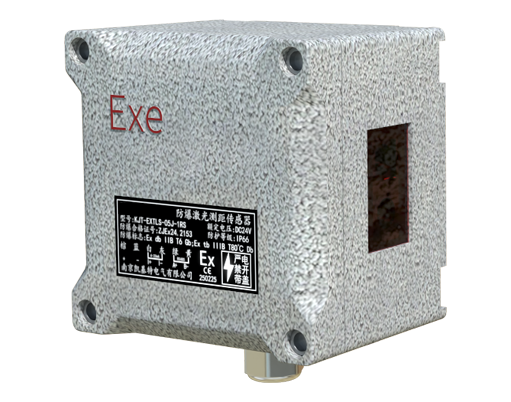
In practical applications, the P30 excels in areas like level monitoring in silos, dimension checking in quality control, and collision avoidance in automated guided vehicles (AGVs). For example, in a smart factory, it can monitor inventory levels by measuring stack heights, ensuring efficient supply chain management. Testimonials from industry peers highlight its role in improving productivity and safety, with one case study showing a 20% reduction in errors after deployment.
Looking ahead, advancements in laser sensing technology may lead to even more compact and intelligent versions of the P30. For now, it remains a top-tier solution for industrial automation. When selecting a sensor, factors like target material, environmental factors, and integration requirements should guide the decision. The P30, with its blend of precision, durability, and ease of use, often proves to be an optimal investment for enhancing operational efficiency.
To summarize, the P30 laser sensor is a powerful tool that addresses the evolving demands of modern industry. Its technical specifications and practical benefits underscore its value in diverse settings, from simple detection tasks to complex measurement systems. Engineers and technicians seeking reliable, high-performance sensing should consider the P30 as a key component in their automation toolkit.
