In the intricate dance of modern automation and smart systems, a critical player often operates unseen, making split-second decisions that ensure safety, precision, and efficiency. This player is the vision proximity sensor, a sophisticated device that merges the principles of imaging and proximity detection to perceive and interpret its surroundings. Unlike simple infrared or ultrasonic sensors that provide a basic distance measurement, vision proximity sensors offer a rich, contextual understanding of the environment, making them indispensable in a wide array of applications from industrial robotics to consumer electronics.
At its core, a vision proximity sensor is a compact system that typically includes a light source (often an LED or laser), a camera or photodiode array, and a processing unit. It works by projecting a pattern of light—usually infrared to be invisible to the human eye—onto a target object. The camera then captures the reflection or distortion of this pattern. Advanced algorithms analyze this captured image in real-time to calculate not only the presence and distance of an object but often its size, shape, orientation, and even surface characteristics. This method, frequently based on triangulation or time-of-flight principles, provides a depth map of the scene, granting the sensor a form of rudimentary sight.
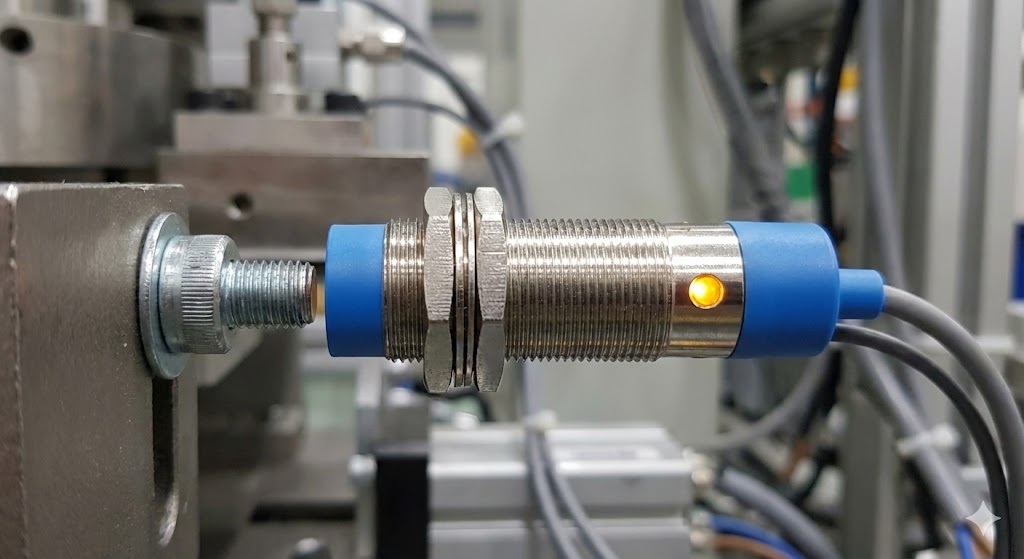
The advantages of this technology are profound. First and foremost is enhanced safety. In collaborative robotics, where humans and robots work side-by-side, vision proximity sensors can create dynamic safety zones. They can detect the approach of a worker's hand and instantly slow down or stop a robotic arm, preventing accidents with a level of responsiveness that physical barriers or simpler sensors cannot match. Furthermore, their precision is unparalleled in quality control tasks. On a high-speed assembly line, a vision sensor can verify the correct placement of microscopic components on a circuit board or measure the sub-millimeter gap between parts, rejecting any item that falls outside strict tolerances.
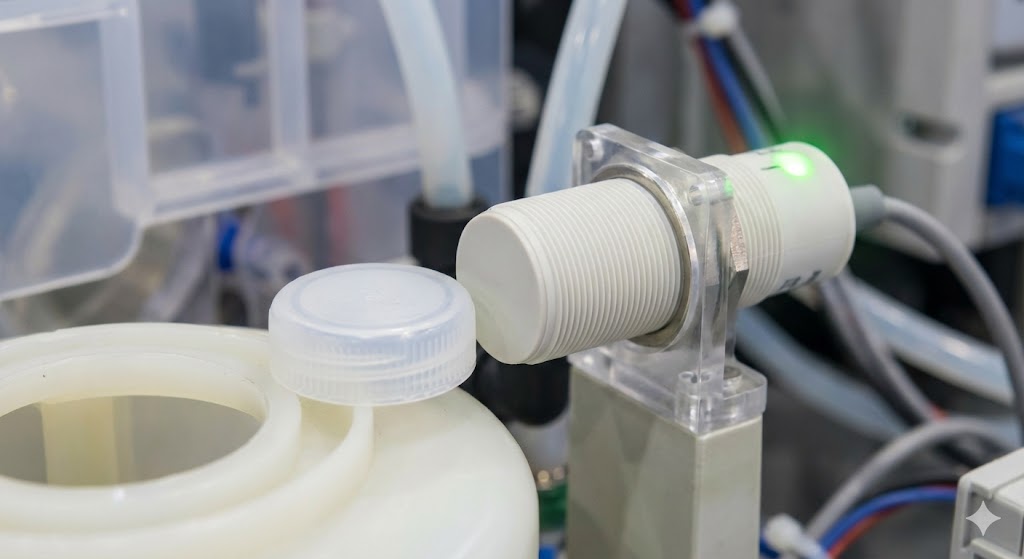
Beyond the factory floor, the integration of vision proximity sensors is revolutionizing everyday devices. In smartphones and tablets, these sensors enable features like automatic screen dimming during a call by detecting the proximity of your ear, conserving battery life. More advanced implementations allow for gesture control, where a simple wave of the hand can scroll through a page or silence an alarm, providing a touchless interface that is both hygienic and convenient. The automotive industry heavily relies on them for parking assistance systems, where they provide accurate distance readings to nearby obstacles, and are a foundational component for developing advanced driver-assistance systems (ADAS) and autonomous vehicle navigation.
However, deploying vision proximity sensing is not without its challenges. Environmental factors such as ambient light, particularly direct sunlight, can interfere with the projected light pattern, causing inaccurate readings. Highly reflective or absorbent surfaces can also pose problems, scattering or soaking up the sensor's light signal. Manufacturers address these issues through sophisticated filtering techniques, adaptive lighting control, and complex algorithmic compensation. Additionally, the computational power required for real-time image processing demands efficient, often specialized, hardware to keep systems responsive and cost-effective.
The future trajectory of vision proximity sensing points toward greater miniaturization, intelligence, and integration. The development of solid-state LiDAR (Light Detection and Ranging) and advanced 3D time-of-flight cameras is making these sensors smaller, more robust, and less expensive. When coupled with artificial intelligence and machine learning, future sensors will not only see objects but will be able to classify them—distinguishing between a person, a tool, and a piece of packaging, and predicting intent or potential hazards. This evolution will further blur the line between sensing and perception, enabling machines to interact with the world in increasingly natural and sophisticated ways.
In conclusion, vision proximity sensors represent a significant leap beyond traditional detection methods. By providing a detailed, dimensional awareness of the immediate environment, they form the essential visual cortex for automated systems. As technology continues to advance, these "eyes" of automation will become sharper, smarter, and more ubiquitous, quietly driving innovation and safety across countless industries and seamlessly integrating into the fabric of our daily lives, from the manufacturing plants that build our goods to the personal devices we hold in our hands.