In the industrial automation and electrical engineering sectors, proximity sensors are critical components for detecting the presence or absence of objects without physical contact. However, the market is flooded with counterfeit products that compromise system reliability and safety. Distinguishing genuine proximity sensors from fake ones requires a keen eye for detail and technical knowledge. This article provides a comprehensive guide to identifying authentic proximity sensors, covering key aspects such as physical inspection, performance testing, and documentation verification.
First, examine the physical build and labeling. Genuine proximity sensors typically feature high-quality materials, precise molding, and clean finishes. Check for inconsistencies in the housing, such as rough edges, uneven coloring, or misaligned parts. Authentic sensors often have clear, laser-etched logos and part numbers that are resistant to wear. Counterfeit versions may display blurred printing, spelling errors, or incorrect font styles on labels. Additionally, verify the weight—original sensors usually have a solid feel due to robust internal components, while fakes might feel lighter or flimsier.
Next, assess the electrical and performance characteristics. Use a multimeter or oscilloscope to test the sensor’s output signals under specified conditions. Genuine sensors adhere to standardized voltage, current, and response time ratings, as documented in datasheets. Counterfeit units may show deviations, such as unstable output, shorter sensing ranges, or excessive heat generation during operation. For inductive or capacitive proximity sensors, test detection consistency with different target materials; fake sensors often lack the precision and repeatability of authentic ones.
Pay attention to packaging and documentation. Legitimate manufacturers provide detailed datasheets, compliance certificates (e.g., CE, UL), and warranty information in professional packaging. Counterfeit products might come in generic boxes with poor-quality manuals or missing certifications. Scan QR codes or serial numbers on the sensor to verify authenticity through the manufacturer’s official website—many brands offer online validation tools.
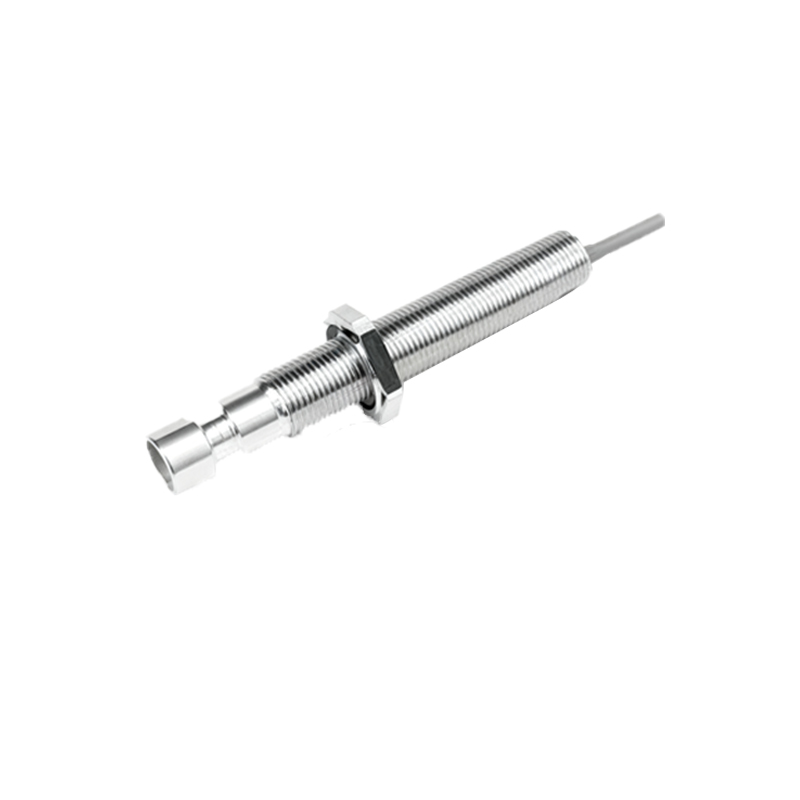
Consider the supplier’s reputation and pricing. Authorized distributors and reputable industrial suppliers are less likely to stock counterfeit items. Be wary of deals that seem too good to be true, as extremely low prices often indicate substandard or fake products. Request samples for testing before bulk purchases, and compare them with known genuine sensors from trusted sources.
Finally, evaluate long-term reliability. Genuine proximity sensors are designed for durability in harsh environments, with resistance to moisture, vibration, and temperature extremes. Counterfeit sensors may fail prematurely or cause system malfunctions, leading to costly downtime. Implement regular maintenance checks and monitor sensor performance over time to spot inconsistencies early.
In summary, distinguishing real proximity sensors from counterfeits involves a multi-step approach: inspect physical attributes, test electrical performance, verify documentation, and source from credible suppliers. By prioritizing quality and authenticity, engineers can ensure the safety and efficiency of automated systems, reducing risks associated with counterfeit components. Always stay updated on industry standards and manufacturer guidelines to make informed decisions.