In the realm of industrial automation and control systems, proximity sensors are indispensable components for non-contact detection of objects. Among the various materials used in their construction, ceramic stands out as a particularly robust and reliable choice. Ceramic proximity sensors, often utilizing technologies like capacitive or inductive sensing principles with ceramic faces, offer a unique set of characteristics that make them suitable for demanding environments. This article delves into the key features and advantages of ceramic in proximity sensor design.
One of the most prominent characteristics of ceramic proximity sensors is their exceptional durability and resistance to wear. The ceramic sensing face is extremely hard, often rivaling the hardness of industrial diamonds on certain scales. This property makes it highly resistant to abrasion, scratching, and mechanical impact. In applications involving constant contact with metal chips, abrasive powders, or rough surfaces, ceramic sensors maintain their integrity and sensing accuracy far longer than sensors with plastic or standard metal faces. This translates directly to reduced maintenance costs, fewer sensor replacements, and increased machine uptime.
Chemical and corrosion resistance is another defining feature. High-quality technical ceramics, such as alumina (Al2O3) or zirconia (ZrO2), are inherently inert. They demonstrate outstanding resistance to a wide spectrum of aggressive chemicals, including strong acids, alkalis, solvents, and salts. This makes ceramic proximity sensors ideal for use in harsh industrial settings like chemical processing plants, plating lines, food and beverage production (where cleaning agents are used), and marine environments. The ceramic face will not rust, corrode, or degrade when exposed to these substances, ensuring consistent performance and longevity.
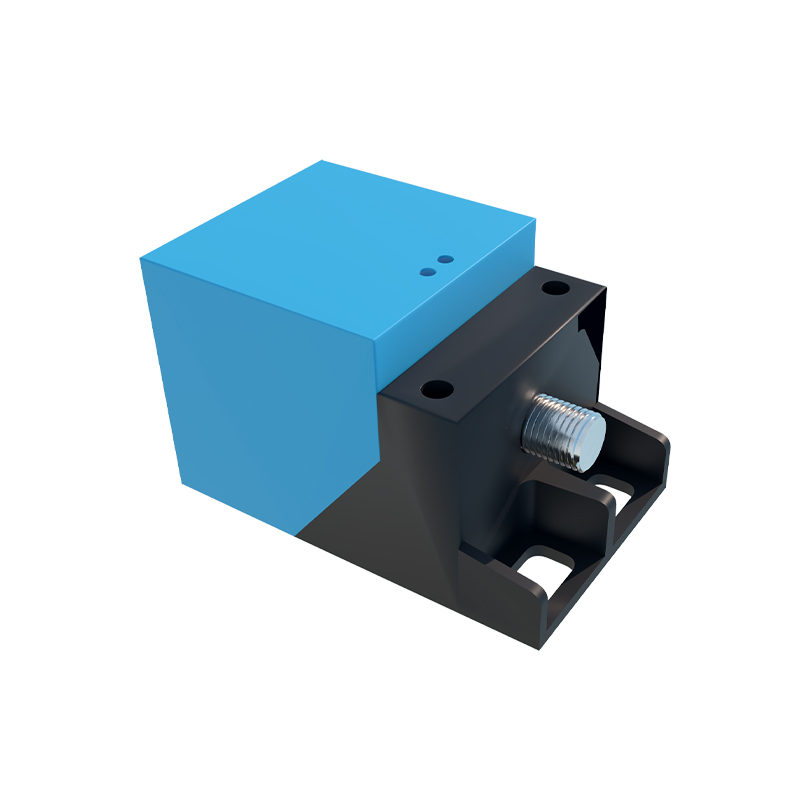
The thermal stability of ceramic materials is a critical advantage. Ceramics can operate effectively across a very wide temperature range. They maintain their structural integrity and electrical insulation properties at both high and low extremes where other materials might fail, soften, or become brittle. This allows ceramic proximity sensors to function reliably in applications near furnaces, foundries, welding operations, or in cold storage facilities. Their low thermal expansion coefficient also means minimal dimensional change with temperature fluctuations, contributing to stable sensing distances.
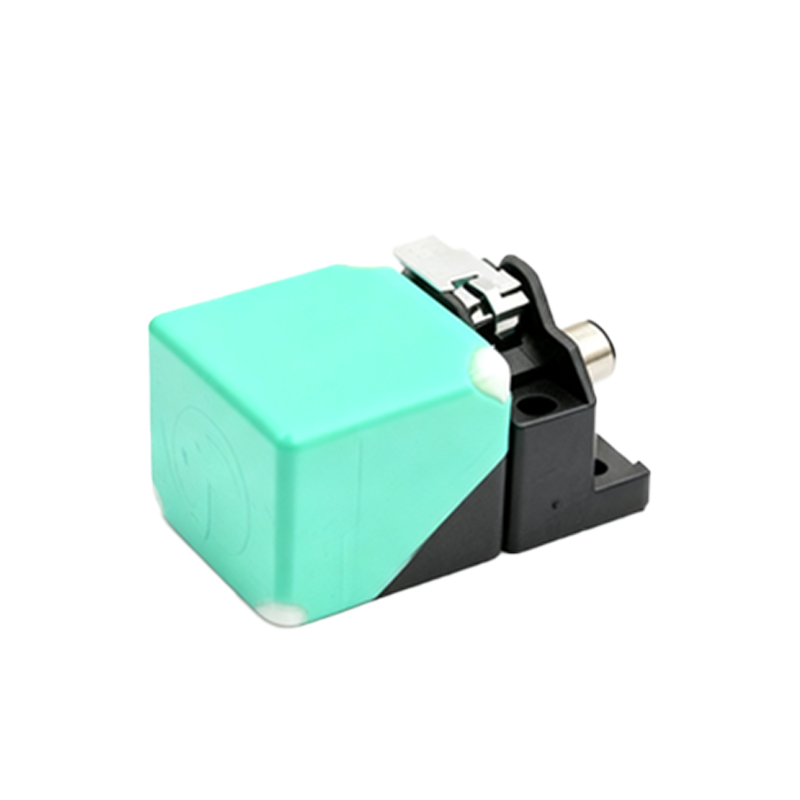
From an electrical and functional perspective, ceramics are excellent electrical insulators. This is crucial for capacitive proximity sensors, where the dielectric properties of the sensing face directly influence performance. The consistent and stable dielectric constant of ceramic ensures accurate and repeatable detection, especially for non-metallic targets like liquids, plastics, or wood. For inductive sensors, the ceramic casing protects the internal coil from external electrical interference and short circuits, enhancing overall system reliability. Furthermore, the smooth, non-porous surface of ceramic is easy to clean and prevents the buildup of contaminants that could interfere with sensing, which is a vital requirement in sanitary applications like pharmaceutical or food packaging.
While offering numerous benefits, it is important to consider the specific design and application. Ceramic sensors can be more brittle than their all-metal counterparts under extreme point impact, though modern designs often incorporate reinforced housing. The initial cost may be higher than standard sensors, but the total cost of ownership is frequently lower due to their extended service life in harsh conditions. They are typically available in smaller sensing distances compared to some large-range inductive sensors, but are perfect for precise, short-range detection tasks.
In conclusion, ceramic proximity sensors deliver a powerful combination of hardness, chemical inertness, thermal resilience, and electrical insulation. These characteristics make them not just an alternative, but often the optimal choice for challenging industrial applications where longevity, reliability, and minimal maintenance are paramount. When selecting a sensor for environments plagued by abrasion, corrosion, extreme temperatures, or stringent hygiene requirements, specifying a ceramic-bodied or ceramic-faced proximity sensor is a strategic decision that enhances system robustness and operational efficiency.