In the realm of industrial automation and control systems, proximity switch sensors stand as fundamental components for non-contact object detection. Among the various sizes available, the 8mm proximity sensor has carved out a significant niche due to its optimal balance between compact design and reliable performance. This article delves into the technical specifications, operational principles, selection criteria, and typical applications of 8mm proximity switches, providing a detailed guide for engineers and procurement specialists.
Proximity sensors, in essence, are devices that detect the presence or absence of an object without physical contact. They achieve this by emitting an electromagnetic field or a beam of electromagnetic radiation (like infrared light) and then monitoring for changes in the field or return signal. The 8mm designation primarily refers to the sensor's barrel diameter, a critical dimension influencing its installation and sensing range. Typically, an 8mm inductive proximity sensor offers a nominal sensing distance (Sn) ranging from 1.5mm to 2mm for standard metallic targets. This compact form factor allows for installation in space-constrained environments where larger sensors would be impractical.
The core technology behind most 8mm industrial proximity switches is inductive sensing. These sensors generate a high-frequency oscillating electromagnetic field from their active face. When a conductive metal object (such as steel, aluminum, brass, or copper) enters this field, eddy currents are induced on the object's surface. This causes a load on the oscillator within the sensor, leading to a change in the oscillation amplitude. The sensor's internal circuitry detects this change and triggers a solid-state output switch. Key performance characteristics include:
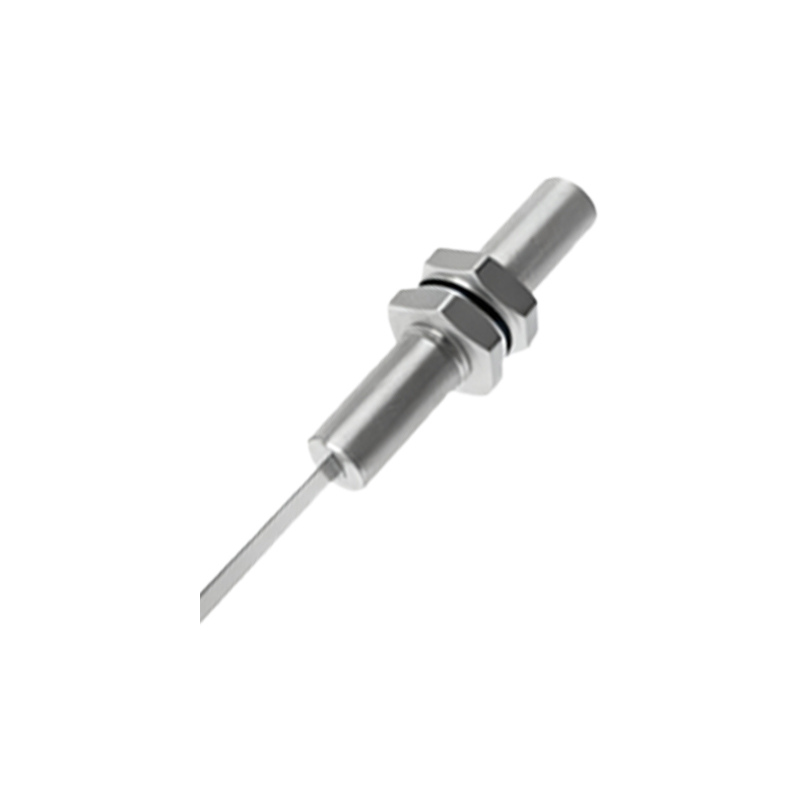
Sensing Range: As mentioned, the rated operating distance is typically up to 2mm. It is crucial to consider factors like target material, size, and temperature, which can affect the effective range.
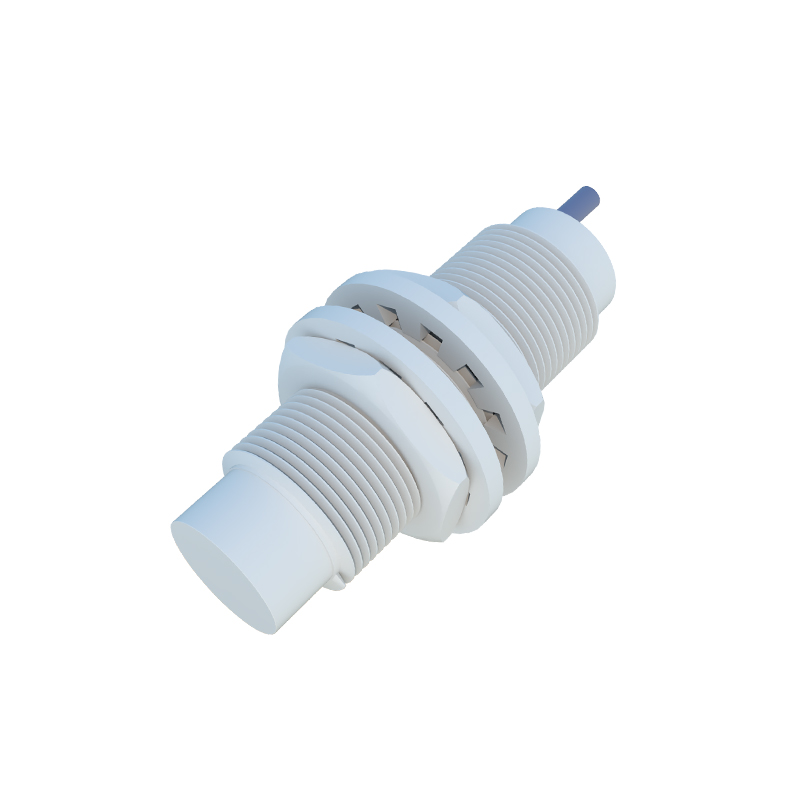
Output Configuration: Common outputs include NPN (sinking) and PNP (sourcing) transistor configurations, as well as Normally Open (NO) or Normally Closed (NC) logic. The choice depends on the PLC or control system interface.
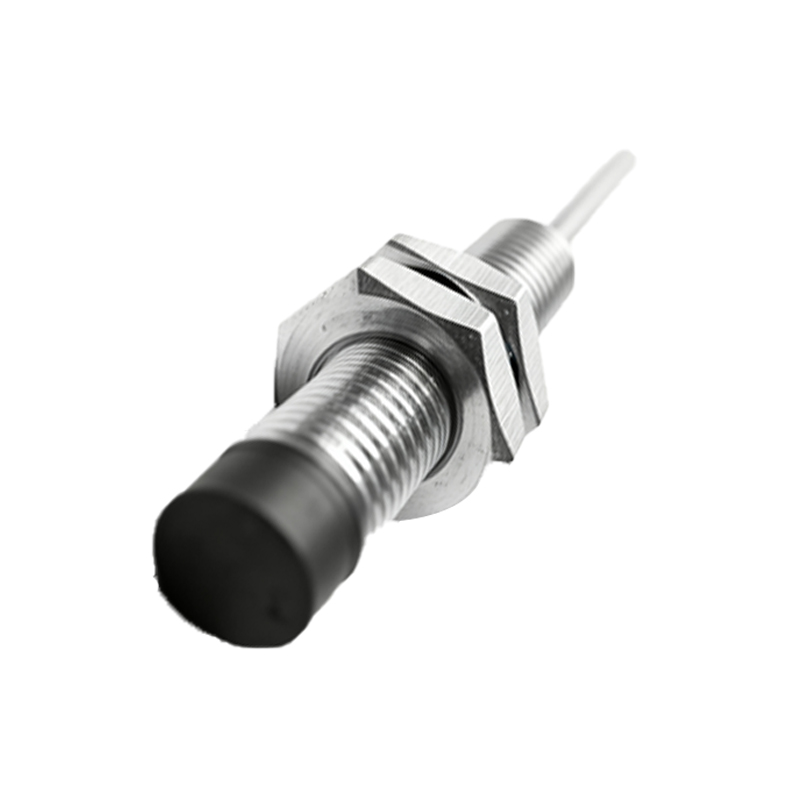
Housing Material: Stainless steel (often V2A or V4A grades) or nickel-plated brass housings are standard, providing robustness and resistance to coolants, oils, and mild chemicals.
Electrical Connection: Options include pre-wired cables (e.g., 2-meter PVC or PUR) or quick-disconnect (QD) connectors (like M8 or M12 connectors), facilitating easy installation and maintenance.
Switching Frequency: This denotes how many on/off cycles the sensor can handle per second. High-speed 8mm models can achieve frequencies up to several kHz, suitable for counting or high-speed production lines.
Protection Rating: Most industrial-grade models feature an IP67 or IP68 rating, making them dust-tight and capable of withstanding temporary or prolonged immersion in water, essential for harsh washdown environments.
Selecting the right 8mm proximity sensor requires a careful analysis of the application parameters. Engineers must define the target material (ferrous vs. non-ferrous metals behave differently), the required sensing distance (always derate from the nominal Sn for reliability), the ambient temperature, the electrical requirements (voltage, current, output type), and the environmental conditions (presence of chips, coolants, or vibrations). For instance, in a CNC machine tool, an 8mm inductive sensor might be used for tool position verification or part presence detection on an auto-feeder. In packaging machinery, it could detect the presence of metallic caps or foil seals.
Installation is another critical aspect. Proper mounting involves ensuring adequate clearance around the sensor barrel to prevent interference from surrounding metal (flush-mountable or non-flush-mountable designs address this). Correct alignment with the target and maintaining a stable power supply within the sensor's specified voltage range (commonly 10-30V DC) are vital for stable operation. Regular maintenance, though minimal, involves checking for physical damage, buildup of debris on the sensing face, and verifying signal integrity.
In comparison to larger-diameter sensors, the 8mm variant sacrifices some sensing distance for a smaller footprint. Compared to capacitive or photoelectric sensors, inductive 8mm switches offer unparalleled reliability for metal detection, immune to factors like color, transparency, or dust that affect other technologies. However, they are inherently unsuitable for detecting non-metallic objects.
In conclusion, the 8mm proximity switch sensor is a versatile and indispensable component in modern industrial automation. Its compact size, robust construction, and reliable inductive sensing principle make it ideal for a myriad of applications involving metallic object detection in tight spaces. A thorough understanding of its specifications and careful application-specific selection are paramount to ensuring optimal performance, enhancing machine efficiency, and minimizing