M30 proximity sensors are a cornerstone of modern industrial automation, offering reliable non-contact detection for a wide range of applications. As a seasoned electrical engineer, I've witnessed their evolution and consistent performance in demanding environments. This cylindrical sensor, defined by its 30mm threaded housing, is a workhorse in factories worldwide.
The fundamental principle behind an inductive M30 proximity sensor is electromagnetic induction. The sensor generates an oscillating electromagnetic field from its face. When a metallic target enters this field, eddy currents are induced within the target, causing a change in the oscillation amplitude. This change is detected by the sensor's circuitry, which then switches the output state. This non-contact operation eliminates mechanical wear, ensuring a long operational life—often millions of cycles—far surpassing mechanical limit switches.
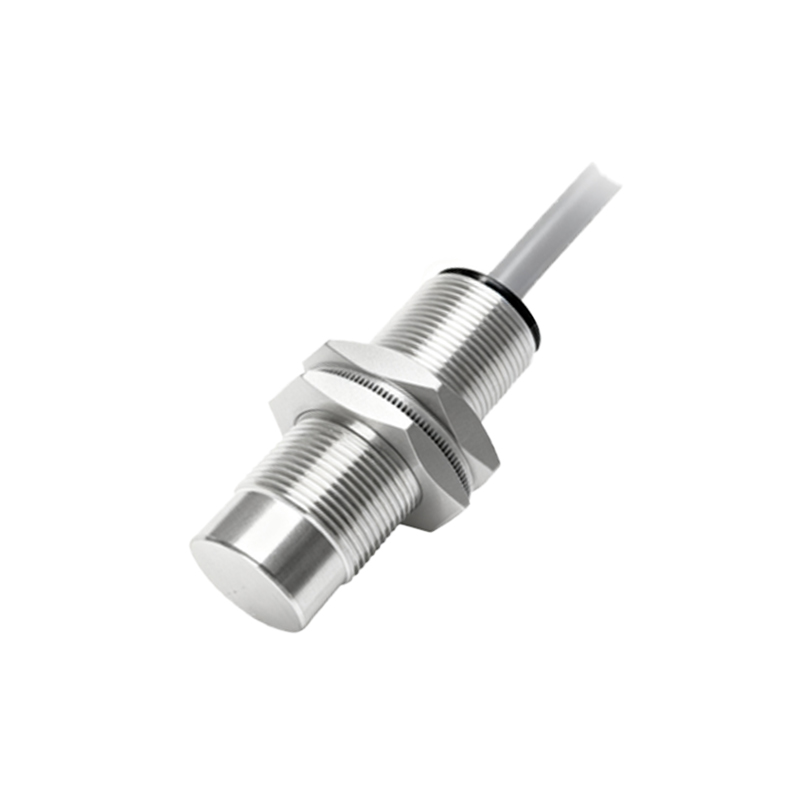
Key specifications define an M30 sensor's suitability. The sensing distance, or nominal range, is critical. For a standard M30 inductive sensor, this is typically 10mm, 15mm, or 20mm, depending on the model and target material (steel, aluminum, brass). It's vital to note that the effective sensing distance can be reduced for non-ferrous metals. The housing material, usually nickel-plated brass or stainless steel, provides robustness against physical impact and harsh coolants. Protection ratings are equally important; most industrial-grade M30 sensors boast an IP67 or IP68 rating, making them dust-tight and capable of withstanding temporary or prolonged immersion in water, essential for washdown areas in food and beverage or chemical plants.
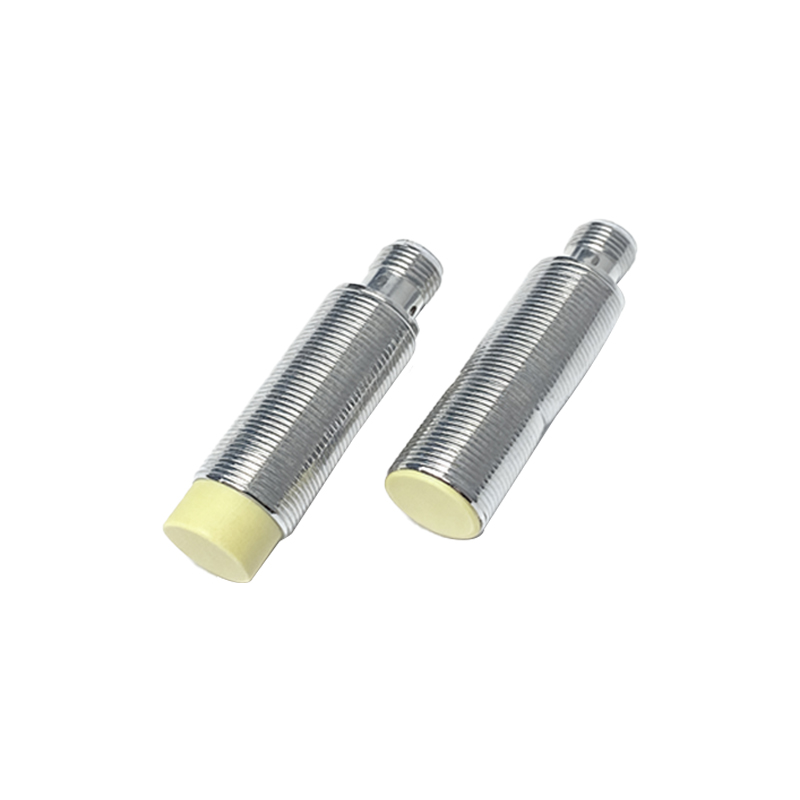
Output configuration is another decisive factor. Sensors come with PNP (sourcing) or NPN (sinking) transistor outputs, interfacing differently with PLCs (Programmable Logic Controllers) based on the control system's architecture. Some models offer analog (4-20mA or 0-10V) or IO-Link outputs for precise distance measurement and advanced diagnostics. The choice between normally open (NO) and normally closed (NC) contacts depends on the safety and logic requirements of the circuit.
Installation and wiring demand attention. The 30mm thread allows for easy mounting in a drilled and tapped hole or a standard mounting bracket. Proper alignment and maintaining the specified gap from the target are crucial for consistent operation. Engineers must ensure the sensor is not mounted flush against a metal surface (except for flush-mountable models), as this can cause false triggering. Wiring should follow the manufacturer's datasheet, connecting the brown wire (+V), blue wire (0V), and black wire (output signal) correctly to prevent damage. Shielding and proper grounding are recommended in environments with strong electromagnetic interference.
In practice, M30 sensors excel in countless scenarios. They are ubiquitous in material handling for detecting pallets on conveyors, in machine tools for monitoring tool position or part presence, in packaging lines for counting, and in robotic cells for end-effector positioning. Their durability makes them ideal for harsh environments like welding lines, where spatter-resistant models with PTFE coatings are used.
When selecting an M30 sensor, consider the target material, required sensing range, environmental conditions (temperature, chemicals), electrical requirements, and needed features like short-circuit protection or diagnostic LEDs. While cost is a factor, prioritizing quality and specifications from reputable manufacturers prevents downtime and ensures system integrity. Regular maintenance, though minimal, involves checking for physical damage, buildup of contaminants on the sensing face, and verifying electrical connections.
In conclusion, the M30 proximity sensor's standardized size, ruggedness, and versatility make it an indispensable component. Its ability to provide precise, wear-free detection translates directly into increased machine efficiency, reduced maintenance costs, and enhanced process reliability. Understanding its technology and application nuances is key for any engineer designing, maintaining, or optimizing automated industrial systems.