In the complex landscape of industrial automation, the reliable detection of objects is a fundamental requirement. Among the myriad of sensing technologies available, the 3-wire DC proximity sensor, particularly those operating at a nominal 30V DC, stands as a cornerstone for countless applications. This article delves into the operational principles, key specifications, wiring configurations, and practical considerations for integrating these robust and versatile sensors into modern systems.
At its core, a proximity sensor detects the presence or absence of a metallic object without physical contact. The "buried" or "flush-mountable" design is a critical feature. Unlike non-flush models, a flush-mountable sensor can be installed level with (or embedded within) a metal mounting surface without risk of mutual interference between adjacent sensors. This design is invaluable in space-constrained environments or where sensors must be protected from physical damage. The sensing face is shielded, allowing for side-by-side installation.
The "3-wire" designation refers to the electrical connection scheme. These sensors require three wires: one for power supply positive (typically brown), one for power supply negative or common (typically blue), and one for the output signal (typically black for NPN or black for PNP). The 30V DC rating indicates the standard operating voltage range, often spanning from 10V to 30V DC, providing compatibility with common industrial control voltages like 24V DC. This configuration offers a significant advantage over 2-wire sensors by providing a separate output wire, which results in lower voltage drop and more reliable switching, especially with lower-power loads like PLC inputs.
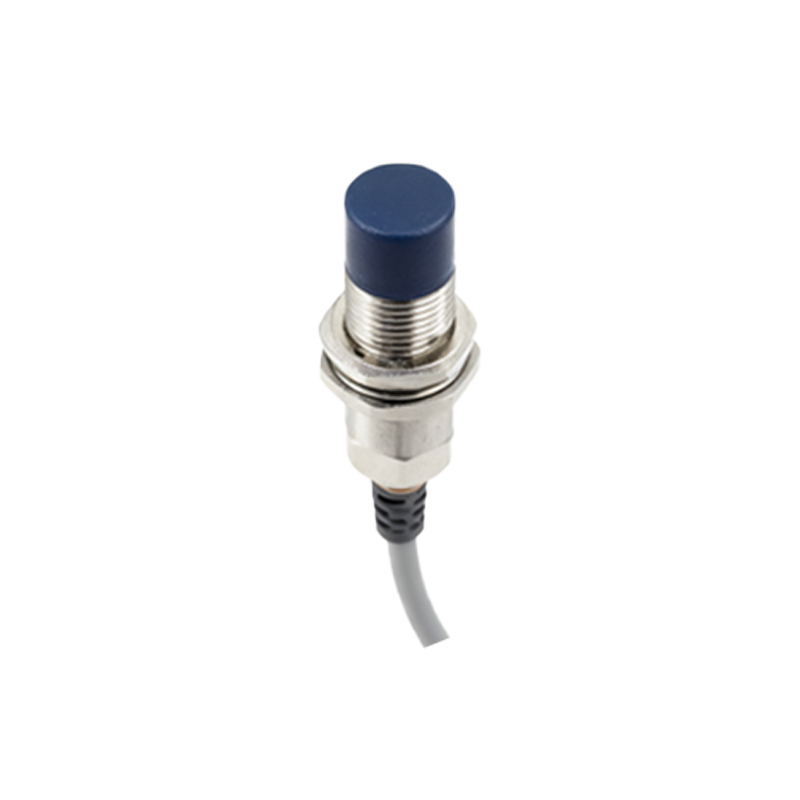
Output types are a crucial selection criterion. For 3-wire DC sensors, the output is either NPN (sinking) or PNP (sourcing). An NPN sensor switches the negative (common) line to the load; when active, it connects the load to 0V. Conversely, a PNP sensor switches the positive voltage line to the load. The choice between NPN and PNP is often dictated by the control system's input card requirements. It is a common industry practice in many regions, though not universal, to associate PNP with sourcing to a PLC and NPN with sinking.
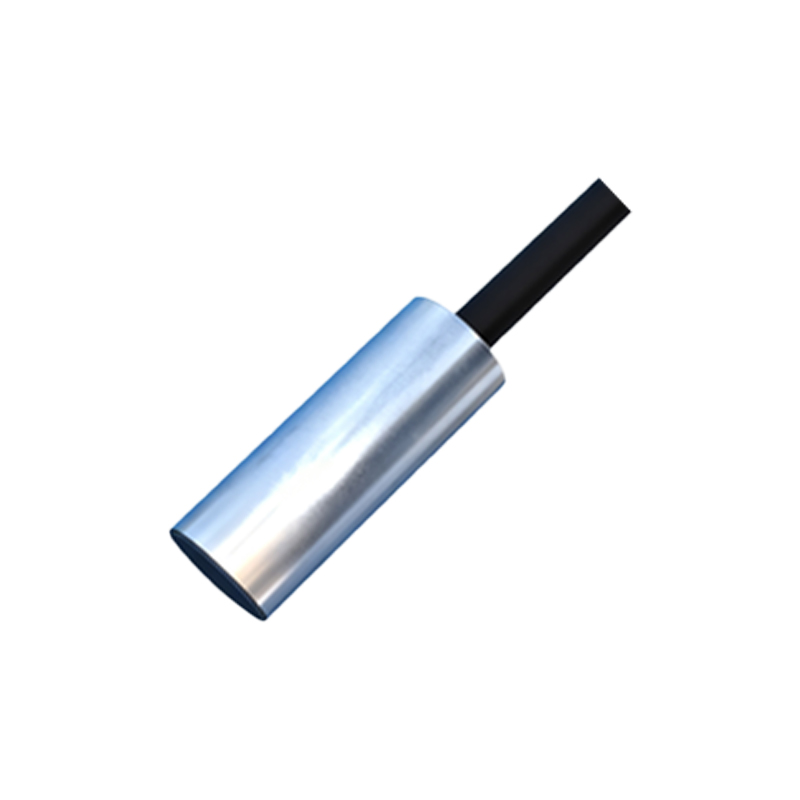
Key performance specifications for a 30V DC flush-mountable proximity sensor include sensing distance, repeat accuracy, response frequency, and housing material. The rated sensing distance, standardized for a mild steel target, is typically a few millimeters (e.g., 5mm, 8mm). It is vital to note that this distance is reduced for non-ferrous metals like aluminum or brass. The repeat accuracy, often in the micron range, defines the sensor's consistency. A high response frequency (up to several kHz) allows for detection of rapidly moving objects on production lines. Stainless steel or nickel-plated brass housings provide durability and resistance to harsh industrial environments containing coolants, oils, and metal chips.
Wiring and installation demand careful attention. Always consult the manufacturer's datasheet. For a standard 3-wire DC sensor: connect the brown wire to the positive DC supply (e.g., +24V), the blue wire to the supply common (0V), and the black output wire to the load (e.g., a PLC input terminal). The load is then connected to the opposite supply rail. For an NPN sensor, the load is connected to +V; for a PNP, the load is connected to 0V. Ensure the power supply is stable and within the sensor's operating range. Use shielded cable in electrically noisy environments and ground the shield appropriately at the control panel. When mounting flush sensors, ensure the surrounding mounting surface is flat and non-metallic for the specified non-interference zone to guarantee the advertised sensing range.
These sensors find ubiquitous application. They are used for part presence verification on assembly lines, end-of-travel detection on actuators and cylinders, rotary speed monitoring via gear teeth detection, and counting objects on conveyors. Their flush-mounting capability makes them ideal for robotic tool changers, machine tool turrets, and automated guided vehicles (AGVs) where protruding sensors would be vulnerable.
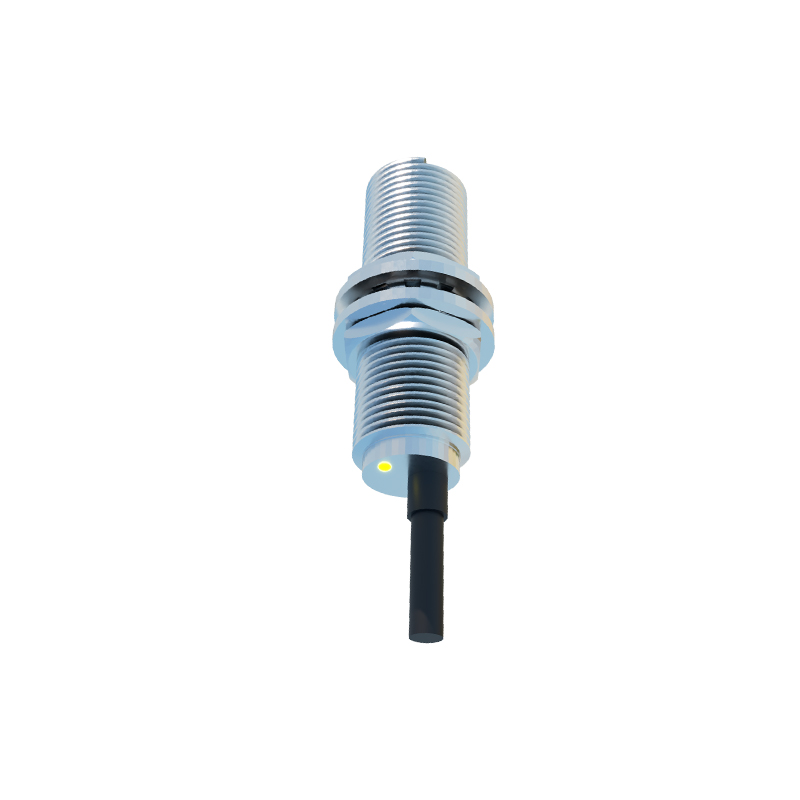
In summary, the 3-wire 30V DC flush-mountable proximity sensor is a paragon of reliability and flexibility in factory automation. Its simple yet robust design, clear wiring methodology, and protective housing make it an indispensable component. By understanding its operating principles, output configurations, and installation nuances, engineers and technicians can ensure optimal performance, enhancing the efficiency and reliability of their automated systems. Proper selection and integration mitigate downtime and contribute to a seamless, productive operation.