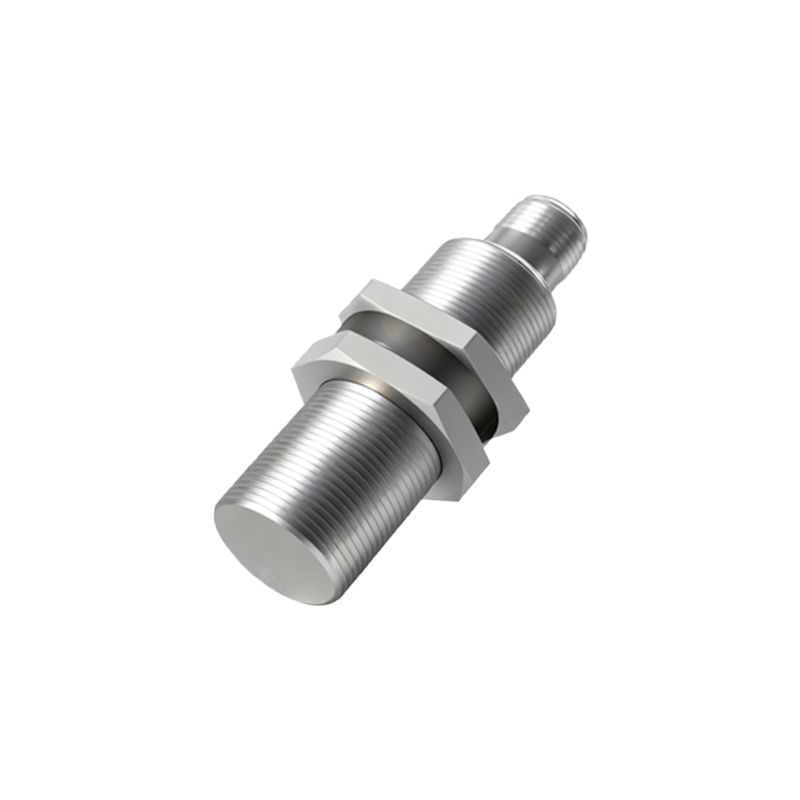
In industrial automation and control systems, proximity photoelectric sensors play a critical role in detecting the presence, absence, or position of objects without physical contact. These sensors operate by emitting a light beam—typically infrared, visible red, or laser—and analyzing the reflected or interrupted signal to determine object proximity. The output signals generated by these sensors are essential for interfacing with controllers, PLCs, and other automation components. Understanding the types of signals produced is key to selecting the right sensor for specific applications.
The primary signal types in proximity photoelectric sensors include digital signals, analog signals, and serial communication signals. Each type serves distinct purposes based on the requirements of detection precision, response speed, and system integration.
Digital signals are the most common output in proximity photoelectric sensors. They provide a simple on/off or high/low state, indicating whether an object is detected within the sensor’s range. Digital outputs are typically categorized into two subtypes: NPN (sinking) and PNP (sourcing) configurations. NPN outputs switch the negative voltage line, common in Asian and European markets, while PNP outputs switch the positive voltage line, often used in North America. These signals are ideal for basic presence detection, counting parts on a conveyor, or triggering alarms. For example, in packaging lines, a digital signal might activate a stopper when a product is detected. Digital signals offer fast response times, often in microseconds, and are compatible with most programmable logic controllers (PLCs).
Analog signals provide continuous output proportional to the detected distance or intensity of reflection. Unlike digital signals, analog outputs—such as 0-10V DC or 4-20mA—vary linearly with the target’s position. This allows for precise measurement applications, like monitoring fill levels in tanks or controlling robotic arm positioning. For instance, a sensor with a 4-20mA output might be used in liquid processing to gauge container fullness without direct contact. Analog signals enable finer control but may require additional calibration to mitigate environmental interference like ambient light or dust.
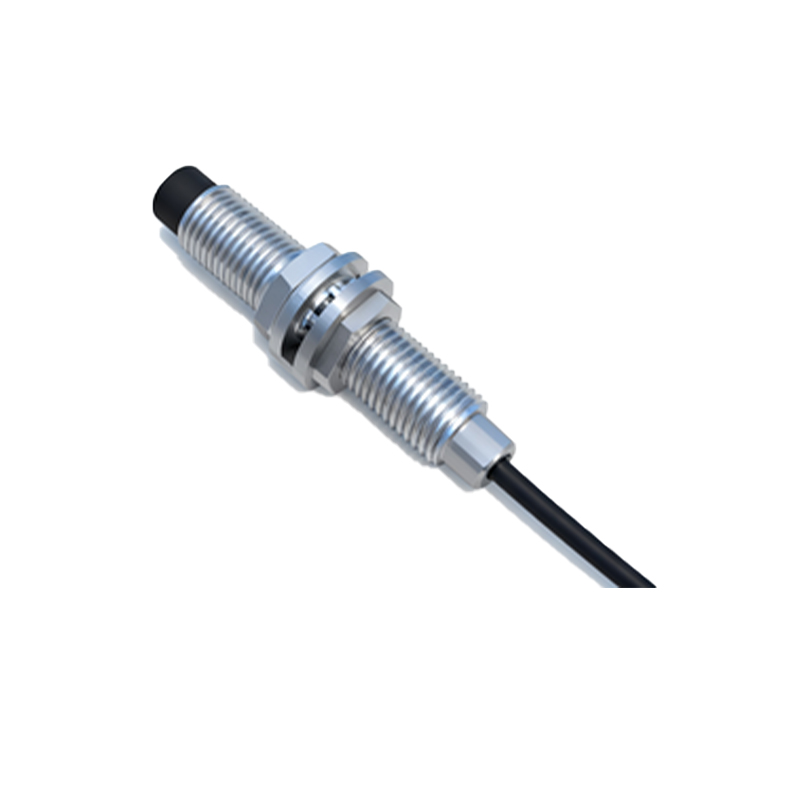
Serial communication signals involve protocols like IO-Link, which transmit digital data over a standard three-wire connection. These sensors not only send detection status but also exchange parameters, diagnostics, and process values with a master controller. IO-Link, for example, allows real-time adjustment of sensing ranges or output modes, facilitating predictive maintenance by reporting wear or contamination levels. This signal type is gaining traction in Industry 4.0 setups for smart factory integration, where sensors contribute to data-driven decision-making.
Choosing the right signal depends on application needs. Digital signals suit high-speed, binary tasks; analog signals fit precision measurement; and serial signals excel in networked, adaptive systems. Factors like operating voltage (e.g., 12-24V DC), environmental conditions (e.g., IP67 rated for dust/water resistance), and response frequency also influence selection. In automotive assembly, digital sensors might check part placement, while analog versions could align components, and IO-Link sensors monitor line efficiency.
In summary, proximity photoelectric sensors offer versatile signaling options to meet diverse industrial demands. By leveraging digital, analog, or serial outputs, engineers can enhance automation accuracy and connectivity. As technology evolves, trends like miniaturization and enhanced noise immunity continue to refine these signals, supporting more efficient and intelligent manufacturing environments.