In the realm of industrial automation and control systems, proximity sensors play a pivotal role in enabling efficient, reliable, and contactless detection of objects. Often referred to as proximity switches, these devices are fundamental components in machinery, automotive assembly lines, packaging systems, and robotics. But what exactly are these sensors called, and how do they function within complex electrical frameworks?
Proximity sensors are electronic devices designed to detect the presence or absence of an object within a specific range without any physical contact. They operate based on various principles, with the most common types being inductive, capacitive, ultrasonic, and photoelectric sensors. Each type serves distinct applications, tailored to the material, environment, and precision requirements of the task.
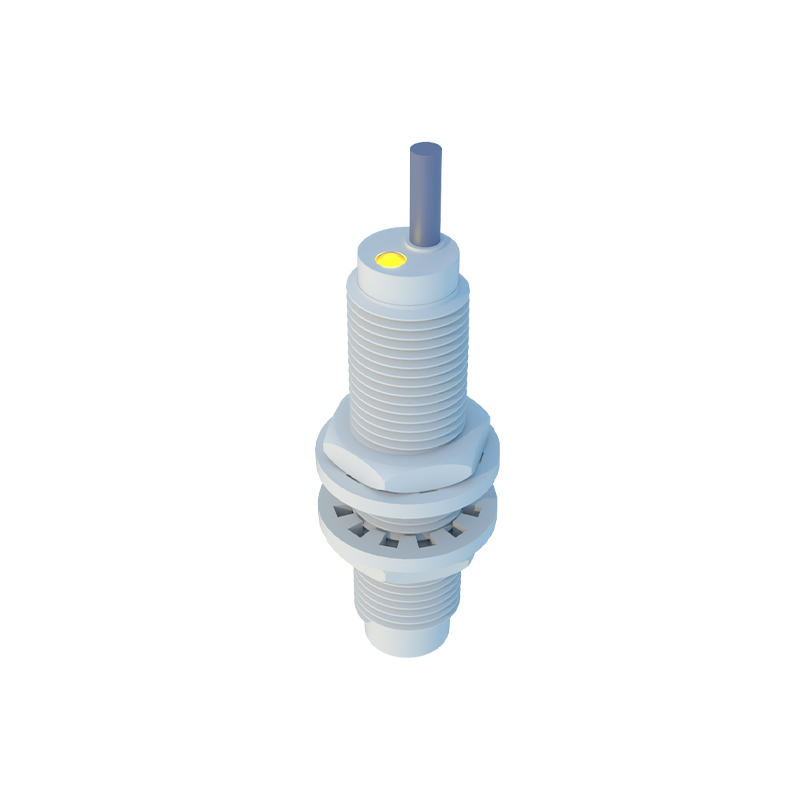
Inductive proximity sensors are widely utilized in industrial settings for detecting metallic objects. They generate an electromagnetic field and sense changes caused by metallic targets, making them ideal for harsh environments where dust, oil, or moisture is present. These sensors are robust, durable, and offer high switching frequencies, which is why they are often the go-to choice in manufacturing plants. For instance, in conveyor belt systems, inductive sensors monitor the position of metal components, ensuring seamless operation and preventing jams.
Capacitive proximity sensors, on the other hand, can detect both metallic and non-metallic materials, including liquids, plastics, and wood. They work by measuring changes in capacitance when an object enters their electrostatic field. This versatility makes them suitable for applications like level sensing in tanks or detecting filled containers on production lines. In food processing industries, capacitive sensors ensure packaging integrity by identifying missing labels or incorrect fill levels without direct contact, maintaining hygiene standards.
Ultrasonic proximity sensors use sound waves to detect objects, regardless of their material composition. By emitting high-frequency pulses and analyzing the reflected waves, these sensors calculate distance and presence. They are commonly employed in parking assistance systems, material handling, and even in healthcare devices for precise measurements. Their ability to function in challenging conditions, such as fog or varying light, adds to their reliability in outdoor or variable environments.
Photoelectric sensors, another prevalent type, rely on light beams to sense objects. They can be configured as through-beam, retro-reflective, or diffuse reflective models, each offering unique advantages for range and accuracy. In automated warehouses, photoelectric sensors manage inventory by detecting items on shelves, while in safety systems, they create light curtains to protect workers from machinery hazards. Their fast response times and long sensing distances make them indispensable in high-speed applications.
The terminology "proximity switch" is often used interchangeably with "proximity sensor," though technically, a switch implies a binary output (on/off), while a sensor may provide analog data. In practice, most proximity sensors in industrial contexts function as switches, triggering actions like stopping a motor or activating a robotic arm when an object is detected. This seamless integration into Programmable Logic Controllers (PLCs) and other control units underscores their importance in modern automation.
When selecting a proximity sensor, engineers consider factors such as sensing range, output type (e.g., NPN or PNP), environmental resistance, and mounting style. For example, in automotive manufacturing, inductive sensors with IP67 ratings withstand coolant sprays and vibrations, ensuring longevity. Meanwhile, in clean rooms, non-contact capacitive sensors prevent contamination. The evolution of smart sensors with IoT connectivity further enhances predictive maintenance and data analytics, driving Industry 4.0 initiatives.
In summary, proximity sensors—whether called proximity switches, detectors, or sensors—are the unsung heroes of automation. Their ability to operate without contact reduces wear and tear, improves safety, and boosts productivity. From simple presence detection to complex positioning tasks, these devices form the backbone of efficient electrical systems. As technology advances, their applications will expand, solidifying their role in shaping the future of industrial and consumer electronics. Understanding their types and functions is essential for any electrical professional aiming to optimize system performance and innovate in a connected world.