In the dynamic landscape of industrial automation, reliable and precise object detection is paramount. Square proximity sensors have emerged as a cornerstone technology, offering robust performance in diverse and demanding environments. Unlike their cylindrical counterparts, these sensors provide a distinct geometric advantage, facilitating easier installation and integration into machinery with flat surfaces or specific mounting constraints. This article delves into the core principles, key features, and critical application considerations of square inductive proximity sensors, the most prevalent type in this form factor.
At their heart, square inductive proximity sensors operate on the principle of electromagnetic induction. The sensor generates a high-frequency oscillating electromagnetic field from its active face. When a metallic target enters this detection field, eddy currents are induced within the target. This absorption of energy causes a change in the oscillation amplitude within the sensor's circuit. An integrated evaluation circuit detects this change and triggers a solid-state switching output, signaling the presence of the object. This non-contact detection method ensures wear-free operation, high switching frequency, and exceptional longevity.
The defining characteristic of these sensors is their rectangular housing, typically constructed from rugged materials like nickel-plated brass, stainless steel, or high-grade PBT plastic. This square or rectangular design offers several practical benefits. The flat sides allow for secure mounting using standard brackets or directly onto flat machine surfaces, often featuring integrated mounting holes or slots. This design minimizes installation space and prevents rotation, a common issue with cylindrical sensors. Many models feature built-in LED status indicators, providing immediate visual feedback on power and output state, which is invaluable for troubleshooting.
Key performance specifications define a sensor's suitability for an application. Sensing distance, or nominal range, is a primary consideration. Square proximity sensors are available in standard ranges, typically from 1mm to 25mm for ferrous metals, with reduced ranges for non-ferrous metals like aluminum or copper. It is crucial to note the "factor" for different materials. The housing style is another critical aspect; flush-mountable sensors can be embedded in metal without loss of sensing range, while non-flush sensors offer longer ranges but require a clear lateral area. Output configurations are predominantly PNP (sourcing) or NPN (sinking), with both normally-open (NO) and normally-closed (NC) logic options to interface seamlessly with PLCs (Programmable Logic Controllers), motor drives, and other control systems. Common supply voltages range from 10-30V DC, with some models supporting wider ranges.
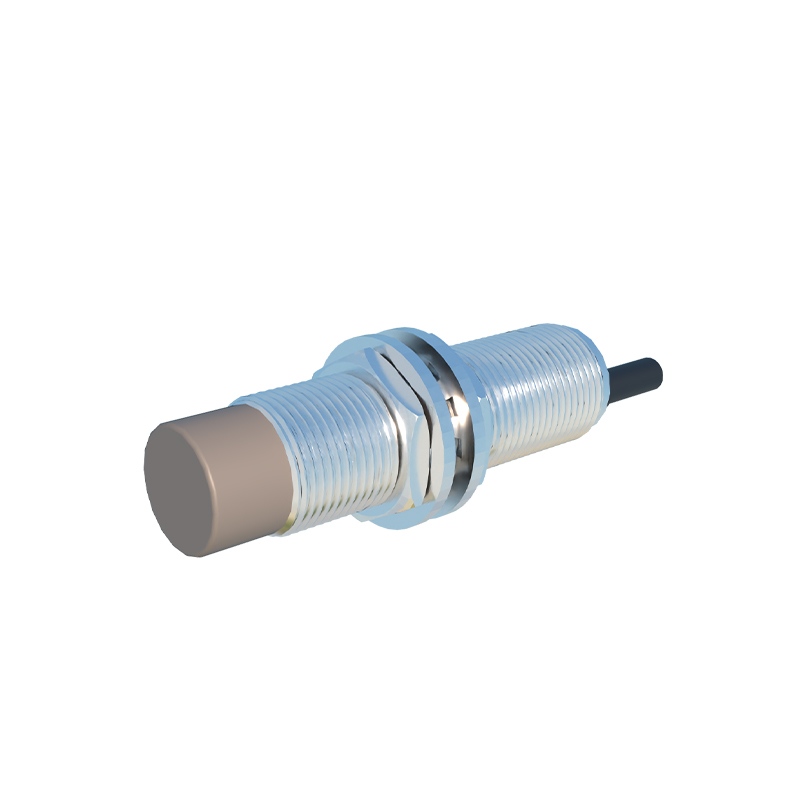
The application spectrum for square proximity sensors is vast. They are indispensable in conveyor systems for detecting the presence, absence, or position of metal parts, pallets, or carriers. In automated assembly lines, they verify component placement, count products, and control robotic pick-and-place sequences. Machine tools utilize them for tool positioning, door interlocking, and end-of-travel detection. Their environmental resilience, often rated IP67 or higher, makes them ideal for harsh conditions involving coolants, oils, and metal chips. The square form factor is particularly advantageous in packaging machinery, material handling equipment, and anywhere space optimization is critical.
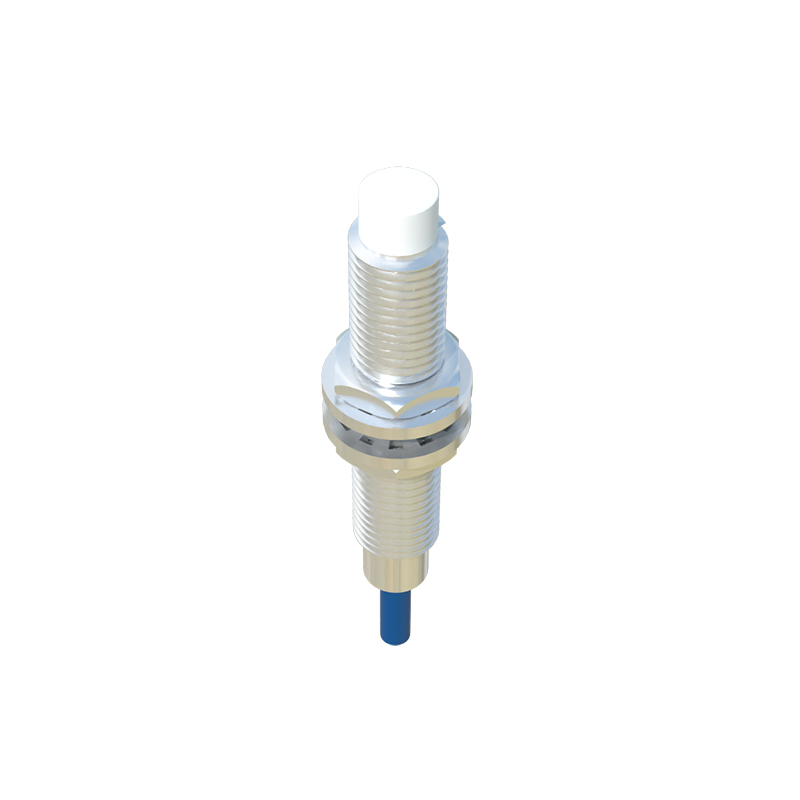
Selecting the right sensor requires careful analysis. First, identify the target material—ferrous or non-ferrous—and the required sensing distance, accounting for any reduction factors. Next, consider the electrical interface: match the output type (PNP/NPN) and switching logic to your control system's input card requirements. The physical environment dictates the housing material; stainless steel is preferred for highly corrosive or washdown areas, while plastic housings are suitable for general industrial use. Finally, evaluate mounting constraints; ensure the sensor's dimensions and mounting style align with the available space. Always consult the manufacturer's datasheet for precise technical drawings, temperature ratings, and detailed specifications.

Installation and wiring are straightforward but demand attention to detail. Ensure the sensor is securely mounted, with its sensing face parallel to the target for optimal performance. Maintain the recommended gap between flush-mountable sensors and surrounding metal. For wiring, strictly adhere to the color-coding or terminal designations: typically brown for DC+, blue for DC-, and black (or white) for the switched output. Implement proper shielding and separation from high-voltage power lines to prevent electrical noise interference. Regular maintenance is minimal but should include periodic cleaning of the sensing face to remove debris, grime, or metallic dust that could attenuate the sensing field.
In conclusion, square proximity sensors represent a versatile and reliable solution for non-contact metal detection in modern industry. Their robust construction, flexible mounting, and consistent performance under challenging conditions make them a preferred choice for engineers and system integrators. By understanding their operating principles, key specifications, and application guidelines, professionals can effectively leverage this technology to enhance automation reliability, improve safety, and optimize production efficiency. As automation evolves, these sensors will continue to play a fundamental role in the intelligent factories of today and tomorrow.