Proximity sensors are critical components in modern packaging machinery, ensuring precise detection, positioning, and automation control. These non-contact sensors detect the presence or absence of metallic objects without physical interaction, making them ideal for high-speed, repetitive packaging operations. Understanding their placement is key to optimizing machine performance, reducing downtime, and maintaining product quality.
In most packaging machines, proximity sensors are strategically located in several key areas. First, on conveyor systems, they are often mounted along the frame to detect the position of packages, cartons, or containers. For instance, sensors may be installed at infeed and discharge points to confirm that items are properly aligned before sealing or labeling. They help trigger actuators or stoppers to control the flow of materials, preventing jams and ensuring smooth transitions between stages.
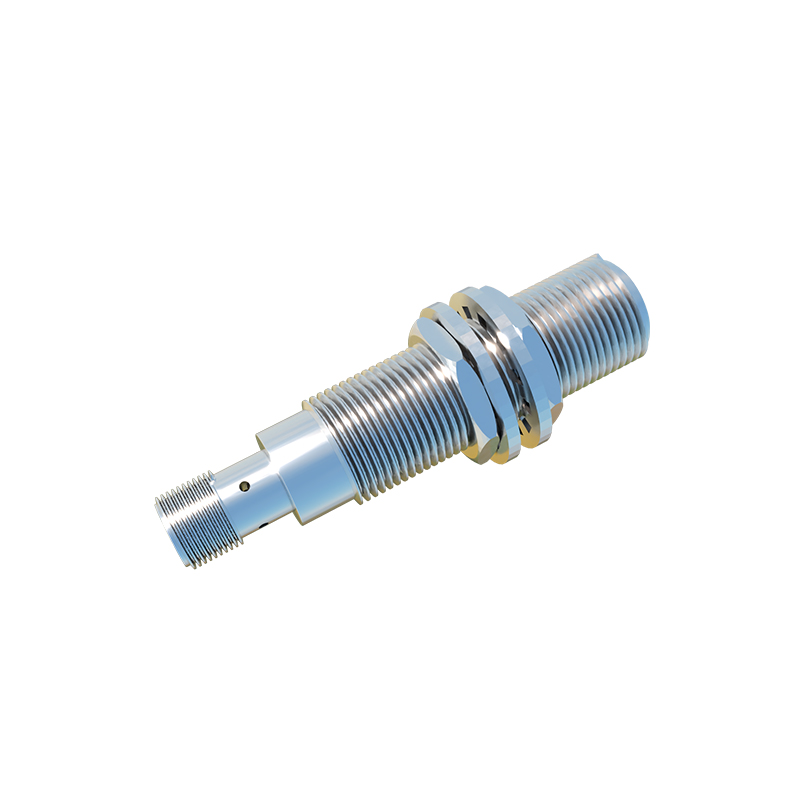
Another common location is near rotating components, such as shafts or cams. Here, sensors monitor rotational speed or angular position, providing feedback for synchronization. In filling machines, they might be placed adjacent to piston cylinders or augers to verify that the correct amount of product has been dispensed. Similarly, in capping or sealing units, sensors detect the presence of caps or lids before the application process begins, avoiding errors like missing seals.
Sensors are also found in safety and access areas. For example, on the doors or guards of packaging machines, proximity sensors act as interlock switches. If a guard is opened during operation, the sensor signals the control system to halt the machine, protecting operators from injury. Additionally, in robotic packaging arms, sensors are embedded near joints or end-effectors to ensure accurate gripping and placement of items.
The type of proximity sensor used—inductive, capacitive, or magnetic—depends on the application. Inductive sensors, which detect metals, are frequently employed in metal-rich environments like canning lines. Capacitive sensors, sensitive to both metallic and non-metallic materials, might be used for detecting plastic bottles or paperboard boxes. Mounting styles vary too, with flush-mounted sensors for tight spaces or non-flush versions for extended sensing ranges.
Regular maintenance of these sensors is essential. Dust, debris, or moisture in packaging environments can impair sensor function. Technicians should periodically inspect sensor alignment, clean lenses or faces, and verify wiring connections. Calibration may be needed to adjust sensitivity, especially when handling different package sizes or materials.
In summary, proximity sensors on packaging machines are typically positioned at material handling points, rotating mechanisms, filling/sealing stations, and safety interfaces. Their exact placement depends on the machine design and operational requirements. By knowing where to find them, engineers can swiftly troubleshoot issues, enhance efficiency, and ensure reliable packaging processes. Always refer to the machine’s manual for specific diagrams and sensor specifications.