In the realm of industrial automation and process control, precision and reliability are paramount. Two critical components that underpin these requirements are pressure sensors and proximity switches. While they serve distinct functions, both are indispensable in modern electrical and mechanical systems, ensuring safety, efficiency, and accurate monitoring. This article delves into their principles, types, applications, and key considerations for selection and integration.
Pressure sensors are devices designed to measure the force exerted by gases or liquids, converting it into an electrical signal. The most common technologies include piezoresistive, capacitive, and piezoelectric sensors. Piezoresistive sensors utilize strain gauges that change resistance under pressure, offering high accuracy and stability for applications like hydraulic systems and medical equipment. Capacitive sensors measure changes in capacitance due to diaphragm deflection, excelling in low-pressure environments such as HVAC systems. Piezoelectric sensors generate a charge when subjected to mechanical stress, making them ideal for dynamic pressure measurements in automotive or aerospace industries. Key parameters when selecting a pressure sensor include range, accuracy, output signal (analog or digital), and environmental resilience to factors like temperature and corrosion.
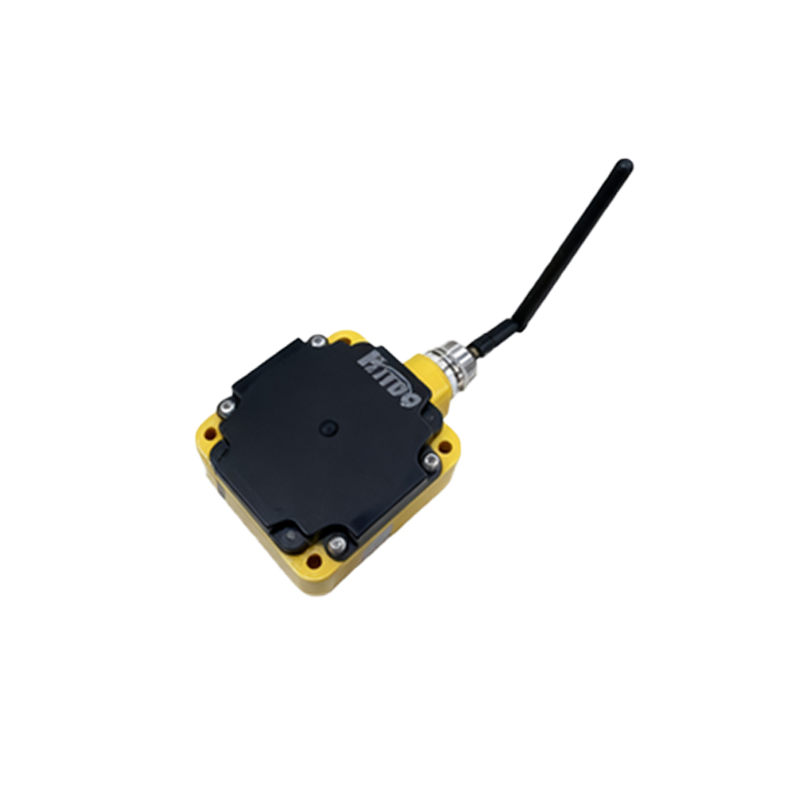
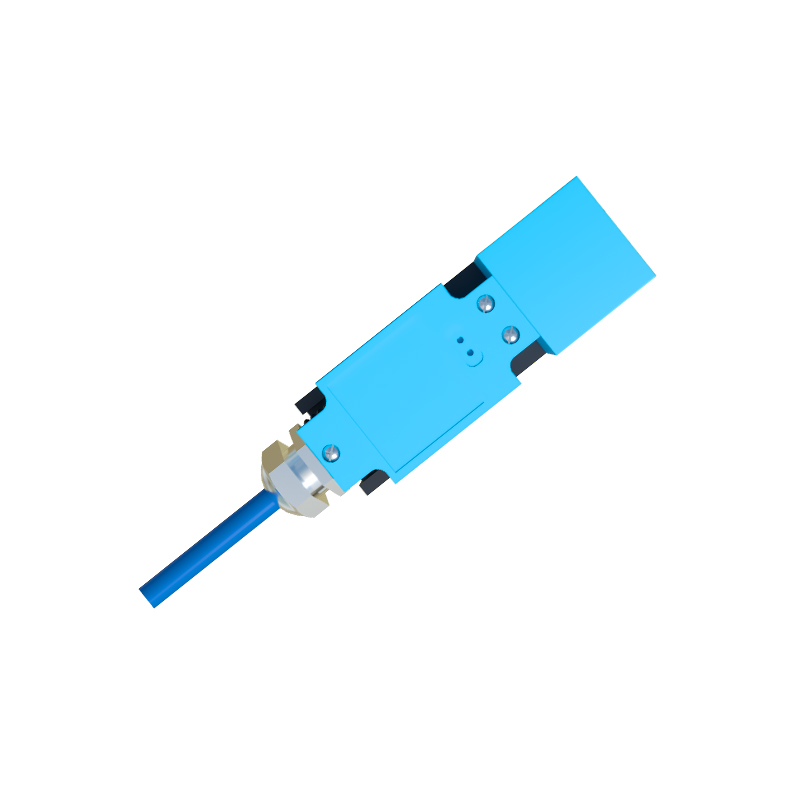
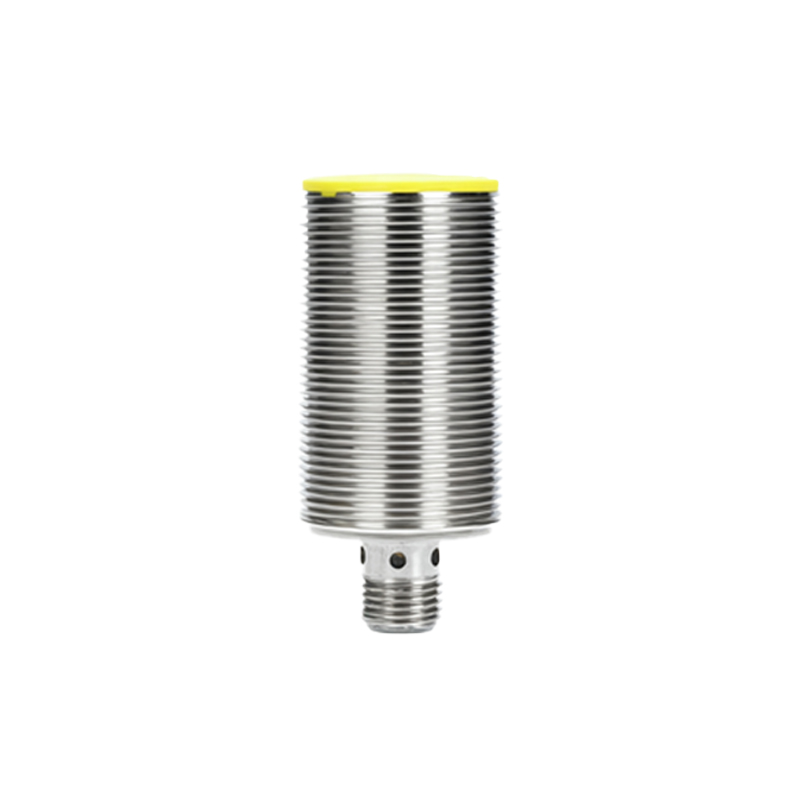
Proximity switches, on the other hand, are non-contact sensors that detect the presence or absence of an object within a specified range without physical contact. They are categorized based on their sensing technology: inductive, capacitive, and photoelectric. Inductive proximity switches detect metallic objects by generating an electromagnetic field, commonly used in manufacturing for position sensing or part counting. Capacitive proximity switches can detect both metallic and non-metallic materials by sensing changes in capacitance, suitable for liquid level detection or plastic handling. Photoelectric proximity switches use light beams to detect objects, offering long-range capabilities in packaging or material handling. Critical factors for proximity switches include sensing distance, response time, housing material, and immunity to electrical noise.
In industrial settings, these devices often work in tandem. For instance, in a pneumatic system, pressure sensors monitor air pressure to ensure optimal operation, while proximity switches verify the position of actuators or valves. Integration with PLCs (Programmable Logic Controllers) and SCADA (Supervisory Control and Data Acquisition) systems enables real-time data acquisition and control, enhancing automation. Maintenance practices, such as regular calibration for pressure sensors and cleaning for proximity switches, are essential to prevent downtime and ensure longevity.
Emerging trends include the adoption of IoT (Internet of Things) connectivity, allowing for predictive maintenance and remote monitoring. Smart sensors with embedded diagnostics are becoming standard, reducing troubleshooting time. When designing systems, engineers must consider compatibility, installation environment, and regulatory standards like IEC or ATEX for hazardous areas.
In summary, pressure sensors and proximity switches are foundational to industrial efficiency. By understanding their technologies and applications, engineers can optimize system performance, reduce costs, and improve safety. As industries evolve toward greater automation, these components will continue to play a pivotal role in shaping the future of electrical engineering.