In today's rapidly evolving industrial landscape, the demand for cost-effective and reliable sensing solutions has never been higher. Miniature proximity sensors, known for their compact design and precise detection capabilities, are now available at competitive prices, making them accessible for a wide range of applications. These sensors operate without physical contact, using electromagnetic fields or infrared light to detect the presence of metallic or non-metallic objects. Their small size allows for easy integration into tight spaces, such as in robotics, conveyor systems, and packaging machinery, where traditional sensors might be too bulky.
One of the key advantages of affordable miniature proximity sensors is their durability. Built with robust materials like stainless steel or PBT plastic housings, they withstand harsh environments, including exposure to dust, moisture, and temperature fluctuations. This resilience reduces maintenance costs and downtime, contributing to overall operational efficiency. Additionally, many budget-friendly models offer features typically found in higher-end versions, such as short-circuit protection, adjustable sensing ranges, and LED indicators for easy diagnostics. For instance, inductive sensors can detect ferrous metals at distances up to 15 mm, while capacitive variants handle non-metallic materials like wood or liquid, with ranges around 10 mm.
The affordability of these sensors does not compromise performance. Modern manufacturing techniques and economies of scale have driven down costs, enabling small and medium-sized enterprises to adopt automation technologies that were once reserved for larger corporations. When selecting a miniature proximity sensor, consider factors like sensing distance, output type (e.g., NPN or PNP), and supply voltage compatibility (commonly 10-30 V DC). For example, a typical low-cost inductive sensor might feature a 12 mm diameter housing, a sensing range of 4 mm, and a switching frequency of 1 kHz, suitable for high-speed counting tasks.
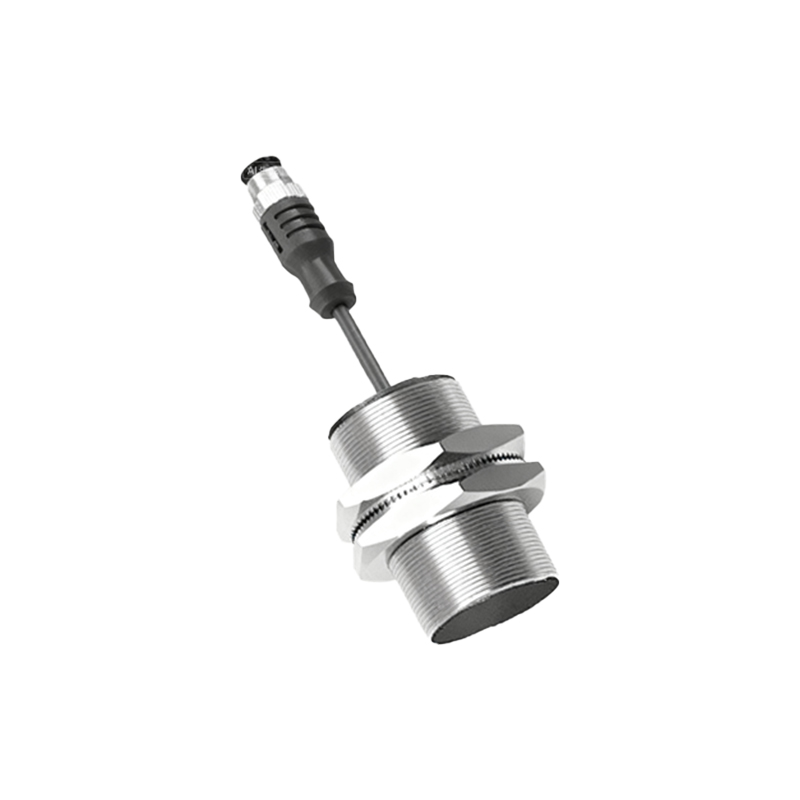
Applications span diverse industries, from automotive assembly lines, where they ensure precise part positioning, to food processing plants, where hygienic designs prevent contamination. In consumer electronics, these sensors enable touchless controls in devices, enhancing user experience. The trend toward Industry 4.0 and IoT integration further boosts their appeal, as many affordable sensors now support connectivity protocols like IO-Link for real-time data monitoring and predictive maintenance.
To maximize value, users should follow best practices, such as proper alignment to avoid false triggers and regular calibration to maintain accuracy. Suppliers often provide technical support and customization options, allowing for tailored solutions without significant cost increases. In summary, the availability of cheap miniature proximity sensors democratizes automation, offering reliable, high-performance sensing that drives productivity and innovation across sectors. As technology advances, we can expect even more features at lower price points, fueling the growth of smart manufacturing and beyond.