High voltage proximity switch sensors are critical components in industrial automation, designed to detect the presence or absence of objects without physical contact, even in environments with elevated electrical potentials. Proper installation is essential to ensure reliable operation, safety, and longevity. This guide provides a step-by-step approach to installing these sensors, adhering to industry standards and best practices.
Before beginning the installation, it is crucial to review the manufacturer's datasheet and specifications. High voltage proximity sensors typically operate at voltages above 1000V AC/DC, so understanding the rated voltage, current, sensing range, and environmental conditions (such as temperature, humidity, and IP rating) is vital. Ensure that the sensor is compatible with the application's electrical system and that all necessary tools—including insulated screwdrivers, multimeters, and mounting hardware—are available. Always de-energize the power supply and verify zero voltage using a certified tester to prevent electrical hazards.
Start by selecting an appropriate mounting location. The sensor should be positioned where it can effectively detect the target object without interference from surrounding metals, electrical noise, or mechanical vibrations. Maintain the recommended sensing distance, usually specified as a percentage of the nominal range (e.g., 70-80% to account for tolerances). For cylindrical sensors, use the provided mounting brackets or nuts to secure them firmly, ensuring alignment perpendicular to the target surface for optimal sensitivity. Avoid mounting near high-voltage cables or transformers to minimize electromagnetic interference.
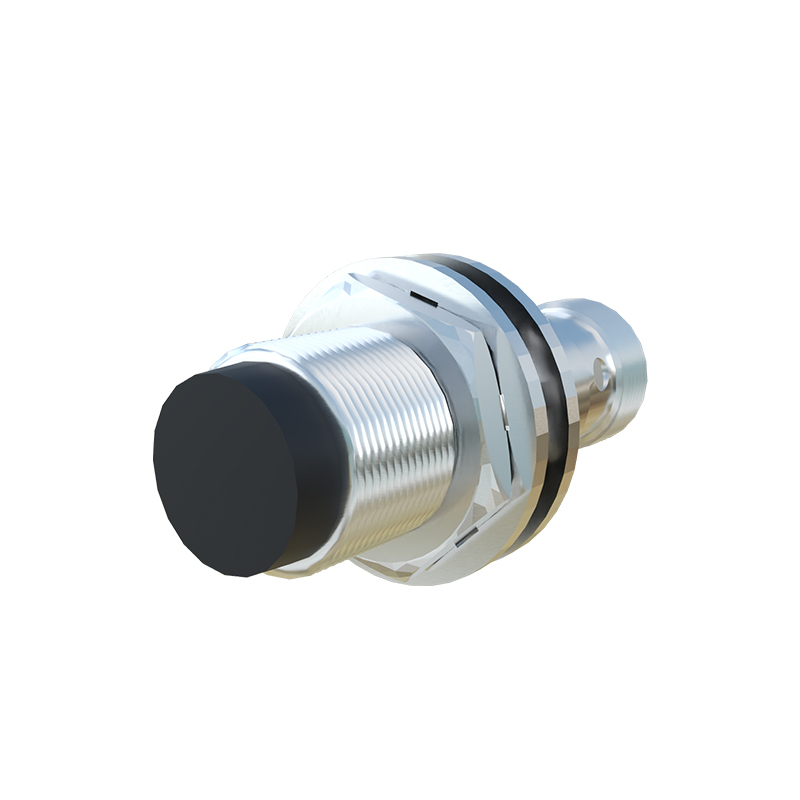
Wiring is a critical phase in the installation process. High voltage proximity sensors generally have three or four wires: power supply (line and neutral), output signal, and sometimes a ground wire for shielding. Follow the color-coding or labels indicated in the manual—common standards include brown for positive, blue for negative, black for output, and green-yellow for ground. Use shielded cables for the signal lines to reduce noise, and route them away from power lines. Strip the wire ends carefully, connect them to the corresponding terminals in the control panel or PLC, and tighten the screws to prevent loose connections. For added safety, install overcurrent protection devices like fuses or circuit breakers in the supply line.
After wiring, perform a preliminary test without the target object. Restore power and check the sensor's indicator LED (if available) to confirm it is receiving voltage. Use a multimeter to measure the output signal in the absence of a target; it should read low or zero. Then, introduce the target object within the sensing range and verify that the output switches appropriately (e.g., from low to high for normally open configurations). Adjust the sensor's position if the response is inconsistent, and ensure there is no false triggering due to environmental factors.
Calibration and fine-tuning may be necessary for specific applications. Some high voltage proximity sensors feature sensitivity adjustments or teach-in functions to adapt to different materials or distances. Refer to the manual for calibration procedures, and use non-metallic tools to avoid affecting the sensor's field. Once calibrated, secure all connections with cable glands or conduits, especially in harsh environments, to maintain the IP rating and prevent dust or moisture ingress.
Regular maintenance is key to sustained performance. Periodically inspect the sensor for physical damage, corrosion, or loose wiring. Clean the sensing face with a soft cloth to remove debris, and verify operation during routine system checks. Document the installation details, including date, location, and settings, for future reference.
In summary, installing high voltage proximity switch sensors requires careful planning, adherence to safety protocols, and precise execution. By following these guidelines, engineers can ensure robust integration into industrial systems, enhancing automation efficiency and safety. Always prioritize manufacturer instructions and local electrical codes to mitigate risks associated with high-voltage applications.