Proximity sensors are critical components in modern metro train systems, ensuring operational safety, efficiency, and reliability. These non-contact sensors detect the presence or absence of nearby objects without physical interaction, making them ideal for the harsh and dynamic environments of rail transit. In metro applications, proximity sensors primarily function to monitor train position, detect obstacles, control door operations, and oversee braking systems. Their ability to perform accurately under varying conditions—such as temperature fluctuations, vibrations, and electromagnetic interference—is essential for maintaining seamless urban mobility.
The working principle of proximity sensors in metro trains typically relies on electromagnetic or capacitive technologies. Inductive proximity sensors, the most common type, generate an oscillating electromagnetic field. When a metallic object, like a train wheel or track component, enters this field, it induces eddy currents that alter the oscillation amplitude. This change triggers the sensor's output switch, signaling the object's presence. These sensors are highly effective for detecting metal parts, such as in wheel flange monitoring or rail switch positioning. Capacitive proximity sensors, on the other hand, detect both metallic and non-metallic objects by measuring changes in capacitance caused by the target's dielectric properties. They are often used in applications like passenger detection for door control or liquid level sensing in cooling systems.
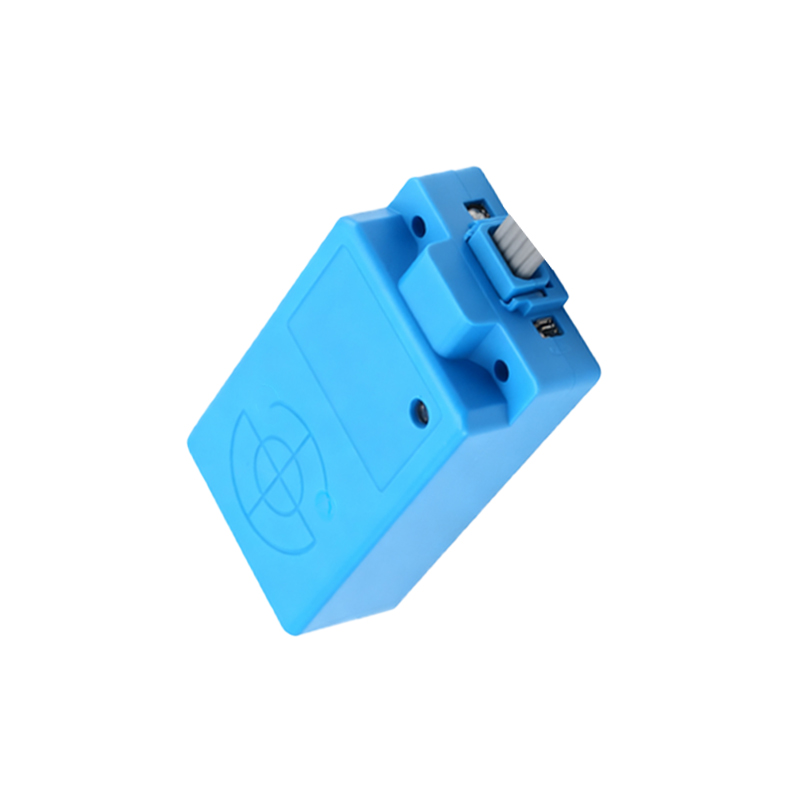
In metro train systems, proximity sensors are strategically installed at key points. For instance, they are mounted near wheels to monitor speed and rotation, helping prevent derailments by detecting anomalies. Along tracks, sensors assist in train localization, enabling precise stopping at platforms and optimizing headway between trains. Door systems utilize sensors to ensure safe opening and closing, preventing accidents by detecting obstructions. Additionally, in braking mechanisms, proximity sensors provide real-time feedback on brake pad wear or actuator position, enhancing maintenance schedules and safety protocols.
The advantages of using proximity sensors in metro trains include their durability, low maintenance needs, and fast response times. Since they lack moving parts, they are less prone to wear and can withstand contaminants like dust, moisture, and oil—common in rail environments. Their non-contact nature minimizes mechanical stress, extending lifespan and reducing downtime. However, challenges such as interference from adjacent electrical systems or misalignment due to vibrations must be addressed through proper shielding, calibration, and installation practices.
Looking ahead, advancements in sensor technology are driving innovation in metro systems. Smart proximity sensors with integrated diagnostics and wireless connectivity are emerging, allowing for predictive maintenance and real-time data analytics. These developments promise to further enhance safety, reduce operational costs, and support the growth of automated train operations. In summary, proximity sensors are indispensable in metro trains, underpinning the reliability and efficiency of urban rail networks through robust, non-contact detection mechanisms.