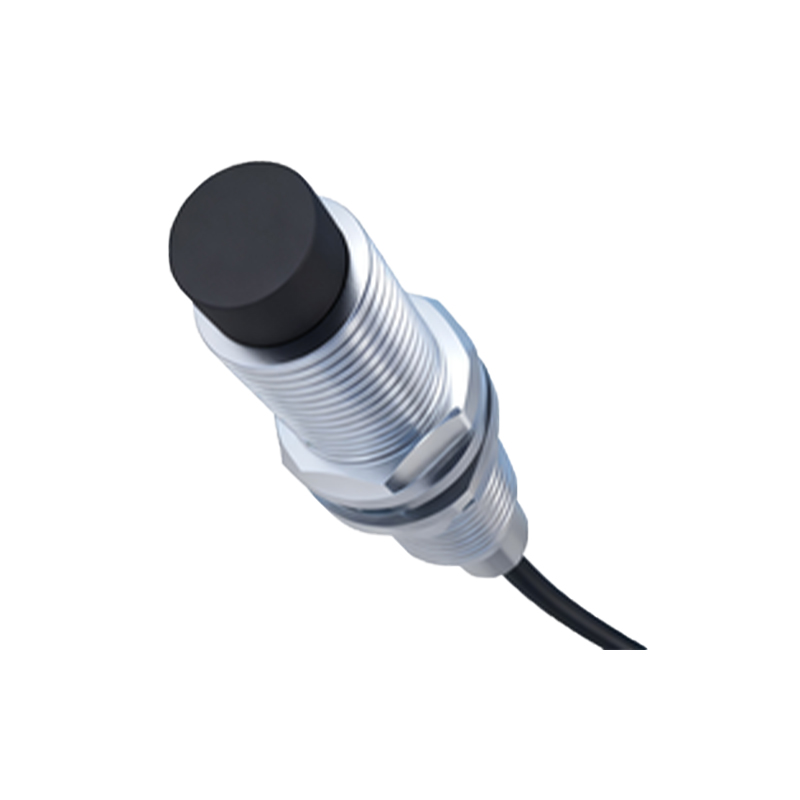
Flush mount metal proximity sensors represent a critical advancement in industrial sensing technology, designed specifically for seamless integration into machinery and equipment. Unlike non-flush sensors that protrude from mounting surfaces, flush mount variants are installed with their sensing face aligned flush with the surrounding mounting surface. This design characteristic is particularly advantageous in industrial environments where space constraints, physical obstructions, or the risk of mechanical damage are prevalent.
The operational principle of these sensors typically relies on electromagnetic induction. They generate an oscillating electromagnetic field from their sensing face. When a metallic target, such as steel, aluminum, or brass, enters this active field, eddy currents are induced in the target. This process dampens the oscillation within the sensor, triggering a solid-state switching output. The key distinction of a flush mount design is its reduced sensing range compared to a non-flush equivalent of the same size, due to the field's lateral spread along the mounting surface. However, this is a calculated trade-off for enhanced durability and installation flexibility.
Primary applications are abundant in automated manufacturing and material handling. They are indispensable for precise position detection of metal parts on conveyor lines, in robotic arms for end-effector confirmation, within CNC machine tools for tool presence verification, and as safety interlocks on guards and doors. Their flush installation prevents snagging on passing materials or accidental impacts from forklifts and maintenance tools, thereby significantly reducing downtime and replacement costs.
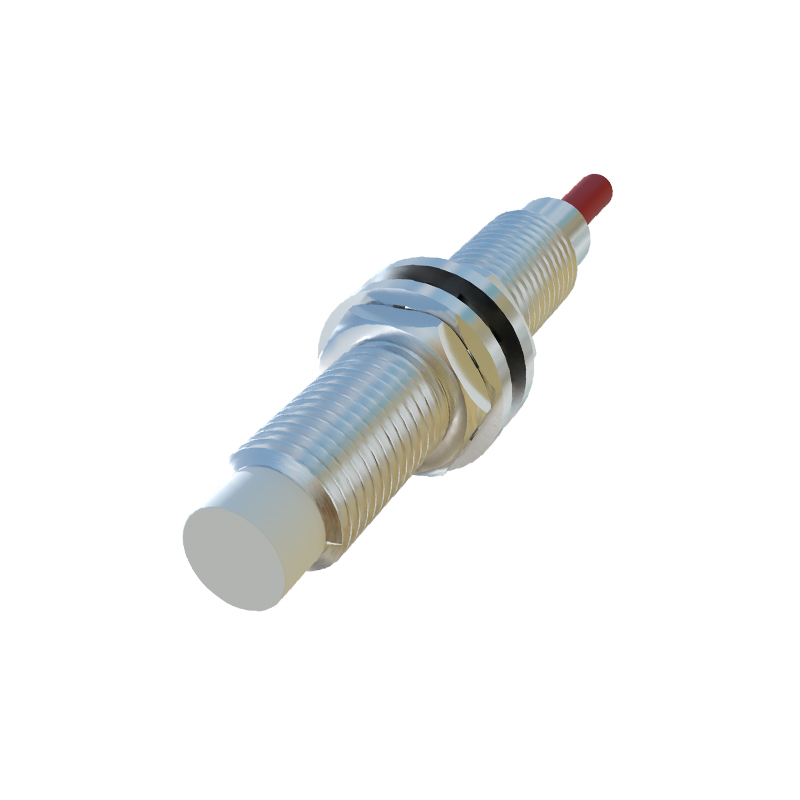
Selecting the appropriate flush mount sensor requires careful consideration of several technical parameters. The sensing distance, or nominal range, is specified for a standard mild steel target. Factors like target material, size, and shape influence the effective range; for instance, aluminum typically reduces the range by approximately 40-60%. The sensor's housing material, often nickel-plated brass, stainless steel, or PBT plastic, must be chosen based on the environmental conditions, including exposure to coolants, oils, or washdowns. Output configurations include NPN (sinking), PNP (sourcing), Normally Open (NO), or Normally Closed (NC) contacts, which must be compatible with the control system's PLC input card.
Installation and wiring are straightforward but demand attention to detail. A correctly sized mounting hole must be drilled and deburred to ensure the sensor sits truly flush without gaps. The surrounding area, typically one diameter from the sensing face, should be free of other metal objects to prevent false triggering—a guideline known as the "free-zone" requirement. Proper shielding and conduit are recommended for the electrical cabling in areas with high electromagnetic interference from motors or welding equipment.
In summary, flush mount metal proximity sensors offer a robust and reliable solution for non-contact detection in tight, demanding industrial spaces. Their design prioritizes physical resilience and seamless integration, making them a cornerstone component for engineers designing efficient, crash-resistant, and low-maintenance automation systems. Understanding their operational limits and correct application is fundamental to leveraging their full potential in enhancing machine reliability and operational throughput.