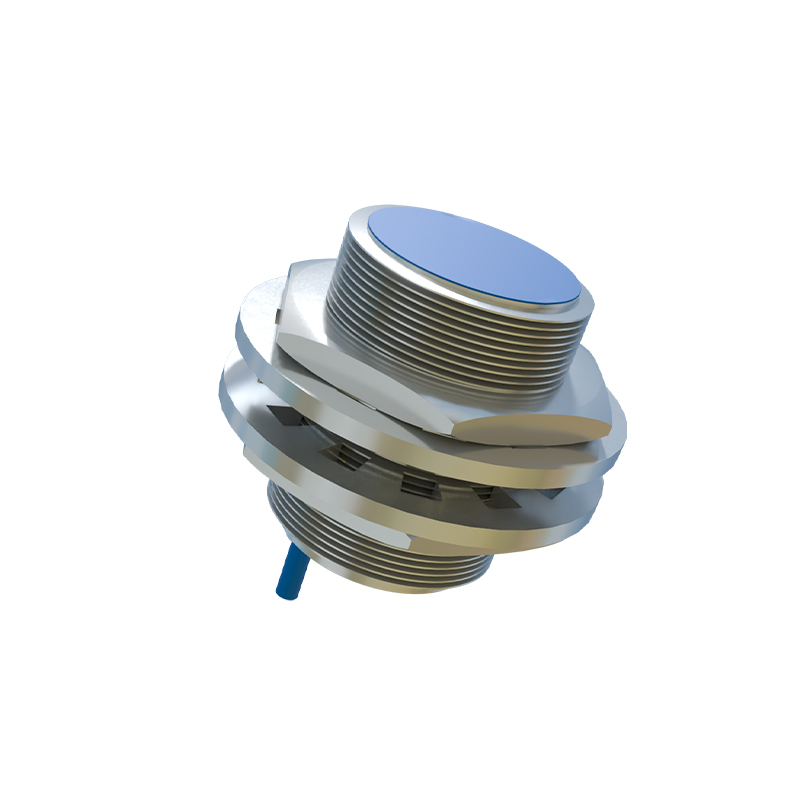
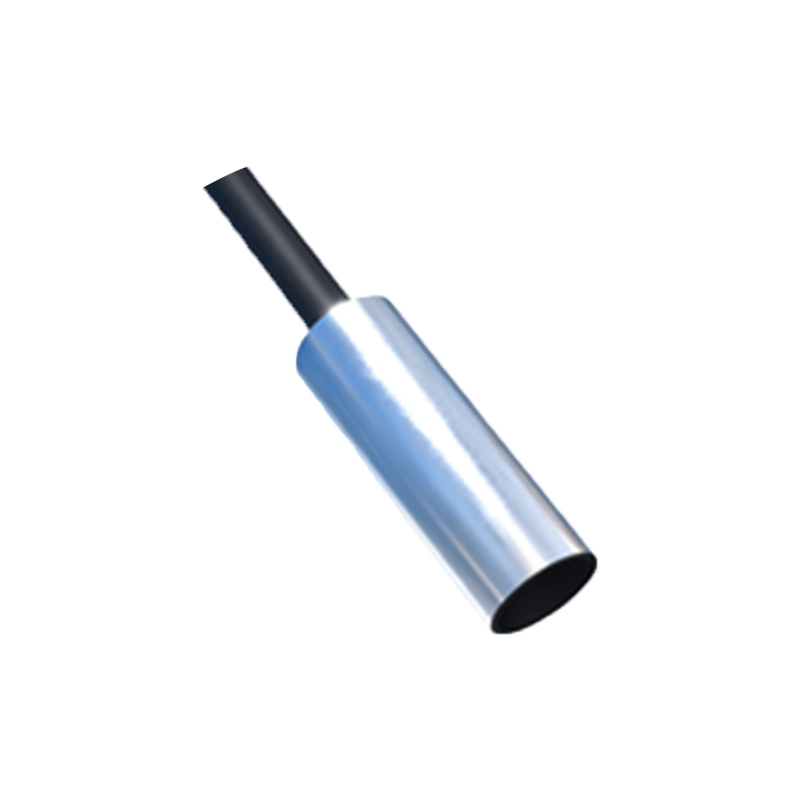
In modern industrial automation, the integration of proximity sensors into Programmable Logic Controller (PLC) control circuits represents a critical advancement in achieving precise, reliable, and efficient machine operations. Proximity sensors, which detect the presence or absence of objects without physical contact, serve as the eyes of automated systems, providing essential input signals to PLCs. This article delves into the technical aspects of designing PLC control circuits that incorporate proximity sensors, highlighting best practices, common configurations, and practical applications.
Proximity sensors come in various types, including inductive, capacitive, and photoelectric sensors, each suited for specific environments and materials. Inductive sensors, for instance, are ideal for detecting metallic objects in harsh industrial settings, while capacitive sensors can handle non-metallic materials. When integrating these sensors into a PLC control circuit, engineers must first consider the sensor's output type—typically PNP (sourcing) or NPN (sinking)—to ensure compatibility with the PLC's input module. Mismatched configurations can lead to circuit malfunctions or damage, so verifying voltage levels and current ratings is paramount.
The circuit design begins with connecting the proximity sensor to the PLC's digital input card. For a standard three-wire DC sensor, the brown wire (positive) links to the DC power supply's positive terminal, the blue wire (negative) to the common ground, and the black wire (signal output) to the designated PLC input point. It is crucial to include protective measures, such as fuses or surge suppressors, to safeguard against electrical noise or voltage spikes common in industrial environments. Additionally, proper shielding and grounding of cables minimize interference, ensuring stable signal transmission.
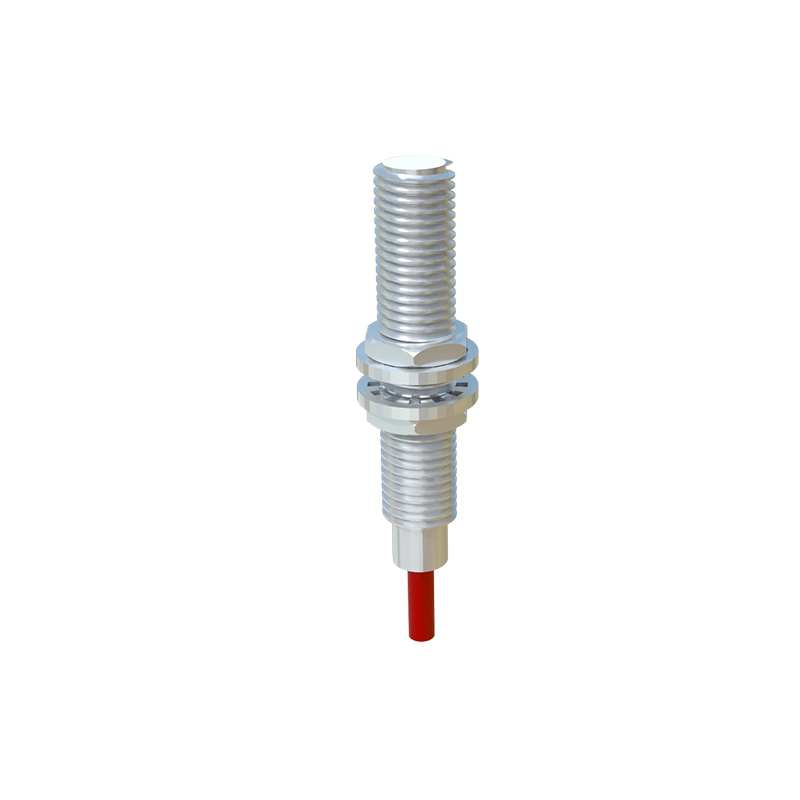
In the PLC programming ladder logic, the proximity sensor's input is used to trigger specific actions, such as starting a motor, activating a solenoid valve, or halting a conveyor belt. For example, a sensor detecting a part on an assembly line might send a signal to the PLC, which then executes a sequence to move the part to the next station. Engineers should implement debounce logic in the program to filter out false triggers caused by sensor vibrations or environmental factors, enhancing system reliability. Regular maintenance, including sensor alignment checks and cleanliness, further prevents operational downtime.
Applications of PLC-controlled proximity sensor circuits span industries like automotive manufacturing, packaging, and material handling. In automotive plants, sensors ensure robotic arms accurately weld components, while in packaging lines, they count products for inventory control. By leveraging these circuits, businesses achieve higher productivity, reduced waste, and improved safety. As technology evolves, the fusion of smart sensors with Industrial Internet of Things (IIoT) platforms promises even greater automation capabilities, making PLC and proximity sensor integration a cornerstone of Industry 4.0.