In the rapidly evolving landscape of smartphone technology, ultrasonic proximity sensors have emerged as a pivotal component, enhancing user experience through precise, reliable, and versatile detection capabilities. Unlike traditional infrared (IR) or capacitive sensors, ultrasonic sensors operate by emitting high-frequency sound waves—typically above 20 kHz, beyond human hearing range—and measuring the time it takes for the waves to reflect off nearby objects. This time-of-flight (ToF) principle allows for accurate distance calculations, enabling smartphones to perform functions such as screen blanking during calls, gesture recognition, and augmented reality (AR) interactions.
The core mechanism of an ultrasonic proximity sensor involves a transmitter and a receiver. The transmitter emits ultrasonic pulses, which travel through the air and bounce back upon encountering an obstacle. The receiver captures these echoes, and the sensor's microcontroller processes the data to determine the object's distance based on the speed of sound in air. This method offers several advantages over IR sensors, which can be affected by ambient light or transparent surfaces, and capacitive sensors, which may struggle with non-conductive materials. Ultrasonic sensors provide consistent performance across various environmental conditions, including bright sunlight or darkness, making them ideal for mobile devices used in diverse settings.
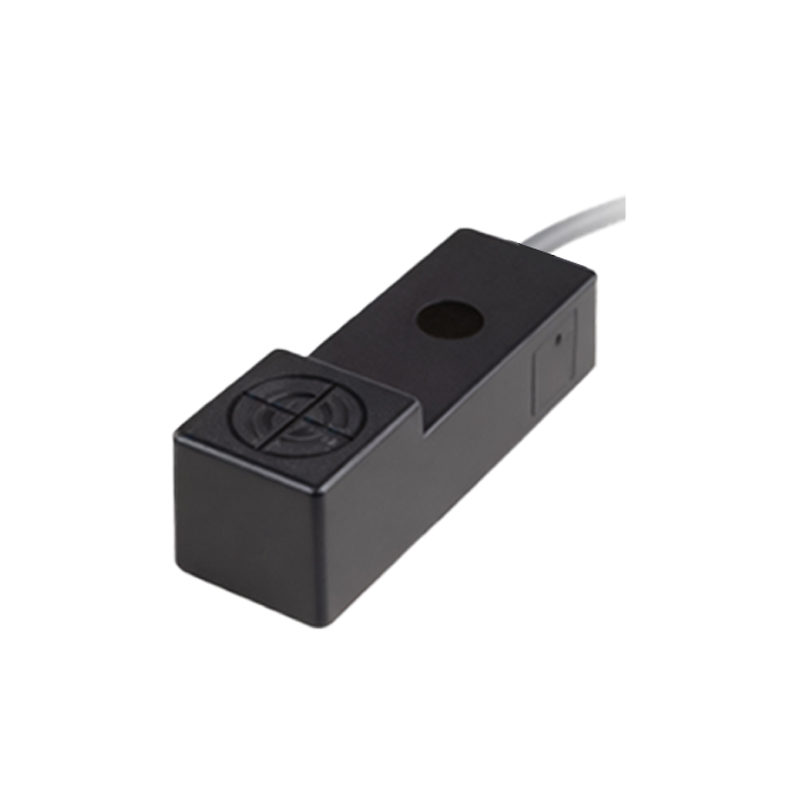
In smartphones, ultrasonic proximity sensors are primarily integrated to conserve battery life and prevent accidental touch inputs. For instance, when a user holds the phone to their ear during a call, the sensor detects the proximity of the face and automatically turns off the display. This not only reduces power consumption but also minimizes unintended screen interactions. Beyond this basic function, advanced implementations leverage ultrasonic technology for spatial awareness and gesture control. By mapping the surrounding environment in 3D, these sensors enable features like air gestures—allowing users to scroll through content or answer calls with a wave of the hand—without physical contact with the device.
Moreover, ultrasonic sensors contribute to the growing field of smartphone-based AR and virtual reality (VR). By providing precise distance measurements, they assist in creating immersive experiences, such as virtual object placement in real-world scenes or enhanced gaming interactions. The integration with other sensors, like accelerometers and gyroscopes, further refines spatial tracking, offering a seamless blend of digital and physical realms. From an engineering perspective, the design of ultrasonic sensors in smartphones requires careful consideration of factors such as power efficiency, miniaturization, and acoustic interference. Manufacturers often employ piezoelectric transducers to generate and detect sound waves, with ongoing research focused on improving sensitivity and reducing signal noise.
The adoption of ultrasonic proximity sensors also aligns with industry trends toward bezel-less displays and under-screen technology. By embedding sensors beneath the screen, smartphone designers can achieve sleek, uninterrupted aesthetics while maintaining functionality. However, this poses challenges, such as ensuring signal penetration through glass or OLED layers without degradation. Innovations in material science and signal processing algorithms are addressing these hurdles, paving the way for next-generation devices with enhanced sensor capabilities.
In summary, ultrasonic proximity sensors represent a sophisticated fusion of acoustics and electronics, driving innovation in smartphone usability and interaction. As 5G networks and IoT ecosystems expand, the demand for reliable sensing solutions will only increase, positioning ultrasonic technology as a key enabler for future mobile applications. Engineers and developers continue to explore new use cases, from health monitoring to secure authentication, underscoring the sensor's versatility in an interconnected world.