In the realm of industrial automation and control systems, capacitive proximity sensors are indispensable components, widely used for detecting both metallic and non-metallic objects, liquids, and granular materials. Their reliability directly impacts the efficiency and safety of production lines. However, not all capacitive sensors are created equal. Understanding how to assess their quality is crucial for engineers and maintenance personnel. This article delves into the key indicators of a good capacitive proximity sensor and common pitfalls of inferior ones, providing a practical guide for evaluation.
A high-quality capacitive proximity sensor is characterized by several core attributes. First and foremost is stable and repeatable sensing performance. The sensor should consistently detect a target object at its specified nominal sensing distance (Sn) under defined operating conditions, with minimal deviation. Factors such as temperature fluctuations, supply voltage variations, and environmental humidity should have a negligible impact on its switching point. Premium sensors incorporate advanced circuitry and high-quality dielectric materials to ensure this stability. Secondly, excellent noise immunity is paramount. Industrial environments are rife with electromagnetic interference (EMI) from motors, frequency drives, and welding equipment. A robust sensor features effective shielding, filtering circuits, and often complies with stringent EMC (Electromagnetic Compatibility) standards like IEC 60947-5-2. It should not false-trigger or become unstable when subjected to common electrical noise.
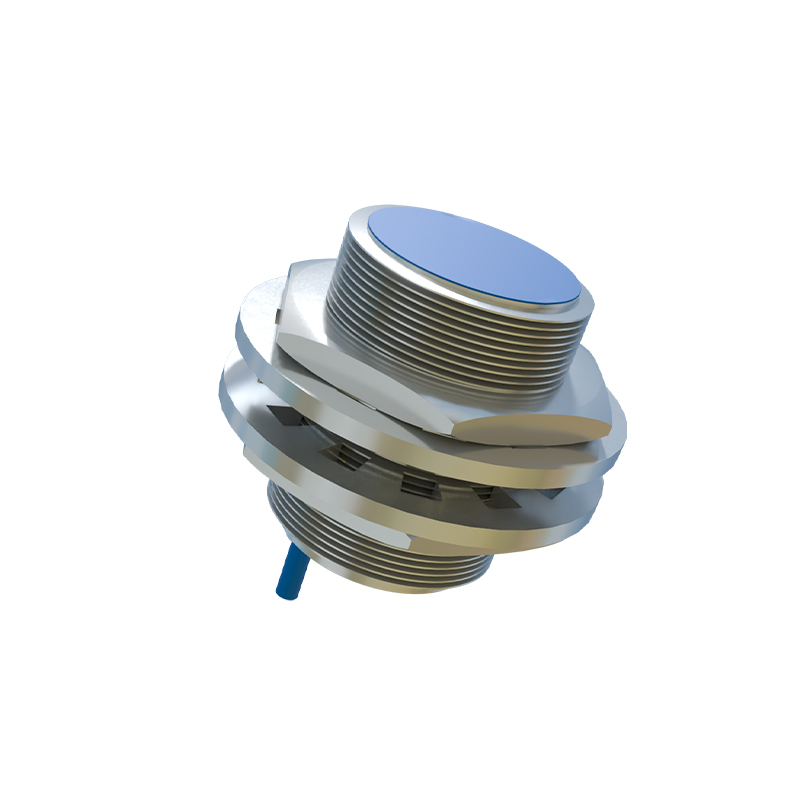
Thirdly, construction quality and environmental resilience are tangible indicators. The housing, typically made from PBT, PTFE, or stainless steel, should be rugged, sealed to appropriate IP ratings (e.g., IP67, IP69K for washdown environments), and resistant to chemicals, oils, and physical impacts. The sensing face, a critical element, should be made of a durable, high-quality material that prevents coating buildup and maintains consistent dielectric properties. Fourth, precise adjustment capabilities signify a well-designed sensor. Many capacitive sensors feature a potentiometer or teach-in function for sensitivity adjustment. A high-quality potentiometer allows for smooth, linear adjustment without abrupt jumps, enabling fine-tuning to ignore non-target materials (like a container wall) while reliably detecting the target substance inside.
Conversely, a poor-quality capacitive proximity sensor exhibits a range of deficiencies that lead to operational headaches. The most common issue is unreliable and drifting sensing distance. An inferior sensor may work initially but its effective sensing range can drift significantly with temperature changes or over time, causing missed detections or false positives. This is often due to low-grade oscillating components and unstable capacitance-to-voltage conversion circuits. Susceptibility to interference is another major red flag. Cheap sensors lack proper shielding and filtering, making them prone to activation from nearby machinery, leading to erratic machine behavior and potential safety hazards.
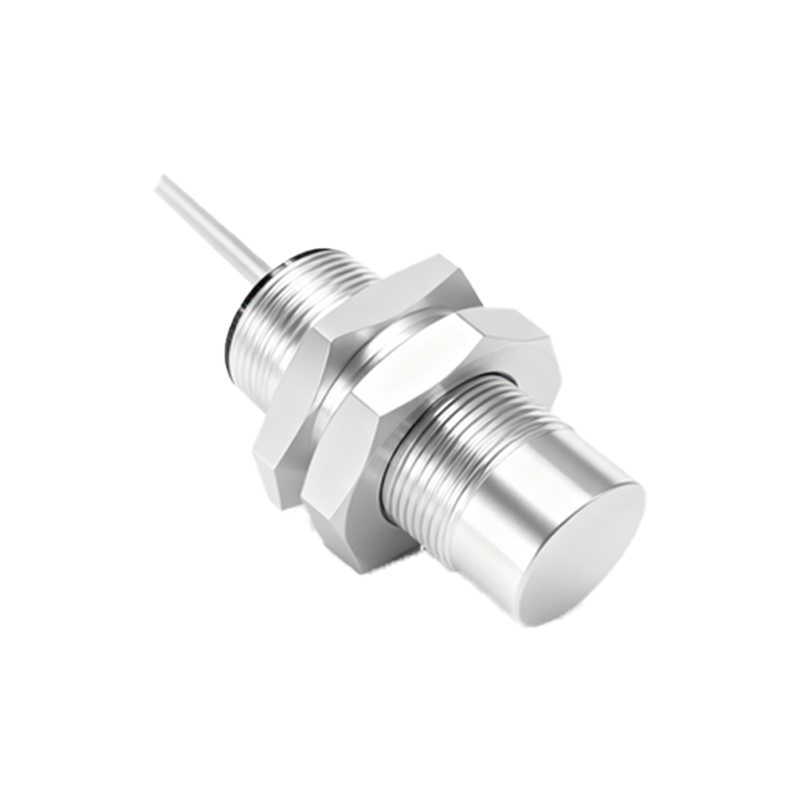
Poor construction is often immediately apparent. Flimsy plastic housings that crack under stress, inadequate sealing that allows moisture ingress (leading to corrosion and failure), and low-quality cable or connector interfaces that break easily are telltale signs. The sensing face on low-end models might use inferior plastics that absorb moisture or are prone to staining, altering the dielectric constant and degrading performance. Furthermore, inconsistent performance across samples from the same batch indicates poor manufacturing quality control. One sensor might work within spec, while another from the same order does not, creating a maintenance nightmare.
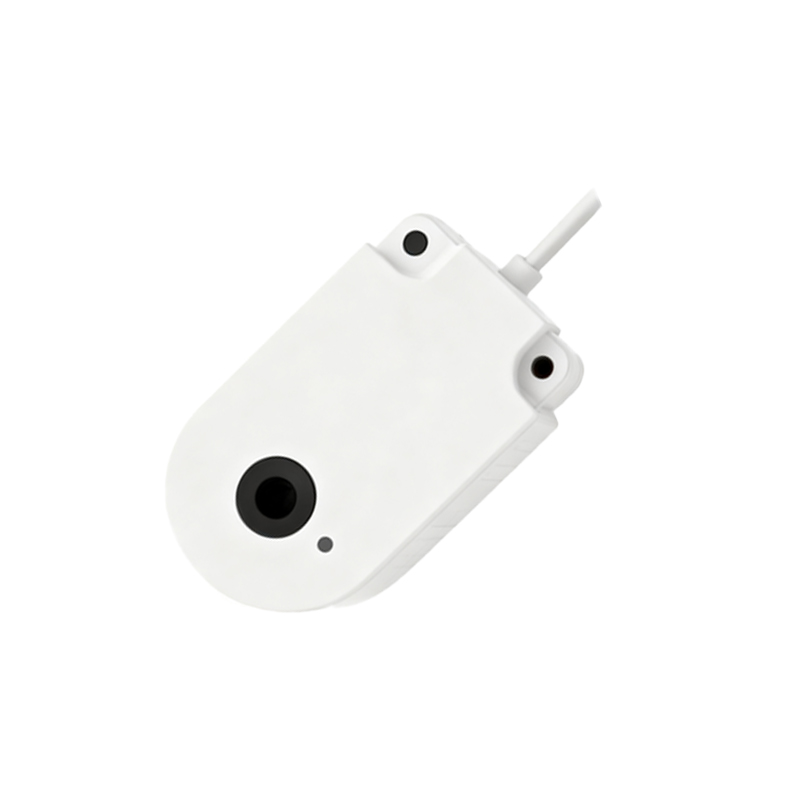
Limited or non-compliant certifications can also indicate lower quality. While a sensor might function in a benign lab setting, a lack of recognized certifications for EMC, safety (e.g., UL, CE), or specific industry standards (e.g., FDA materials for food and beverage) suggests it may not be suitable or reliable for harsh industrial applications. Finally, poor documentation, unclear datasheet specifications (e.g., vague statements about temperature influence or repeatability), and lack of technical support from the manufacturer are indirect but important indicators of an inferior product.
In practice, evaluating a sensor involves both specification review and hands-on testing. Always scrutinize the datasheet for key parameters: nominal sensing distance, hysteresis, repeatability, temperature range, supply voltage range, and protection ratings. Bench testing under simulated or actual operating conditions is invaluable. Test for stability over time, response to temperature cycles, and behavior in the presence of known sources of interference. Monitor the output signal with an oscilloscope to check for noise and clean switching.
In conclusion, the quality of a capacitive proximity sensor is defined by its performance stability, environmental robustness, noise immunity, and construction integrity. Investing time in selecting a high-quality sensor from a reputable manufacturer pays significant dividends in reduced downtime, lower maintenance costs, and enhanced system reliability. By focusing on the technical specifications, build quality, and real-world performance, engineers can effectively distinguish between a superior sensor that will provide years of dependable service and a subpar unit that becomes a persistent source of operational issues.