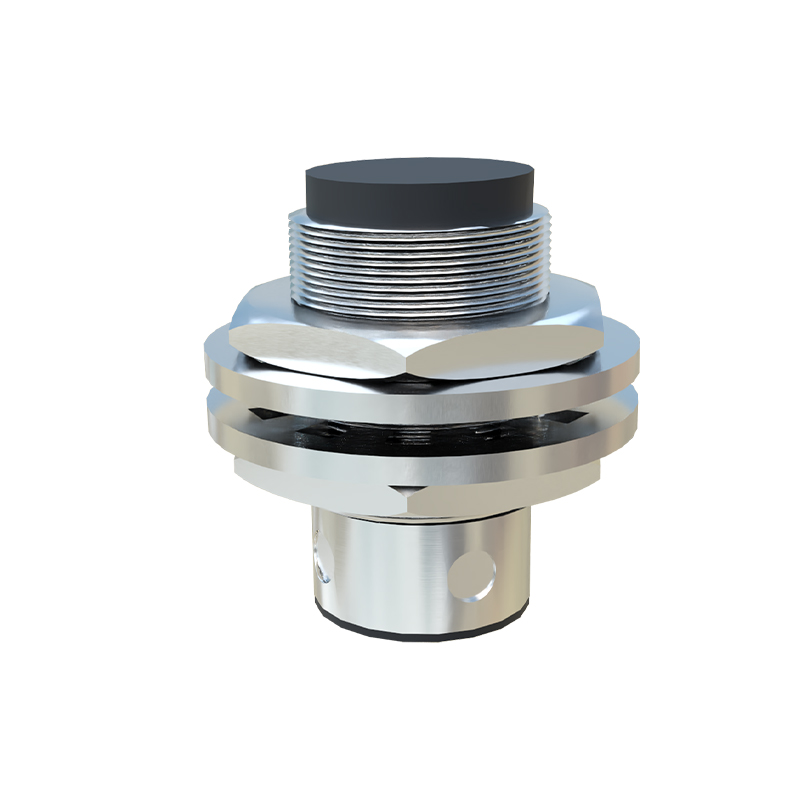
In the realm of industrial automation, the demand for robust and precise sensing solutions is paramount. Among the myriad of components that drive modern manufacturing and processing systems, the original M12 proximity switch sensor stands out as a critical element for ensuring operational efficiency and safety. These sensors, characterized by their standardized M12 threaded cylindrical housing, are engineered to detect the presence or absence of objects without physical contact, leveraging electromagnetic fields, capacitive changes, or inductive principles. The term "original" signifies genuine products from established manufacturers, which adhere to stringent quality controls and performance specifications, distinguishing them from counterfeit or substandard alternatives.
The design of an original M12 proximity sensor typically incorporates a compact form factor, with a diameter of 12 millimeters, making it suitable for space-constrained applications. Its threaded body allows for easy installation and secure mounting in harsh industrial environments, where exposure to dust, moisture, vibrations, and temperature fluctuations is common. These sensors are often rated with IP67 or higher ingress protection, ensuring durability against water and particulate intrusion. The sensing range varies depending on the type—inductive sensors for metallic objects, capacitive for non-metallic materials, and magnetic for specific ferrous targets—each tailored to specific operational needs.
Performance-wise, original M12 proximity switches offer high repeat accuracy and fast response times, crucial for high-speed automation lines where milliseconds impact throughput. They operate on low voltage DC supplies, commonly 10-30V DC, and provide digital output signals (PNP or NPN) that interface seamlessly with programmable logic controllers (PLCs) and other control systems. The reliability of these sensors reduces downtime and maintenance costs, as they are less prone to false triggers or wear compared to mechanical switches. Moreover, features like short-circuit protection, reverse polarity protection, and LED status indicators enhance their usability and safety in complex setups.
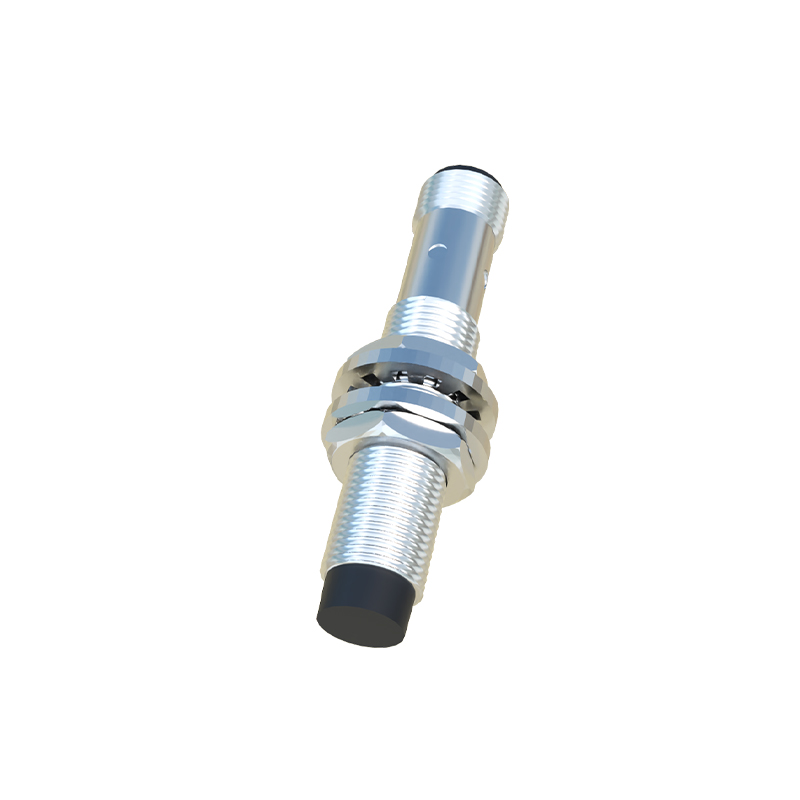
Applications of original M12 proximity sensors span diverse sectors, including automotive assembly, packaging machinery, material handling, robotics, and food processing. In automotive plants, they detect part positions on conveyor belts; in robotics, they ensure precise end-effector alignment; and in food industry, their hygienic designs prevent contamination. The use of genuine components guarantees compatibility with industry standards such as IEC 60947-5-2, ensuring interoperability and long-term support.
However, selecting an original M12 proximity sensor requires careful consideration of factors like sensing distance, output type, housing material (often nickel-plated brass or stainless steel), and environmental ratings. It is advisable to source from authorized distributors or direct manufacturers to avoid counterfeit products that may compromise system integrity. In summary, original M12 proximity switch sensors are indispensable tools in industrial automation, offering a blend of precision, durability, and reliability that underpins modern smart factories and efficient production processes.