Proximity sensors are indispensable components in modern industrial automation, providing non-contact detection of objects within a defined range. These devices are crucial for enhancing efficiency, safety, and precision in manufacturing processes. Unlike mechanical switches, proximity sensors operate without physical contact, thereby reducing wear and tear and increasing reliability. They are widely used across various industries, including automotive, packaging, material handling, and robotics.
There are several primary types of proximity sensors, each based on different sensing principles. Inductive proximity sensors are designed to detect metallic objects. They generate an electromagnetic field and sense changes caused by metallic targets. These sensors are highly durable and ideal for harsh industrial environments involving oil, coolant, or dust. Common applications include position sensing of metal parts, counting metallic objects on conveyor belts, and detecting the presence of tools in machinery.
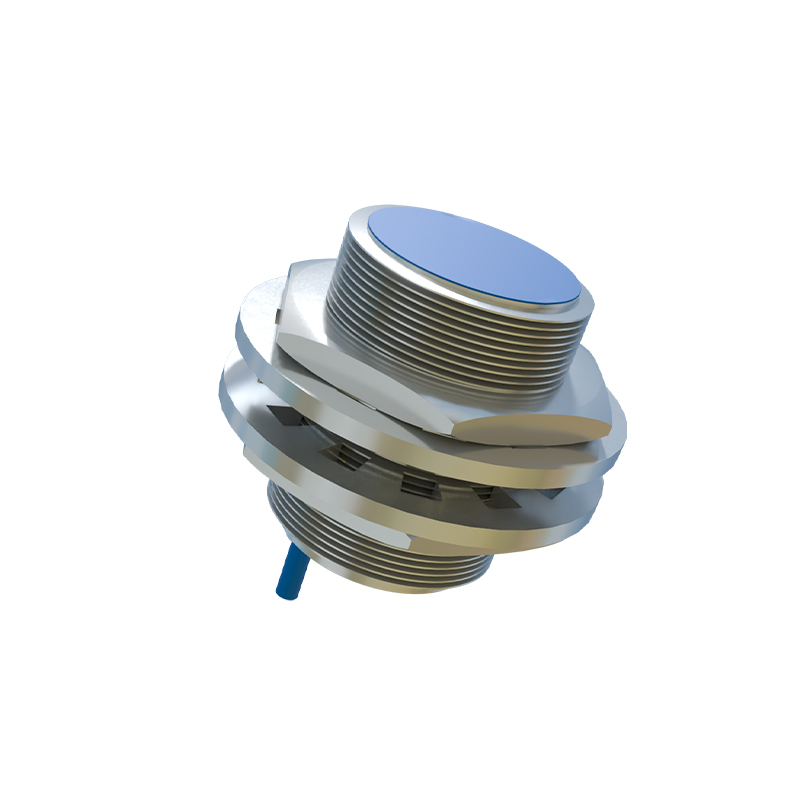
Capacitive proximity sensors, on the other hand, can detect both metallic and non-metallic materials, such as plastics, glass, liquids, and granular substances. They function by measuring changes in capacitance between the sensor and the target object. This versatility makes them suitable for level detection in tanks, presence sensing of packaged goods, and monitoring material composition. However, they can be sensitive to environmental factors like humidity and temperature variations.
Ultrasonic proximity sensors utilize sound waves to detect objects. They emit high-frequency ultrasonic pulses and measure the time taken for the echo to return. These sensors are effective for detecting objects of various materials, shapes, and colors, and they can operate over longer distances compared to inductive or capacitive types. Typical uses include distance measurement, liquid level control, and object detection in challenging conditions where other sensors might fail.
Photoelectric sensors, though sometimes categorized separately, also serve proximity sensing functions. They use light beams (visible, infrared, or laser) to detect the presence or absence of objects. Through-beam, retro-reflective, and diffuse-reflective are common modes. They excel in long-range detection and can sense small or transparent objects, making them vital in packaging, bottling, and assembly line verification.
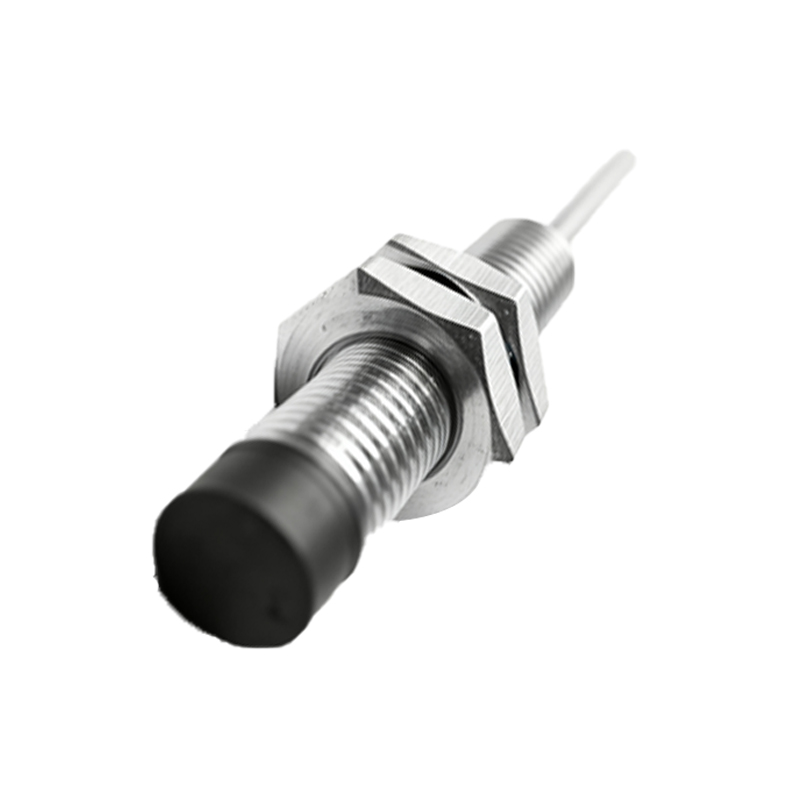
Selecting the appropriate proximity sensor requires careful consideration of several factors. The nature of the target material is paramount—inductive sensors for metals, capacitive for a broader range, ultrasonic for varied surfaces, and photoelectric for precise or non-solid detection. The sensing distance, often specified as nominal or effective range, must match the application requirements. Environmental conditions such as temperature extremes, exposure to chemicals, moisture, or electrical noise can influence sensor performance and longevity. Output configuration (e.g., NPN, PNP, analog, or digital) must be compatible with the control system, typically a PLC. Additionally, housing design (cylindrical, rectangular, etc.) and mounting options should suit the installation space and mechanical stresses.
Installation and maintenance practices significantly impact sensor reliability. Proper alignment, avoiding sensor collision, and ensuring stable power supply are essential. Regular calibration and cleaning may be necessary, especially for ultrasonic or photoelectric sensors susceptible to contamination. Adherence to manufacturer guidelines helps prevent false triggering and extends operational life.
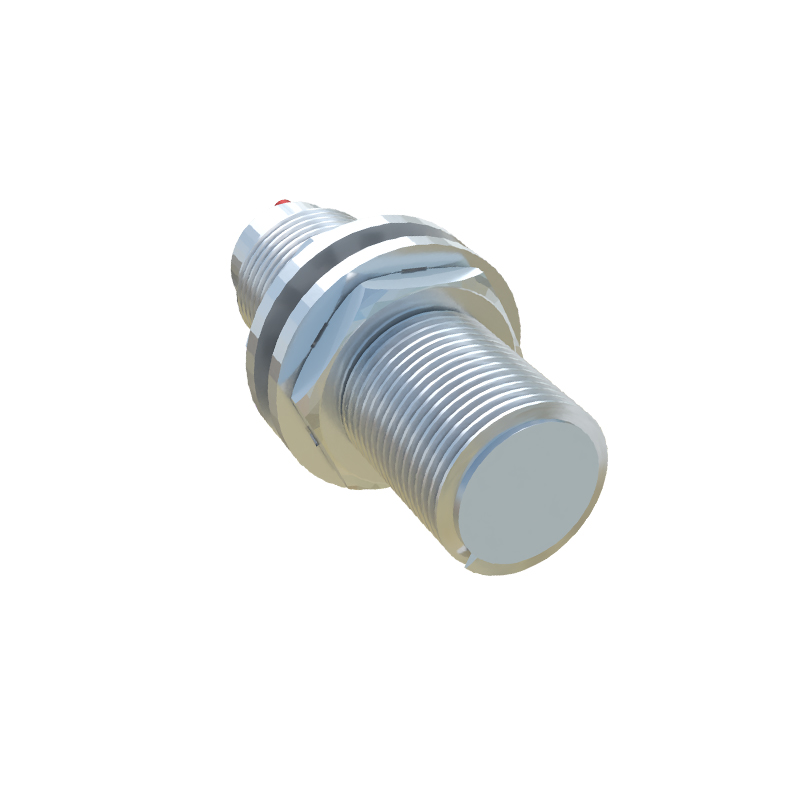
In conclusion, proximity sensors are vital for automated systems, offering diverse solutions for object detection. Understanding their operating principles, advantages, and limitations enables engineers to optimize selection and integration. As Industry 4.0 advances, smart sensors with IO-Link or Ethernet connectivity are becoming prevalent, providing enhanced diagnostics and data integration capabilities. By leveraging the right proximity sensor technology, industries can achieve higher productivity, improved quality control, and robust automation processes.