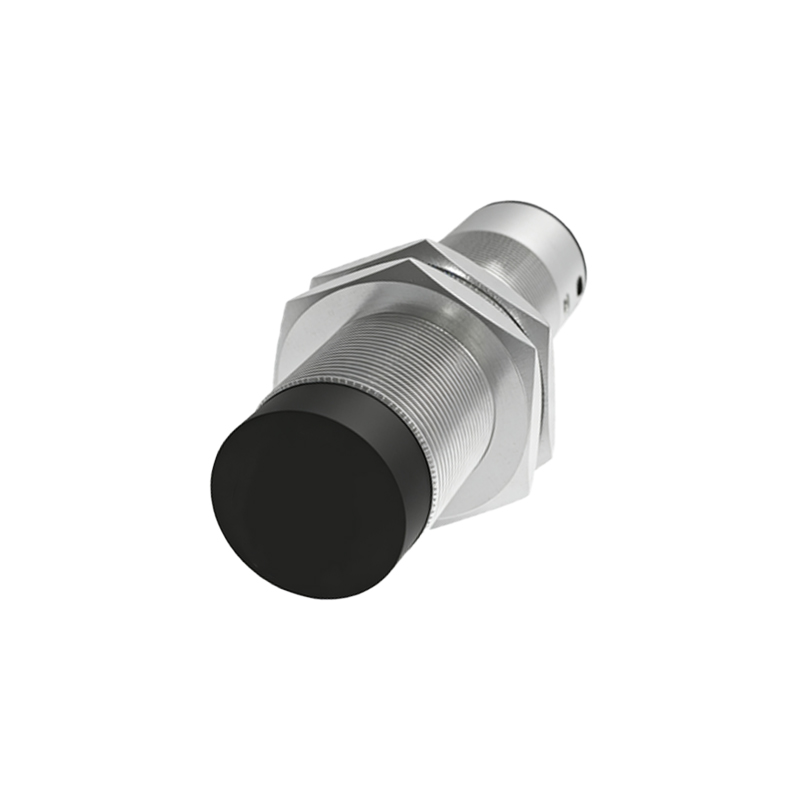
In industrial automation, proximity sensors play a critical role in detecting the presence or absence of objects without physical contact. This guide, accompanied by a detailed testing video, provides a comprehensive overview of how to properly evaluate and validate proximity sensor performance in real-world settings. The video demonstration covers inductive, capacitive, and ultrasonic proximity sensors, highlighting key testing methodologies that ensure reliability and accuracy.
The testing process begins with environmental setup. Factors such as temperature, humidity, and electromagnetic interference can significantly impact sensor functionality. In the video, a controlled environment is established to mimic typical industrial conditions, with sensors mounted on a test rig that simulates repetitive motion. The first test focuses on sensing range verification. Using calibrated targets, the video shows how to measure the maximum and minimum detection distances, comparing them to manufacturer specifications. This step is crucial for applications like conveyor belt systems or robotic arms, where precise positioning is essential.
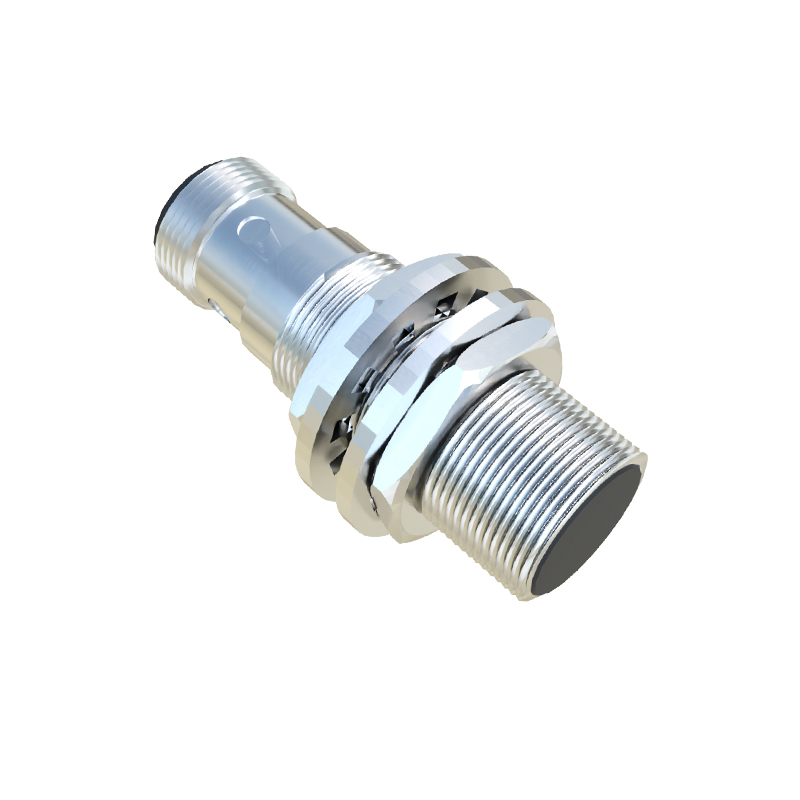
Next, the video demonstrates response time testing. A high-speed camera captures the sensor's reaction to a moving target, calculating the delay between detection and signal output. This metric is vital for high-speed production lines where even millisecond delays can cause inefficiencies. The video also explains how to use an oscilloscope to analyze output waveforms, identifying any anomalies such as signal bounce or noise interference.
Durability testing is another key segment. Proximity sensors in harsh environments—like manufacturing plants with dust, moisture, or vibration—must withstand continuous operation. The video showcases cyclic endurance tests, where sensors undergo thousands of actuations to assess wear and longevity. Additionally, it covers ingress protection (IP) rating validation by exposing sensors to water and dust, ensuring they meet industry standards like IEC 60529.
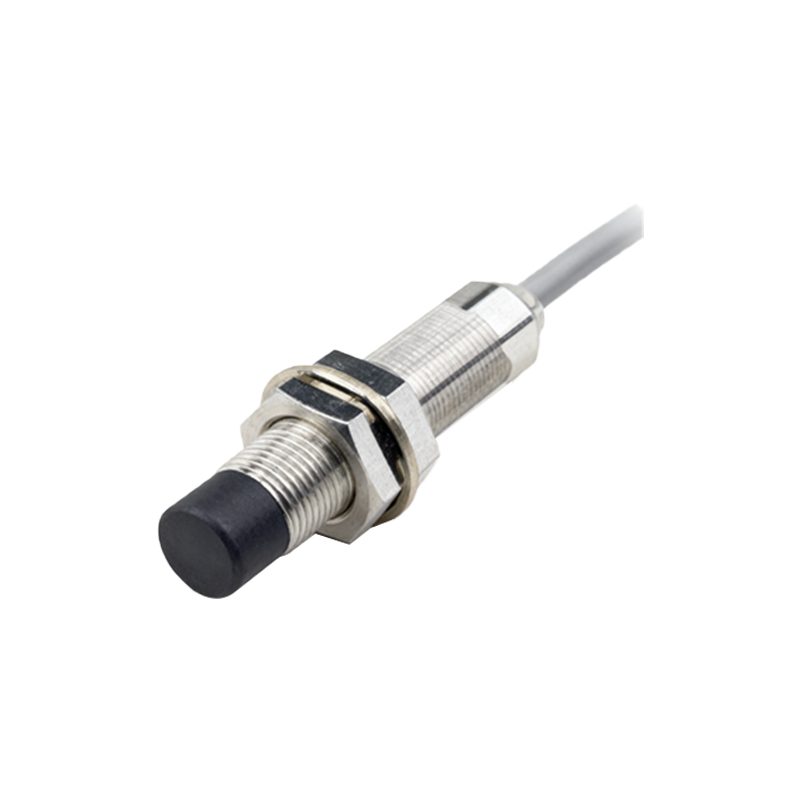
The final part of the video addresses troubleshooting common issues. Examples include false triggering due to metal debris or misalignment, and solutions like adjusting sensitivity settings or installing shielding. Real-time data logging is used to monitor sensor performance over extended periods, helping predict maintenance needs. The guide emphasizes that regular testing, as shown in the video, reduces downtime and enhances system safety.
In conclusion, this testing video serves as a practical resource for engineers and technicians. By following standardized procedures, professionals can optimize sensor selection, installation, and maintenance, ultimately improving operational efficiency in automation projects. The visual approach makes complex concepts accessible, bridging the gap between theoretical knowledge and hands-on application.