In the realm of industrial automation and control systems, the non-contact proximity switch sensor stands as a cornerstone technology, enabling precise, reliable, and wear-free detection of objects. Unlike mechanical limit switches that require physical contact, these sensors operate on the principle of detecting the presence or absence of a target object without any direct touch. This fundamental characteristic grants them superior longevity, high-speed operation, and the ability to function in harsh environments where contamination, vibration, or physical impact would degrade conventional switches.
The operational principle varies based on the core technology employed. The most prevalent types include inductive, capacitive, and magnetic (reed or Hall effect) proximity sensors. Inductive proximity switches are the workhorses for detecting metallic objects, primarily ferrous metals like steel and iron. They generate an oscillating electromagnetic field from a coil in the sensor head. When a conductive metal target enters this field, it induces eddy currents within the target, which in turn dampens the oscillation. The sensor's internal circuitry detects this change in amplitude or frequency and triggers a solid-state output switch. Their sensing range is relatively short, typically a few millimeters to several tens of millimeters, and is influenced by the target metal's properties and size.
Capacitive proximity sensors, on the other hand, can detect both metallic and non-metallic materials, including liquids, plastics, glass, and wood. They function by generating an electrostatic field. Any object that enters this field alters the capacitance of the system. The sensor monitors this capacitance change; when it exceeds a preset threshold, the output state switches. This makes them ideal for applications like level detection of liquids or granular materials, or detecting non-metallic containers on a conveyor line. Their sensing range is generally comparable to inductive types but can be adjusted for different material types.
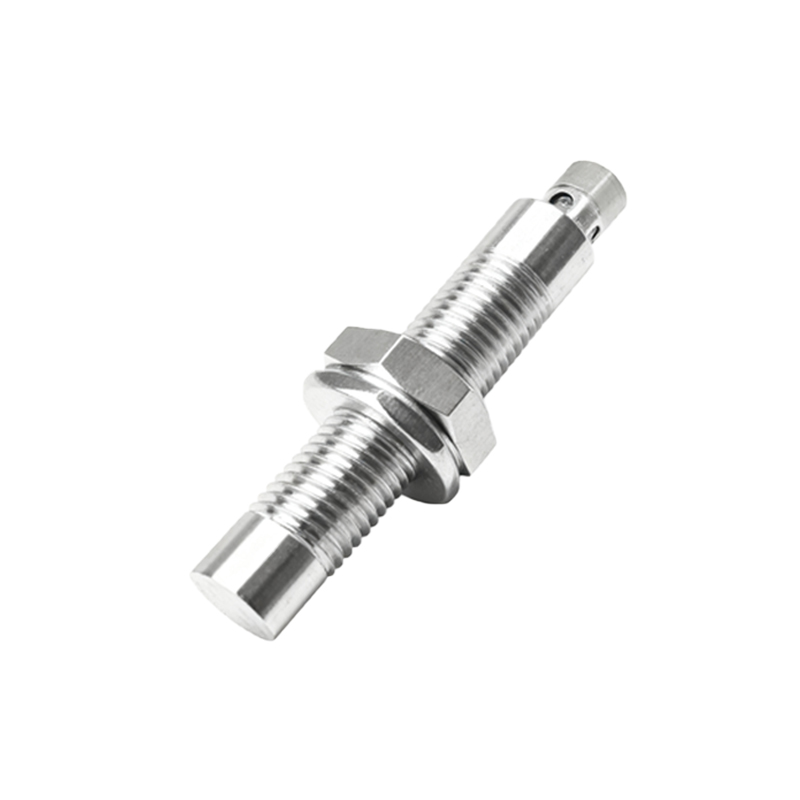
Magnetic proximity switches detect the presence of a permanent magnet. Reed switch types contain two ferromagnetic reeds sealed in a glass tube. When a magnet approaches, the reeds magnetize and attract each other, closing the contact. Hall effect sensors use a semiconductor element that produces a voltage difference (the Hall voltage) when exposed to a magnetic field. This voltage is processed to switch the output. These sensors are extremely reliable for position sensing, such as in cylinder position feedback or door/window security systems, and are immune to dust, dirt, and non-ferrous debris.
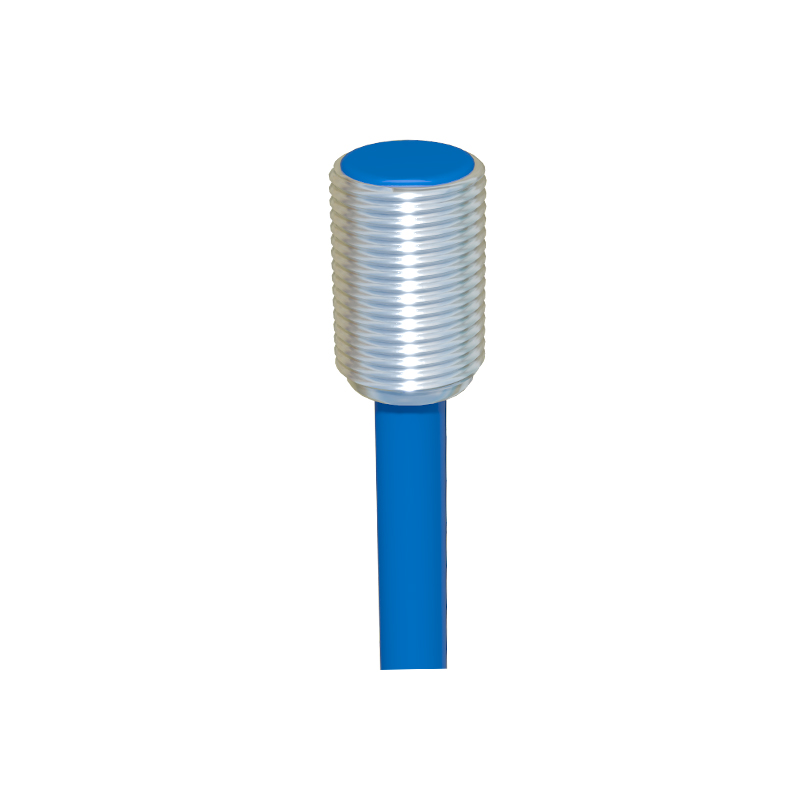
The output of a modern non-contact proximity sensor is typically a solid-state NPN or PNP transistor (sourcing or sinking) for DC models, or a triac for AC models. This provides a clean, bounce-free electrical signal compatible with Programmable Logic Controllers (PLCs), counters, and other control devices. Key selection parameters beyond sensing type include sensing distance, supply voltage, output configuration, housing material (often nickel-plated brass or stainless steel for robustness), and environmental ratings like IP67 or IP69K for protection against water and dust ingress.
The applications are vast and critical across manufacturing. On assembly lines, they count products, verify part presence, or control robotic pick-and-place operations. In machine tools, they provide precise positional feedback for slides and spindles. They are indispensable in packaging machinery for detecting fill levels, cap placement, and label position. Within the automotive industry, they ensure correct part positioning in welding and assembly robots. Their non-contact nature makes them perfect for detecting fragile items that could be damaged by a mechanical switch.
Installation and maintenance are straightforward but require attention to detail. Proper mounting, ensuring the correct target material and size, and maintaining adequate clearance from metal surroundings (to prevent flanking interference) are crucial for reliable operation. Unlike mechanical switches, they have no moving parts to wear out, leading to virtually maintenance-free service life, limited only by the electronic components. However, they can be susceptible to electrical noise in certain environments, necessitating proper shielding and grounding.
In conclusion, non-contact proximity switch sensors are fundamental components that enhance efficiency, reliability, and precision in automated systems. By understanding the distinct principles of inductive, capacitive, and magnetic types, engineers can select the optimal sensor for specific material detection tasks. Their durability, speed, and versatility ensure they will remain a pivotal technology in the ongoing advancement of industrial automation, smart manufacturing, and the Industrial Internet of Things (IIoT).