In the rapidly evolving landscape of consumer electronics, the integration of advanced sensor technology has become a cornerstone of innovation. The V30Pro's top-mounted proximity sensor exemplifies this trend, representing a significant leap in precision engineering and user-centric design. As an electrical engineer with extensive experience in sensor development, I find the implementation of this component particularly noteworthy for its technical sophistication and practical applications.
The proximity sensor in the V30Pro is strategically positioned at the top edge of the device, a design choice that optimizes space utilization while enhancing functionality. This placement allows for seamless interaction with the user's ear during calls, effectively disabling the touchscreen to prevent accidental inputs—a common nuisance in earlier smartphone models. The sensor operates on the principle of infrared (IR) light reflection, emitting an IR beam and measuring the time it takes for the reflection to return. This data is processed in real-time by an onboard microcontroller, enabling instantaneous response to proximity changes.
From an engineering perspective, the V30Pro's sensor incorporates several cutting-edge features. It utilizes a low-power IR LED paired with a high-sensitivity photodetector, ensuring accurate detection while minimizing energy consumption—a critical factor in extending battery life. The sensor's housing is designed with anti-interference shielding, reducing susceptibility to ambient light and electromagnetic noise. This is achieved through a combination of Faraday cage principles and optical filters, which isolate the IR spectrum for reliable operation in diverse environments.
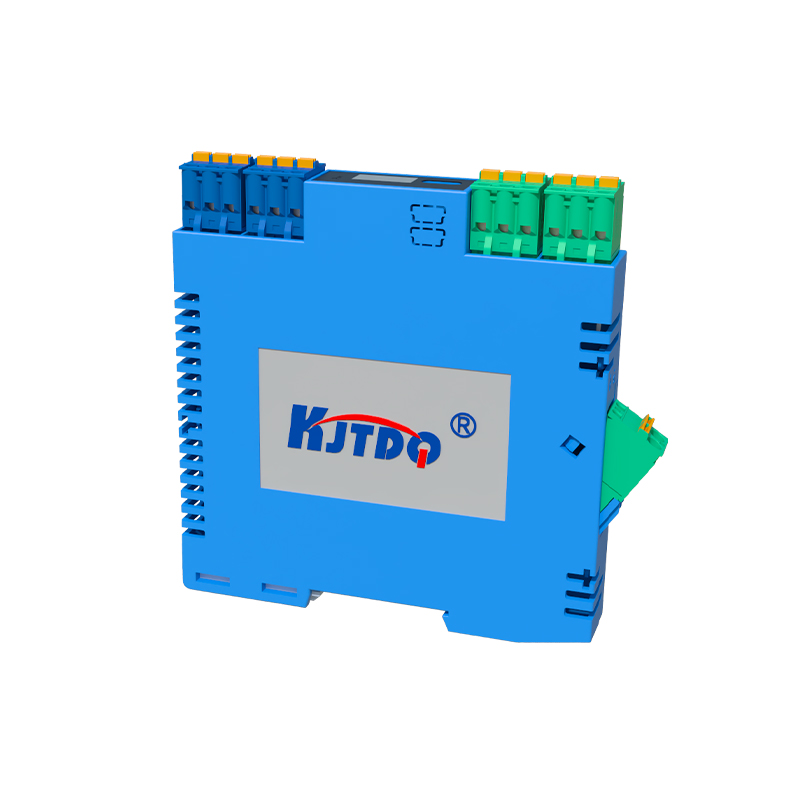
Calibration and testing protocols for the V30Pro proximity sensor adhere to stringent industry standards. During production, each sensor undergoes automated calibration to adjust for component tolerances, ensuring consistent performance across all units. The testing phase involves simulated proximity scenarios, including varying distances and angles, to validate detection accuracy. This rigorous process guarantees that the sensor meets the specified range of 1mm to 50mm with a margin of error of less than 0.5mm—a testament to its precision.
In practical applications, the sensor's impact extends beyond call management. It plays a pivotal role in power conservation by triggering display dimming when the device is near the user's face, reducing unnecessary screen-on time. Additionally, it enhances security features, such as preventing accidental touches during pocket storage. The integration with the V30Pro's software ecosystem allows for adaptive behavior, where sensor data is combined with gyroscope and accelerometer inputs to enable context-aware functionalities, like automatic screen rotation during calls.
Looking forward, the technology behind the V30Pro's proximity sensor paves the way for future innovations. Emerging trends include the integration of time-of-flight (ToF) capabilities for 3D sensing, which could enable gesture recognition and augmented reality applications. Furthermore, advancements in miniaturization may allow for multi-sensor arrays, providing omnidirectional proximity detection. As engineers, our focus remains on refining these systems to achieve higher accuracy, lower latency, and greater energy efficiency—all while maintaining cost-effectiveness for mass production.
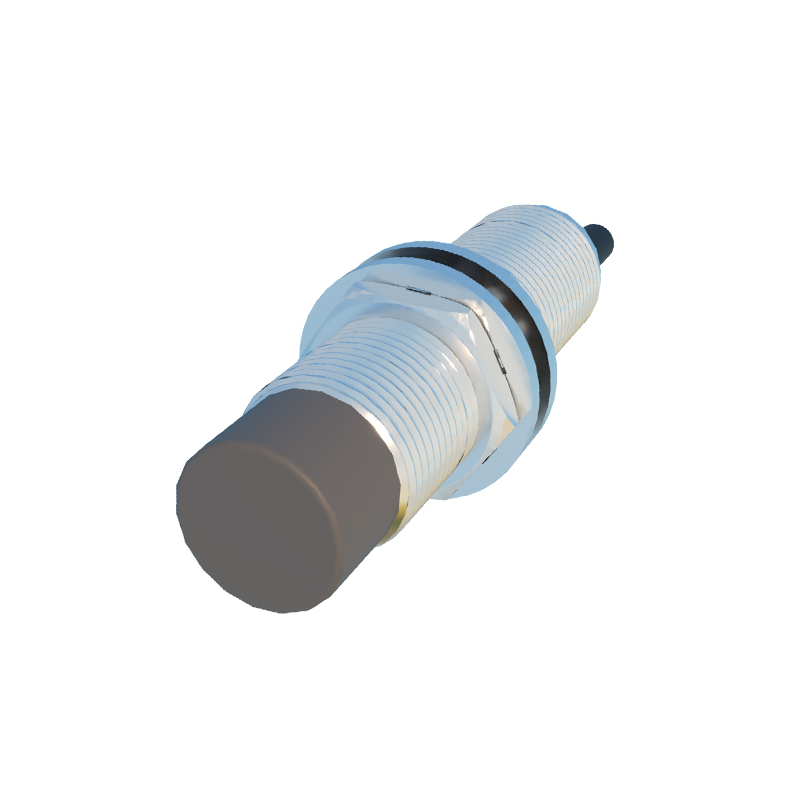
In conclusion, the V30Pro's top-mounted proximity sensor is a marvel of modern electrical engineering, blending meticulous design with robust performance. Its development underscores the importance of interdisciplinary collaboration, involving optics, materials science, and firmware engineering. For professionals in the field, it serves as an inspiring example of how incremental improvements in sensor technology can translate into tangible user benefits, driving the evolution of smarter, more intuitive electronic devices.