In demanding industrial settings where exposure to corrosive agents, moisture, and extreme temperatures is commonplace, standard proximity sensors often fail prematurely, leading to costly downtime and maintenance. Corrosion-resistant proximity sensors are engineered specifically to withstand these aggressive conditions, ensuring reliable operation in industries such as chemical processing, marine applications, food and beverage production, and wastewater treatment. This article delves into the key models, technologies, and selection criteria for these robust sensing solutions.
The fundamental technology behind most corrosion-resistant proximity sensors remains inductive, capacitive, or magnetic principles. However, their durability stems from specialized construction. Enclosures are typically crafted from high-grade stainless steel (such as 316L or 304), often with a polished finish to resist adhesion and facilitate cleaning. Critical areas like sensing faces and cable outlets are sealed using advanced techniques, achieving ingress protection ratings like IP67, IP68, or IP69K, which guarantee resistance against dust, high-pressure water jets, and temporary immersion. For particularly harsh chemical environments, models featuring housings coated with PTFE (Teflon) or PVDF (Kynar) offer exceptional resistance to a wide range of acids, alkalis, and solvents.
Several prominent model series dominate the market. For instance, the Series CRS-316 from leading manufacturers exemplifies a standard inductive sensor with a solid 316L stainless steel body, suitable for general corrosive atmospheres. Its compact design allows for installation in tight spaces on machinery. For applications requiring frequent washdowns, such as in food packaging, the Model FBP-XT series stands out. These sensors not only boast an IP69K rating but also feature FDA-compliant materials and a smooth, crevice-free surface to prevent bacterial growth. In environments with strong electromagnetic interference or where non-metallic target detection is needed, Capacitive Model CRS-PT with a PTFE-coated front face provides reliable detection of liquids, plastics, and granular materials through tank walls.
For submerged or extremely wet applications, such as pump control or sea-level monitoring, Submersible Proximity Switches like the AQUA-SENSE line are critical. These models often incorporate double-sealed cables and pressure-compensated diaphragms to handle deep water pressures. Another innovative category is the All-Welded Hermetic Series (HERM-2000), where the internal electronics are completely sealed within a welded stainless-steel capsule, eliminating any potential leak paths through epoxy seals or gaskets. This design is paramount in offshore oil and gas platforms or chemical reactors.
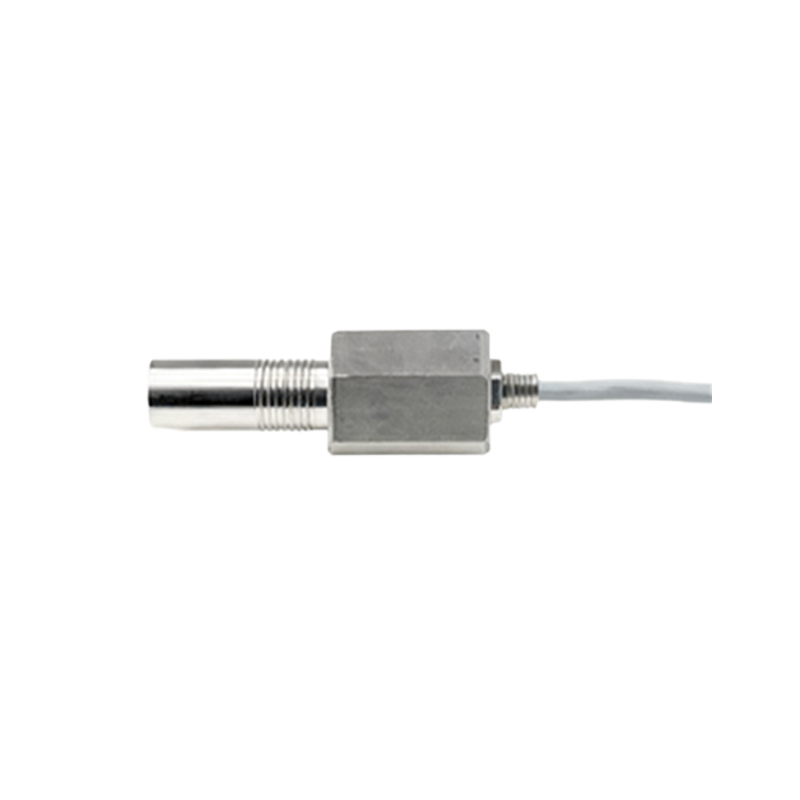
Selecting the appropriate model requires a thorough analysis of the operating environment. Key factors include:
1. Chemical Exposure: Identify specific corrosive agents (e.g., chlorine, salt spray, sulfuric acid) and their concentrations to match the housing and seal material.
2. Physical Stress: Consider temperature ranges, potential for mechanical impact, and the need for high-pressure washdowns.
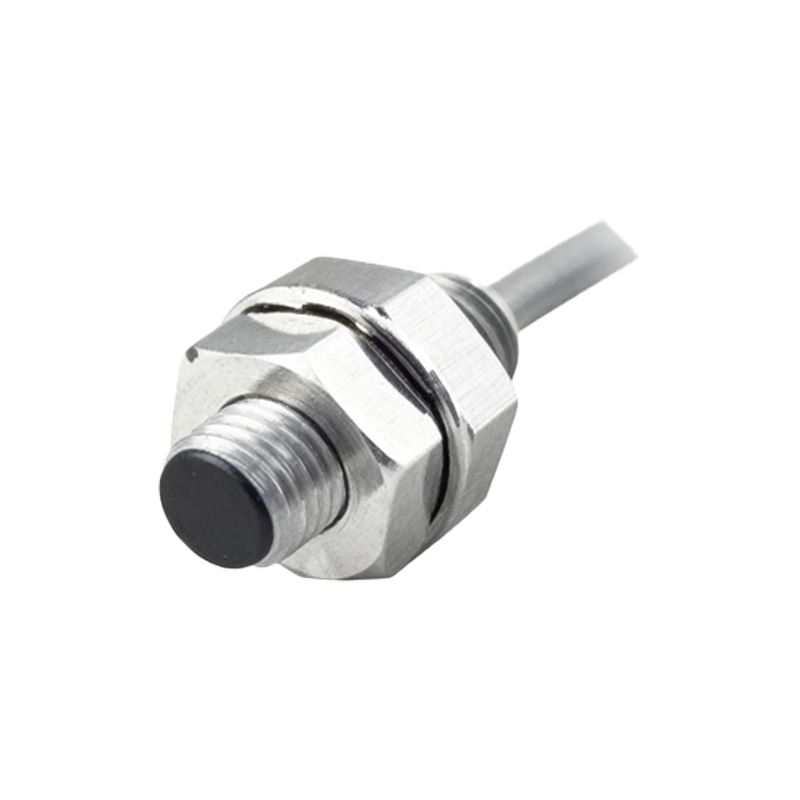
3. Electrical Requirements: Choose the correct output type (PNP/NPN, analog, IO-Link), voltage range, and connection method (pre-wired cable or quick-disconnect).
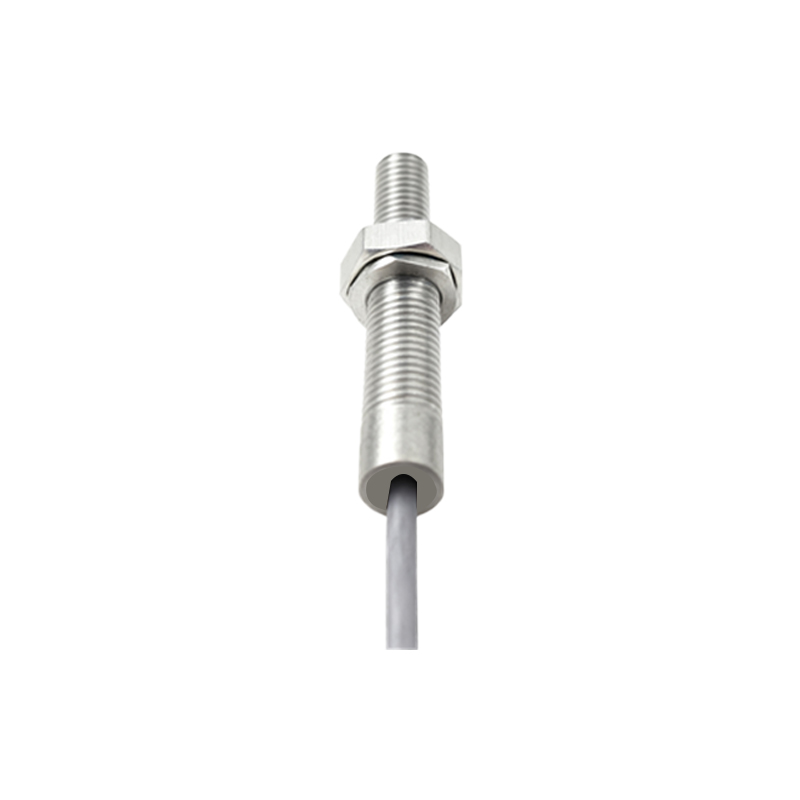
4. Performance Specifications: Ensure the sensing distance, switching frequency, and target material compatibility meet the application's needs.
Installation and maintenance best practices further extend sensor life. Even corrosion-resistant models should be mounted to avoid direct pooling of liquids on the housing. Regular inspection of the cable gland integrity and the sensor face for buildup of contaminants is advised. Utilizing models with built-in diagnostics or IO-Link communication can provide predictive maintenance data, alerting operators to potential issues before a failure occurs.
In conclusion, investing in the right corrosion-resistant proximity sensor model is not merely a purchase but a strategic decision for operational integrity. By matching the sensor's construction—from its stainless-steel grade and polymer coating to its IP rating and sealing technology—to the specific harsh conditions of the application, engineers can achieve unparalleled reliability, reduce lifecycle costs, and maintain continuous production in the most challenging industrial environments. The evolution of these sensors continues, with trends pointing toward smarter, more integrated devices that offer not just durability but also rich data for Industry 4.0 analytics.