In the realm of industrial automation, proximity sensors play a pivotal role in enabling efficient, reliable, and safe operations. Among the various types available, inductive proximity sensors stand out for their robustness and precision in detecting metallic objects without physical contact. Gowin, as a recognized manufacturer in the sensor technology sector, offers a range of inductive proximity sensors designed to meet the rigorous demands of modern industrial environments. This article delves into the working principles, key features, and diverse applications of Gowin inductive proximity sensors, providing insights for engineers and industry professionals seeking to optimize their automation systems.
Inductive proximity sensors operate based on the principle of electromagnetic induction. At the core of these sensors is an oscillator circuit that generates a high-frequency electromagnetic field around the sensor's active face. When a metallic object enters this field, eddy currents are induced in the object, causing a change in the oscillation amplitude. This change is detected by the sensor's circuitry, which then triggers an output signal—typically a switching action—to indicate the presence of the object. Gowin sensors are engineered to excel in this process, offering high sensitivity and stability across various metals, including steel, aluminum, and copper. One of their standout features is the ability to operate in harsh conditions, such as those with dust, moisture, or temperature extremes, thanks to their sealed housing and durable construction.
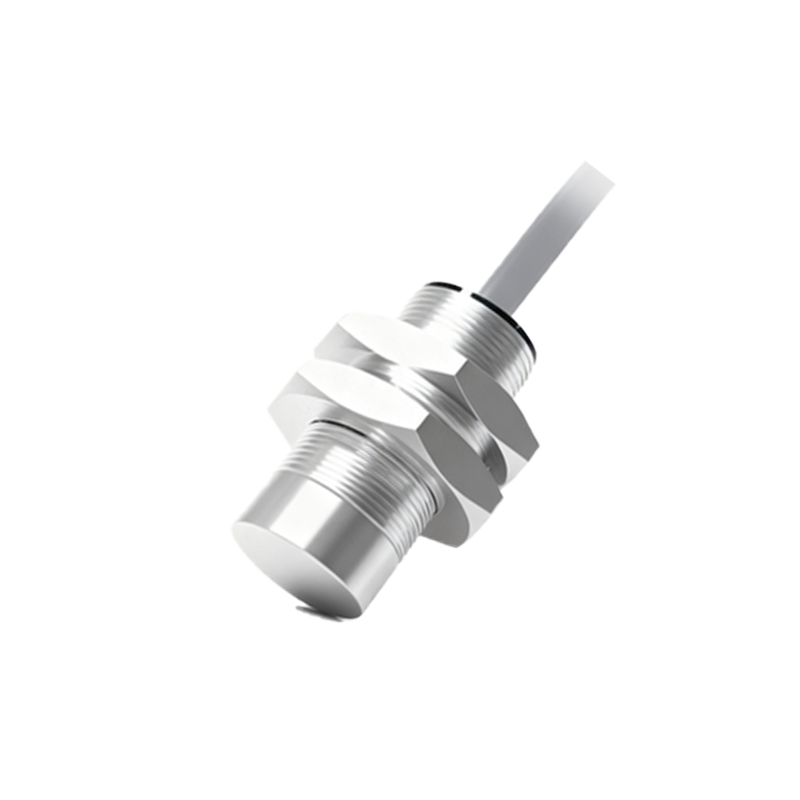
Gowin inductive proximity sensors come in multiple form factors, including cylindrical, rectangular, and ring-shaped designs, catering to different installation and space requirements. They are available in both shielded and unshielded versions. Shielded sensors can be flush-mounted in metal without affecting their detection range, making them ideal for compact setups, while unshielded sensors offer a longer sensing distance but require non-metallic surroundings. The sensing range varies from a few millimeters to several centimeters, depending on the model and target material. Additionally, Gowin incorporates advanced technologies like short-circuit protection, reverse polarity protection, and EMI resistance, ensuring longevity and minimal downtime in industrial applications. These sensors typically output signals in formats such as NPN, PNP, or analog, compatible with PLCs (Programmable Logic Controllers) and other control systems.
The applications of Gowin inductive proximity sensors are vast and span across numerous industries. In manufacturing and assembly lines, they are used for position detection, part counting, and end-of-travel monitoring. For instance, in automotive production, these sensors verify the presence of engine components or control robotic arm movements. In packaging machinery, they ensure precise filling levels by detecting metal containers. The food and beverage industry benefits from their hygienic, washdown-resistant models that comply with safety standards. Moreover, in material handling and logistics, Gowin sensors facilitate object sorting on conveyor belts and prevent collisions in automated guided vehicles (AGVs). Their reliability also makes them suitable for heavy-duty sectors like mining and construction, where they monitor equipment status and enhance safety protocols.
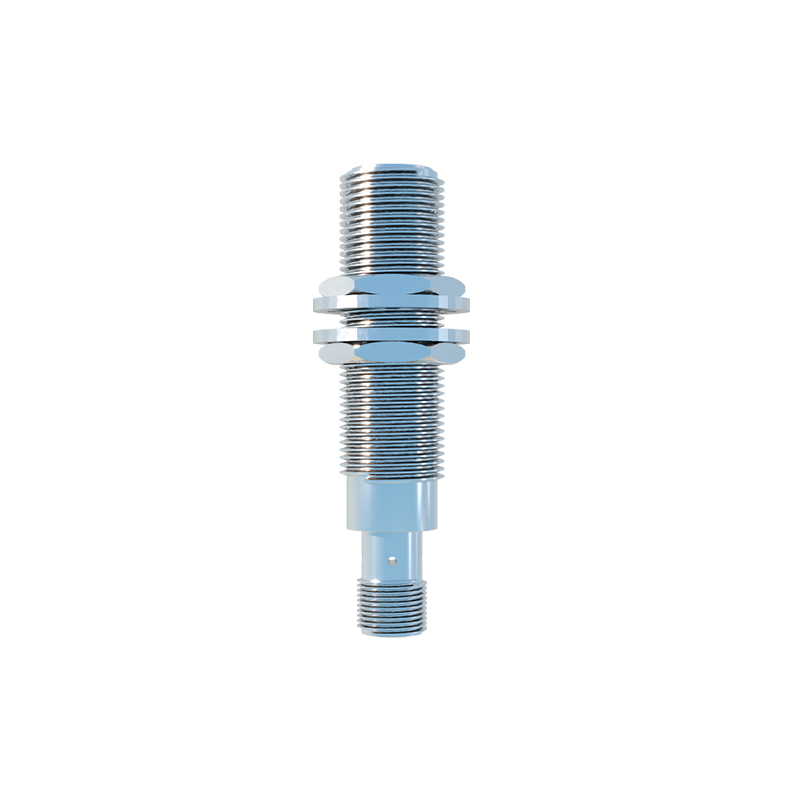
When selecting a Gowin inductive proximity sensor, engineers should consider factors such as the target material, required sensing distance, environmental conditions, and output type. Proper installation is crucial; aligning the sensor perpendicular to the target and avoiding interference from other metal objects can optimize performance. Regular maintenance, though minimal due to their non-contact nature, involves checking for physical damage or contamination. Gowin provides detailed datasheets and support to assist in integration, ensuring seamless adoption into existing systems.
In conclusion, Gowin inductive proximity sensors represent a fusion of advanced engineering and practical design, offering dependable solutions for industrial automation challenges. Their ability to detect metals accurately under tough conditions, coupled with versatile configurations, makes them a valuable asset for enhancing productivity and safety. As industries continue to evolve toward smarter, more connected operations, sensors like those from Gowin will remain integral to driving innovation and efficiency. By understanding their technology and applications, professionals can make informed decisions to leverage these tools effectively in their projects.