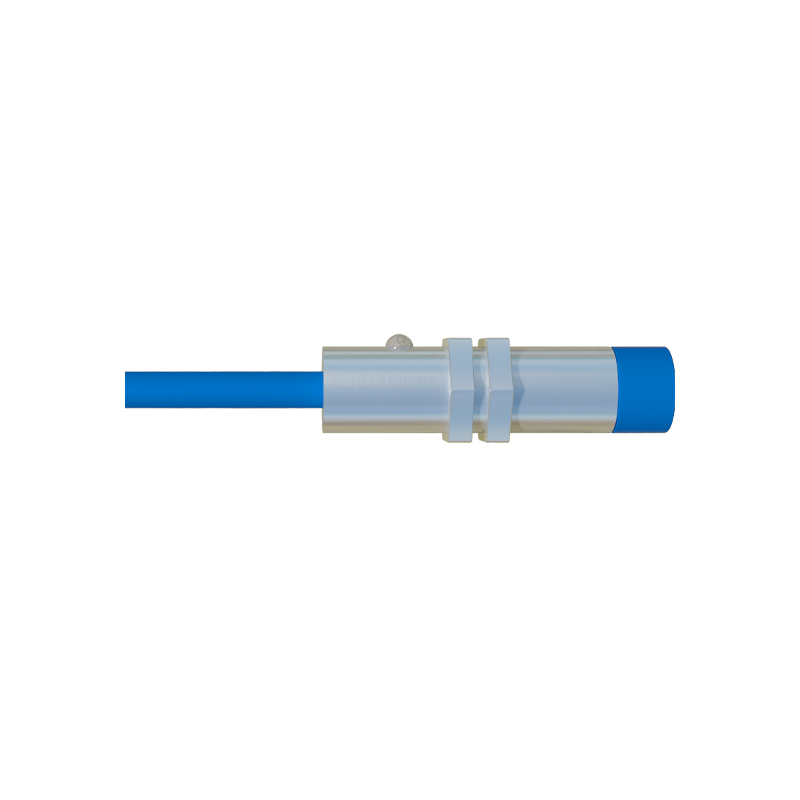
In industrial automation and machine safety systems, the precise positioning of a 20s proximity photoelectric sensor is paramount for reliable object detection, process control, and personnel protection. This type of sensor, often characterized by a 20-meter sensing range and a response time in the millisecond range, operates on the principle of emitting a light beam (typically infrared, laser, or visible red) and detecting its reflection or interruption. Incorrect placement can lead to false triggers, missed detections, and ultimately, system failures or safety hazards. This article provides a comprehensive, industry-focused guide on the optimal setup locations for a 20s proximity photoelectric sensor, considering environmental factors, application requirements, and installation best practices.
The primary determinant for sensor placement is the specific application. For long-range detection tasks, such as monitoring vehicle presence in a warehouse aisle or controlling crane movement, the sensor should be mounted on a stable, vibration-free structure, aligned parallel to the expected path of the target. Ensure the sensing beam's path remains unobstructed by stationary objects and is aimed at a point on the target that provides a consistent, detectable surface. The recommended installation height and angle depend on the target's size and approach trajectory. For instance, when detecting the height of stacked pallets, a vertically or diagonally oriented sensor from above is often effective.
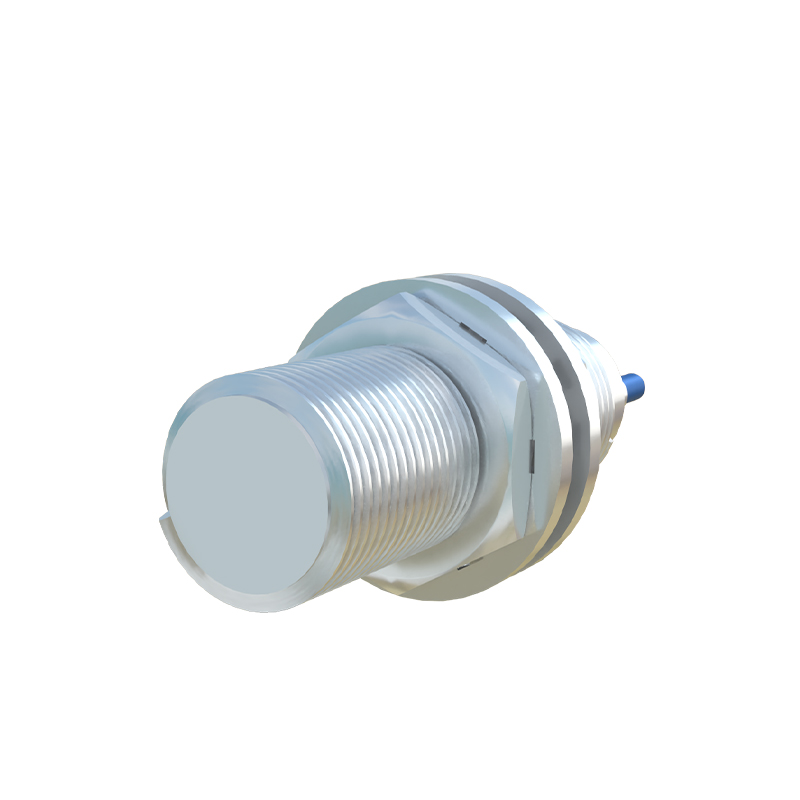
In conveyor belt systems for package counting, sorting, or jam detection, the sensor is typically positioned perpendicular to the belt's surface. The key is to place it at a distance where the beam reliably intercepts every object, even the smallest permissible item, without being triggered by the belt itself or its seams. A through-beam (opposed) setup, with separate emitter and receiver units on opposite sides of the belt, offers the highest reliability for this application, especially in dusty environments. For a reflective (retro-reflective or diffuse) sensor setup, mount it at an angle that minimizes specular reflection from shiny packaging and ensures the receiver captures sufficient light from the target.
Harsh industrial environments necessitate careful consideration. In areas with significant airborne dust, mist, or oil vapor, position the sensor away from direct sources of contamination. Using sensors with higher IP (Ingress Protection) ratings and mounting them in a downward-facing orientation can prevent the accumulation of particulates on the lens. For outdoor applications or areas with strong ambient light, select sensors with robust background suppression technology and install protective housings or sunshades to prevent false triggering from sunlight or other artificial light sources. The sensor should never be pointed directly at reflective surfaces like polished metal or windows unless specifically configured for such conditions, as this can cause erratic behavior.
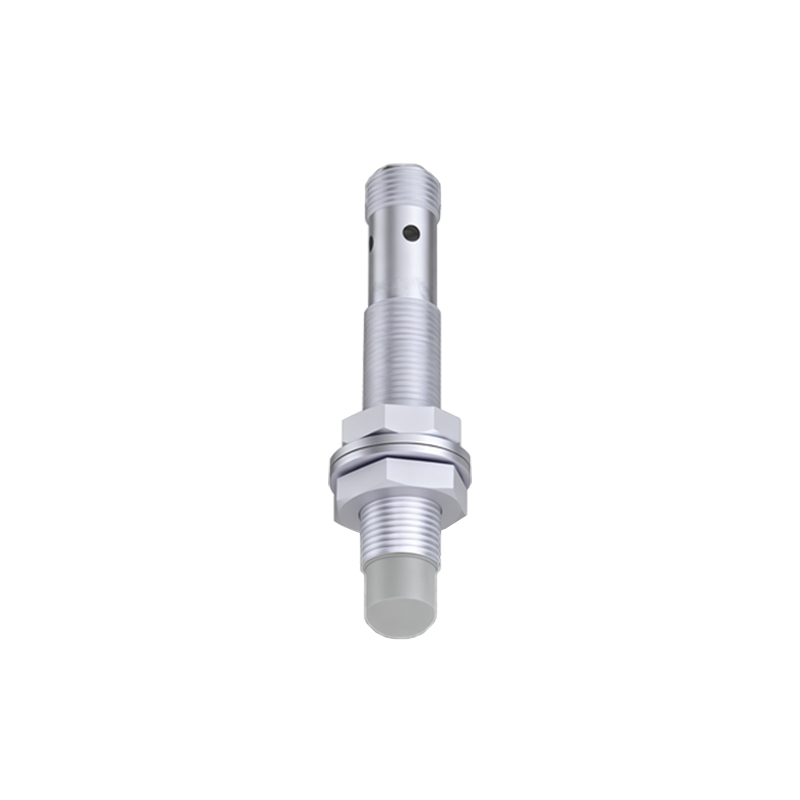
Electrical and mechanical installation integrity is crucial. Secure the sensor firmly using appropriate brackets to prevent misalignment due to machine vibration or accidental impact. Cable routing must follow standard industrial practices: use conduit or cable carriers, keep power cables separate from signal cables to avoid electromagnetic interference (EMI), and ensure strain relief at the sensor connection point. Always adhere to the manufacturer's specified operating voltage and wiring diagrams. For safety-critical applications, such as light curtains at the entrance to robotic cells, the positioning must comply with relevant standards (e.g., ISO 13855), which dictate minimum safe distances based on overall system stopping performance to prevent access to hazardous areas before machinery halts.
Finally, systematic testing and calibration are non-negotiable after installation. Use the actual target material under normal operating conditions to verify consistent detection. Adjust the sensor's sensitivity potentiometer or teach-in function to achieve a stable signal with an adequate margin, avoiding operation at the threshold limit. Implement regular maintenance schedules to clean lenses and check alignment, as even minor drift can degrade performance over time. By meticulously selecting the installation site based on a thorough analysis of the operational environment and target characteristics, engineers can ensure that a 20s proximity photoelectric sensor delivers the high reliability, accuracy, and longevity demanded in modern industrial settings.