In the relentless pursuit of seamless, immersive user experiences and maximized screen real estate, the integration of OLED under-display ultrasonic proximity sensors represents a significant technological leap. This innovation moves critical sensing functions entirely beneath the display panel, eliminating the need for notches, punch-holes, or bezels that traditionally house such components. The result is a truly continuous, all-screen front surface that enhances both aesthetics and functionality.
At its core, an OLED under-display ultrasonic proximity sensor operates by emitting high-frequency sound waves imperceptible to humans. These waves travel through the layers of the OLED display stack—including the polarizer, encapsulation, and thin-film transistor (TFT) array—and into the air in front of the screen. When an object, such as a user's face during a call or a hand in a gesture-controlled interface, enters the sensing field, it reflects a portion of these waves back towards the sensor. An array of piezoelectric transducers, meticulously integrated beneath the pixel matrix, detects these returning echoes. Sophisticated signal processing algorithms then analyze the time-of-flight and amplitude variations to precisely determine the presence, distance, and even the contour of the proximate object.
The technical challenges in developing this solution are formidable. OLED panels are complex, multi-layered structures that can attenuate and distort ultrasonic signals. Engineers must meticulously model the acoustic transmission properties of each layer—including the organic emissive materials, cathode, and various barrier films—to ensure sufficient signal strength passes through for reliable detection. This requires advanced materials engineering to develop display stacks with favorable acoustic transparency without compromising optical performance, longevity, or flexibility. Furthermore, the sensor's piezoelectric elements and associated circuitry must be miniaturized and patterned with extreme precision to avoid creating visible artifacts or "mura" effects that would degrade the display's uniform appearance. Power consumption and thermal management are also critical, as the sensor must operate continuously without adversely affecting the OLED's efficiency or lifespan.
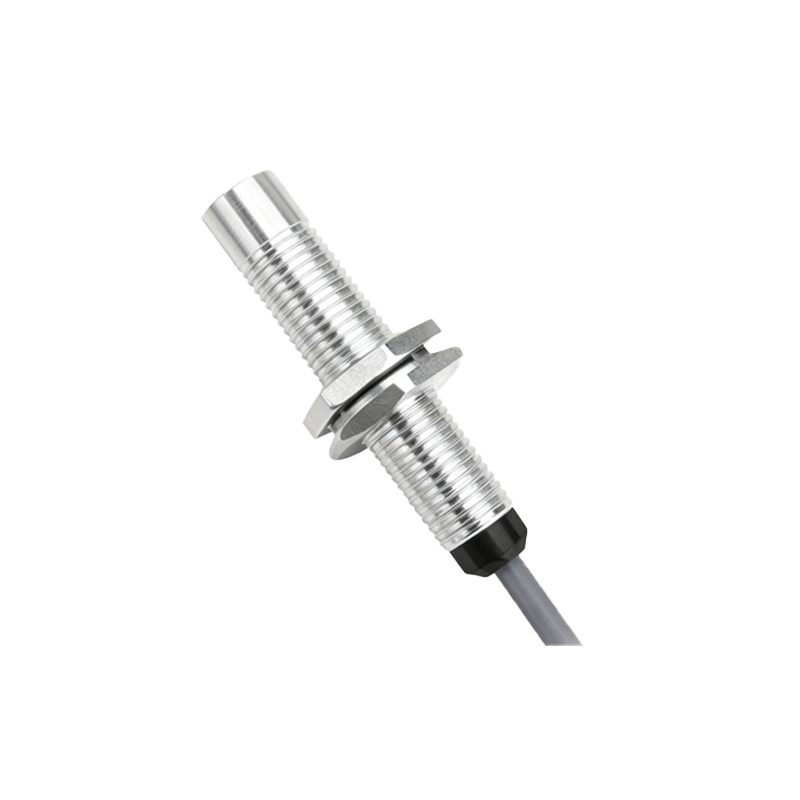
The applications extend far beyond the basic function of turning off the screen during a phone call to prevent accidental touches. This technology enables new paradigms in human-machine interaction. For instance, it can facilitate precise, non-contact gesture control for scrolling, gaming, or media playback, even when the device is in a pocket or bag. In automotive interiors, such sensors embedded in curved dashboard displays can detect a driver's hand approaching to activate context-sensitive controls, enhancing safety by reducing visual distraction. For accessibility, it can provide touchless interfaces for users with motor impairments. The proximity data can also be fused with inputs from other under-display sensors, like fingerprint scanners or ambient light sensors, to create a more holistic and context-aware device intelligence.
Looking forward, the convergence of under-display ultrasonic sensing with flexible and foldable OLED technology presents an exciting frontier. Ensuring consistent sensor performance across the dynamic bending radii of foldable displays is an active area of R&D. Additionally, the potential for multi-functional ultrasonic arrays is being explored, where the same hardware could handle proximity sensing, fingerprint imaging, and even health monitoring by detecting subtle physiological movements like pulse waves. As material science and semiconductor fabrication techniques advance, we can expect these sensors to become more sensitive, energy-efficient, and cost-effective, accelerating their adoption beyond flagship smartphones into a wider array of consumer electronics, IoT devices, and industrial interfaces.
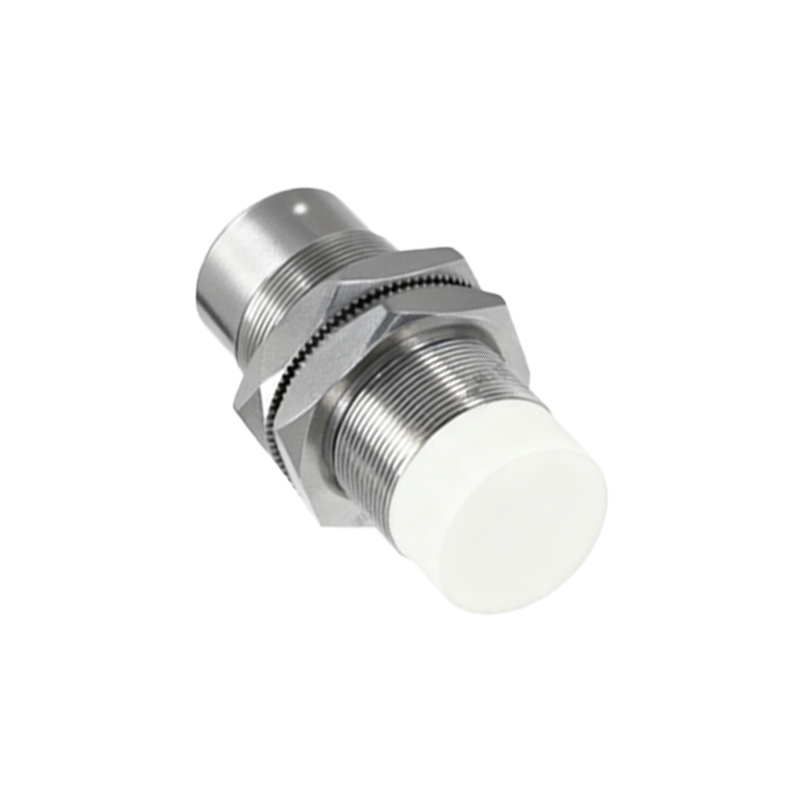
In conclusion, OLED under-display ultrasonic proximity sensors are more than just an incremental design improvement; they are a foundational technology enabling the next generation of invisible, intelligent interfaces. By dissolving the physical barriers between users and digital content, they pave the way for devices that are not only more beautiful but also more intuitive and responsive to our presence and intentions.