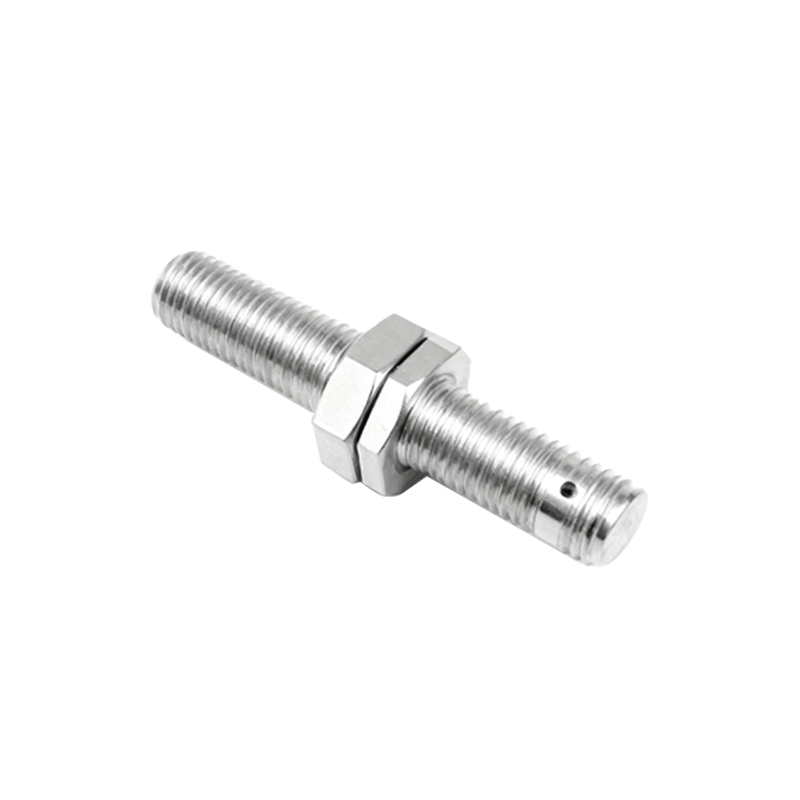
In the intricate ecosystem of a modern smartphone, numerous sensors work silently to enhance user experience, with the proximity sensor standing as a pivotal component. This small, often overlooked hardware element plays a critical role in enabling intuitive and energy-efficient interactions. Fundamentally, a proximity sensor detects the presence of nearby objects without any physical contact. In smartphones, it typically uses an infrared (IR) LED and an IR light detector. The IR LED emits a beam of infrared light. When an object, such as a user's ear or hand, comes close to the phone's screen during a call, this light is reflected back and detected by the sensor. The sensor then sends a signal to the processor, which triggers a predefined action.
The most ubiquitous application is during voice calls. When you bring the phone to your ear, the proximity sensor detects this and automatically turns off the display. This serves a dual purpose: it prevents accidental touch inputs from your cheek or ear from muting the call or pressing other buttons, and it conserves battery power by disabling the backlight of the screen unnecessarily. Once you move the phone away from your ear, the sensor detects the absence of the object and promptly turns the screen back on, allowing you to end the call or use the keypad seamlessly.
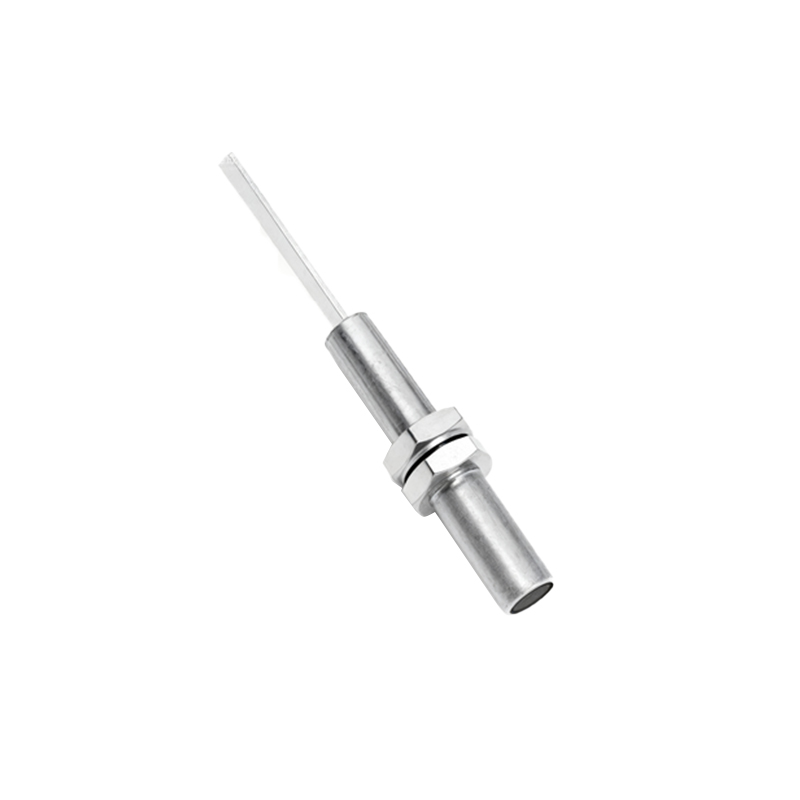
Beyond call management, proximity sensors have evolved to support various smart features. Many devices utilize them to enable "pocket mode" or "purse mode." When the sensor detects that the phone is in a dark, enclosed space like a pocket or bag, it can automatically increase the ringtone volume or prevent the screen from waking up due to accidental touches, thereby avoiding unintended actions like dialing emergency numbers. Some implementations also use the sensor to facilitate gesture controls. For instance, waving a hand over the sensor area while the screen is off might display notifications or the time, a feature popularized as "Air Gesture" or "Quick Glance."
From a technical standpoint, smartphone proximity sensors are primarily infrared-based, but some advanced variants use time-of-flight (ToF) principles or even ultrasonic waves for more precise distance measurement. The IR-based sensors are cost-effective and reliable for the typical short-range detection required in phones. They are usually calibrated during manufacturing to account for factors like the reflectivity of the phone's cover glass and ambient light conditions. Integration with other sensors, like the ambient light sensor, is common to improve accuracy. For example, in bright sunlight, the system might adjust the sensor's sensitivity to prevent false triggers.
The importance of the proximity sensor extends to user safety and device longevity. By ensuring the screen turns off during calls, it reduces unnecessary power drain, contributing to better battery life—a constant concern for users. Furthermore, it enhances accessibility. For individuals with visual impairments or motor difficulties, the automatic screen on/off function provides a more predictable and manageable interface. In rugged or industrial smartphone applications, robust proximity sensing can prevent damage by keeping the screen off in hazardous environments where contact with other materials is likely.
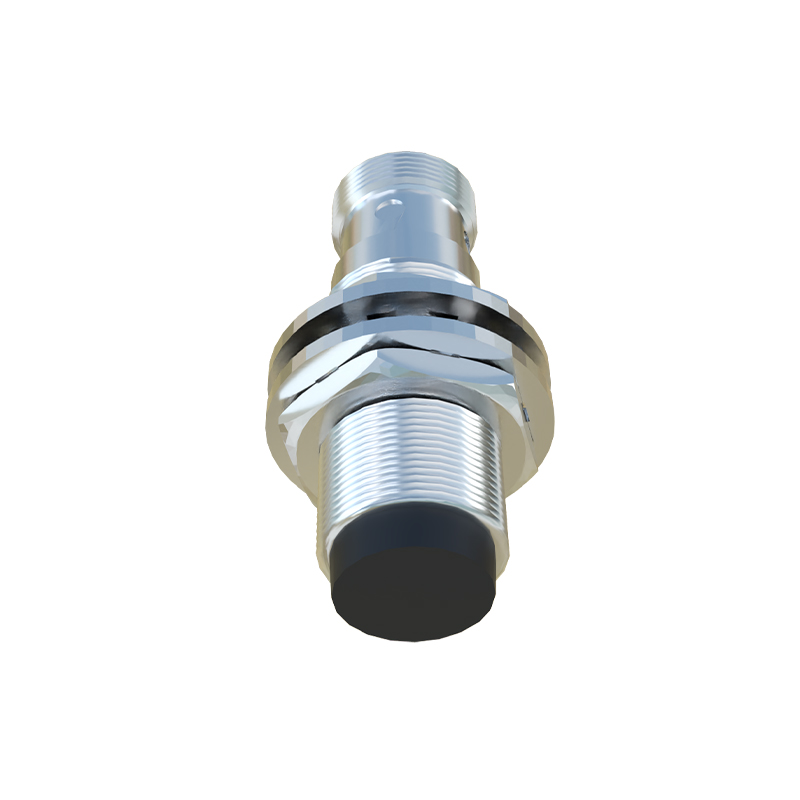
However, the technology is not without its challenges. False readings can occur due to highly reflective surfaces, certain types of screen protectors, or extreme environmental conditions. Manufacturers continuously refine sensor algorithms and hardware placement—often embedding the sensor within the top bezel or under the display in newer "all-screen" designs—to mitigate these issues. The rise of in-display fingerprint sensors and front-facing cameras has made sensor placement a significant engineering puzzle, driving innovation in miniaturization and optical design.
Looking ahead, the role of the proximity sensor may become even more integrated with emerging technologies. As augmented reality (AR) applications grow, precise proximity data could help in spatial awareness for safer interaction with virtual objects. In the realm of always-on ambient computing, low-power sensors like these will be crucial for context-aware devices that anticipate user needs. For now, every time you effortlessly take a call without your screen lighting up against your face, you are experiencing the quiet, essential efficiency of the proximity sensor—a testament to the sophisticated engineering embedded within our everyday devices. Its function, though simple in concept, is fundamental to the seamless, intelligent operation that defines the modern smartphone experience.