In the industrial automation and safety systems sector, mirror reflection proximity sensors have become indispensable components due to their high precision, reliability, and adaptability in various environmental conditions. These sensors operate by emitting a light beam—typically infrared or laser—toward a reflective surface, such as a mirror, and detecting the reflected signal to determine the presence or absence of an object. The factory price of these sensors is influenced by a multitude of factors, ranging from technical specifications to market dynamics.
One of the primary determinants of the factory price is the sensor's technical capabilities. Sensors with higher sensing ranges, faster response times, and enhanced accuracy generally command a premium. For instance, models capable of detecting objects at distances exceeding 10 meters or those with sub-millisecond response times are engineered with advanced optical components and signal processing circuits, leading to increased production costs. Additionally, the type of light source used plays a significant role. Laser-based sensors, offering superior precision and minimal dispersion, are typically more expensive than their infrared LED counterparts. The inclusion of features like background suppression, temperature compensation, and robust housing materials (e.g., stainless steel or IP67-rated enclosures) further elevates the manufacturing expense.
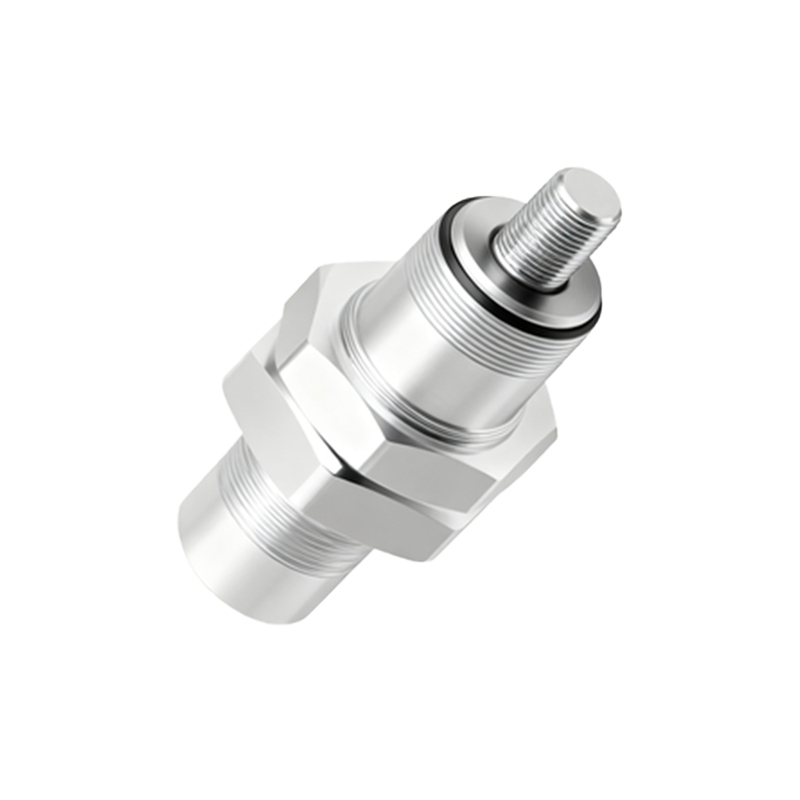
The complexity of the internal circuitry and the quality of components are also critical cost factors. Sensors incorporating microprocessors for intelligent functions—such as programmable logic, self-diagnostics, or communication protocols (e.g., IO-Link, PROFINET)—involve higher R&D and assembly costs. The choice between analog and digital output variants can affect pricing, with digital models often being more costly due to their integrated signal conditioning. Moreover, production volume significantly impacts the per-unit price. Large-scale manufacturers benefit from economies of scale, allowing them to offer competitive factory prices, while smaller batches from niche producers may result in higher costs.
Market competition and supply chain dynamics are equally influential. The presence of established global brands like Sick, Omron, and Keyence sets benchmark prices, but numerous mid-tier and emerging manufacturers offer cost-effective alternatives without substantial compromises in quality. Geopolitical factors, such as trade tariffs or raw material shortages (e.g., semiconductors, optical glass), can cause price fluctuations. Additionally, regional manufacturing hubs—particularly in Europe, North America, and Asia—exhibit varying cost structures due to differences in labor, regulatory compliance, and logistics.
From a buyer's perspective, understanding the total cost of ownership is crucial. While the initial factory price is a key consideration, factors like durability, maintenance requirements, and compatibility with existing systems should be evaluated. Sensors designed for harsh environments (e.g., extreme temperatures, corrosive atmospheres) may have a higher upfront cost but offer long-term savings through reduced downtime and replacement frequency. Furthermore, suppliers often provide volume discounts, customized solutions, or bundled packages with accessories like mounting brackets or cables, which can affect the effective price.
In recent years, technological advancements have driven a trend toward miniaturization and smart integration, potentially increasing R&D costs but also enabling more efficient production processes. The growing adoption of Industry 4.0 and IoT frameworks has spurred demand for sensors with connectivity features, influencing pricing strategies. As automation expands across sectors like automotive, packaging, and pharmaceuticals, the mirror reflection proximity sensor market is expected to grow, potentially leading to price stabilization or gradual declines due to intensified competition and manufacturing innovations.
Ultimately, the factory price of a mirror reflection proximity sensor is a reflection of its design sophistication, component quality, and market positioning. Buyers are advised to conduct thorough comparisons, request detailed quotations, and consider long-term operational benefits rather than focusing solely on the initial purchase price. Collaborating with reputable suppliers who offer technical support and warranty services can ensure optimal value and performance in industrial applications.