Inductive proximity sensors have become indispensable components across numerous industrial sectors due to their reliability, durability, and non-contact detection capabilities. These sensors operate on a fundamental principle: they generate an electromagnetic field from a coil within an oscillator circuit. When a metallic object enters this field, eddy currents are induced on the object's surface, causing a change in the oscillation amplitude. This change is detected by the sensor's circuitry, which then triggers a solid-state output signal. The entire process occurs without any physical contact, making these sensors ideal for harsh environments where wear, contamination, or mechanical failure are significant concerns.
One of the most prevalent applications is in automated manufacturing and assembly lines. Here, inductive sensors perform critical tasks such as part presence verification, counting, and positioning. For instance, on a conveyor system, a sensor can detect the passage of metal components to confirm proper feeding into a machining station or to count finished products. Their high switching frequency allows them to detect objects moving at very high speeds, ensuring process efficiency and consistency. In robotic welding cells, these sensors are often used to confirm the precise position of a metal workpiece before the welding operation begins, preventing costly errors and rework.
The automotive industry relies heavily on these sensors for both manufacturing and within vehicle systems themselves. On production lines, they monitor the position of engine blocks, chassis components, and other metal parts throughout various stages of assembly. Within vehicles, inductive sensors are integral to anti-lock braking systems (ABS), where they monitor wheel speed by detecting the teeth of a tone ring. This non-contact method is far more reliable in dirty, wet conditions than mechanical alternatives. They are also used to detect gear position in transmissions and to monitor parameters in power steering systems.
Material handling and packaging machinery extensively utilize inductive proximity sensors for control and safety. In automated storage and retrieval systems, sensors verify the presence of metal pallets or totes. On packaging lines, they ensure metal lids or caps are correctly positioned before sealing. A crucial safety application is in guarding hazardous machine areas. A sensor can detect if a protective metal gate or guard door is securely closed before allowing a press, cutter, or robot to operate, protecting personnel from injury.
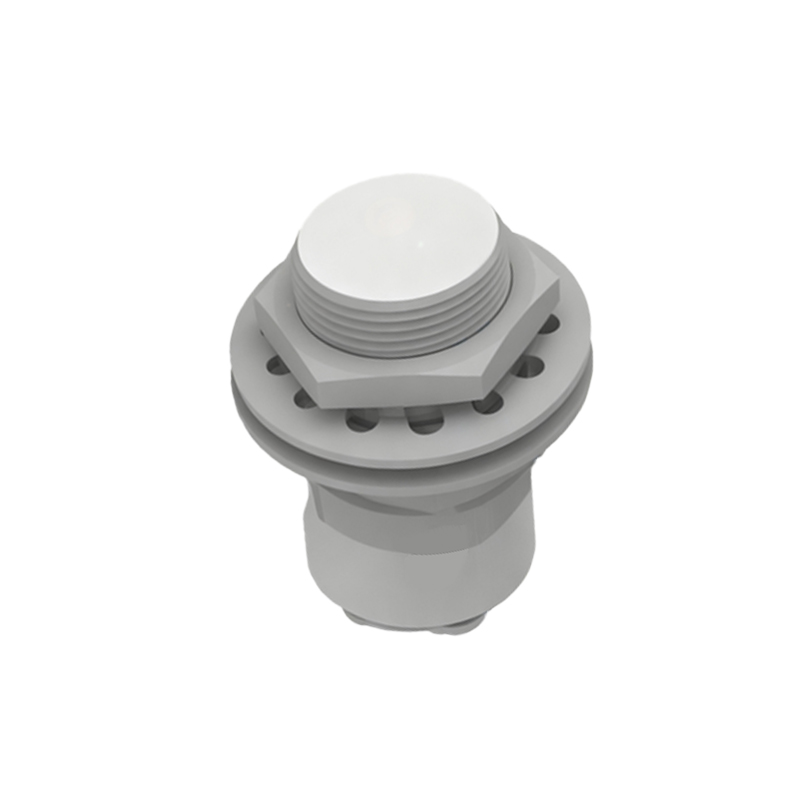
Beyond traditional factory settings, these sensors find use in more specialized fields. In the metalworking industry, they are employed on CNC machines to provide tool length measurement and tool breakage detection. The energy sector uses them to monitor valve positions in pipelines or to detect the level of conductive liquids in tanks when combined with a float. Even in harsh environments like mining or heavy construction, sealed inductive sensors can detect the position of excavator arms or the presence of metal ore on conveyors, enduring vibration, dust, and moisture.
The selection of the right inductive sensor depends on several factors. The target material is paramount; standard sensors detect ferrous metals like steel and iron at the greatest range, while non-ferrous metals like aluminum or copper require a reduced sensing distance. The sensor's housing style—tubular, rectangular, or ring-shaped—must suit the mounting constraints. Environmental conditions such as temperature extremes, washdown requirements, or exposure to welding spatter dictate the need for specific housing materials like stainless steel or PBT plastic and appropriate ingress protection (IP) ratings. Finally, output type (PNP/NPN, NO/NC) and connection method (pre-wired, quick-disconnect) must be compatible with the control system.
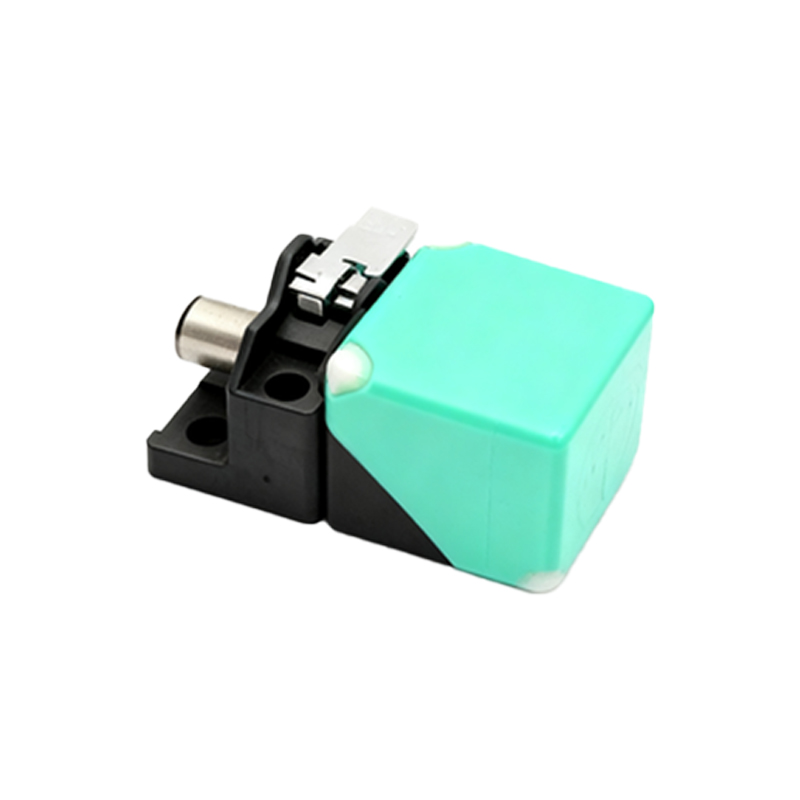
Modern advancements continue to expand their utility. Factor-1 sensors can detect all metals at the same range, simplifying inventory and application. Analog output versions provide a continuous signal proportional to the distance to the target, enabling precise positioning feedback. Miniaturized designs allow installation in extremely tight spaces. With their robust construction, immunity to environmental factors like oil and dirt, and long operational life, inductive proximity sensors remain a cornerstone of industrial automation, providing the essential "eyes" for countless machines and processes that form the backbone of modern production.