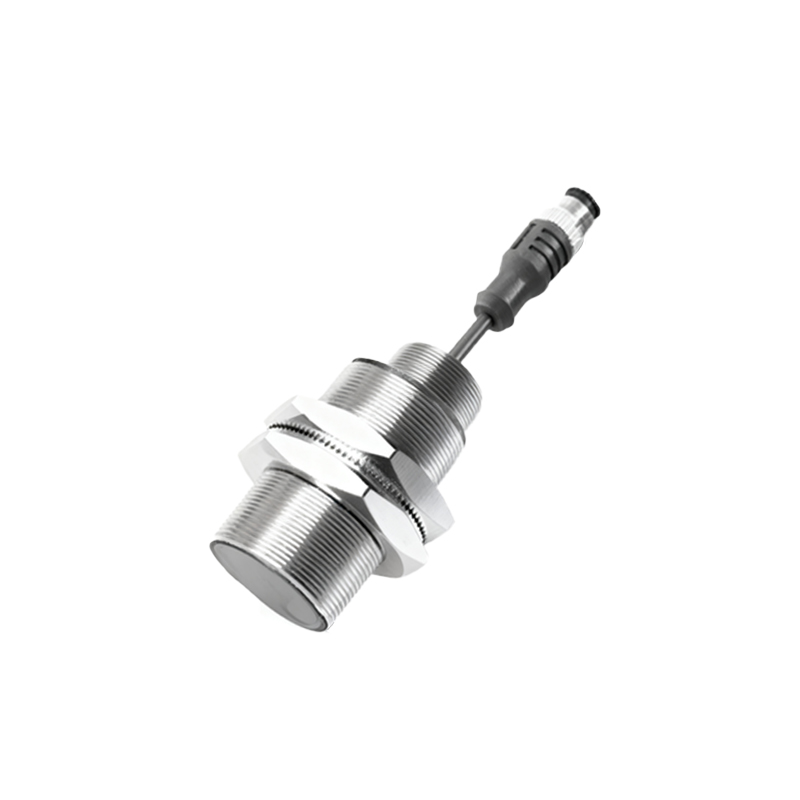
In the realm of industrial automation and control systems, the reliability of standard proximity sensors is paramount. These non-contact devices, detecting the presence or absence of objects, form the backbone of countless processes, from assembly lines to packaging machinery. While significant emphasis is rightly placed on selecting sensors with the correct specifications—be it inductive, capacitive, or ultrasonic—the long-term value and operational integrity are equally dependent on a robust, professional after-sales service framework. This article delves into the critical components of such a service, outlining why it is not merely a support function but a strategic partnership for operational continuity.
The lifecycle of a standard proximity sensor extends far beyond the point of installation. Environmental factors such as temperature extremes, humidity, vibration, and exposure to chemicals can gradually impact performance. Even the highest-quality sensors require periodic verification and maintenance to ensure they continue to operate within specified tolerances. A comprehensive after-sales service program begins with proactive support. This includes detailed documentation—not just datasheets, but application notes, installation guides, and compatibility matrices. Providing clear, accessible technical resources empowers maintenance teams to perform correct installations from the outset, preventing premature failures and minimizing downtime.
When issues arise, a swift and effective response is crucial. A dedicated technical support hotline or online portal staffed by engineers with deep application knowledge is indispensable. These experts can guide troubleshooting remotely, helping to diagnose whether a problem stems from the sensor itself, the mounting, electrical interference, or the target material. This first line of defense often resolves problems without the need for physical intervention, saving valuable time and resources. For more complex scenarios, on-site service becomes necessary. Service agreements that offer scheduled calibration checks, performance audits, and preventive maintenance visits help identify potential failures before they cause unscheduled production stops. Technicians can clean sensing faces, check mounting integrity, verify electrical connections, and test response times against original specifications.
Another cornerstone of exceptional after-sales service is a streamlined repair and replacement logistics chain. This encompasses a clear Return Material Authorization (RMA) process, access to a well-stocked inventory of spare parts and replacement units, and options for expedited shipping. For critical applications, having access to loaner units or advanced exchange programs can keep production lines running while a faulty sensor is being repaired. Furthermore, a reputable service provider will offer recalibration and certification services, ensuring that repaired or even older sensors continue to meet the original OEM specifications. This is particularly important in industries with strict quality control and audit requirements.
The evolution of technology also plays a role in after-sales care. As control systems modernize, older sensor models may become obsolete. A forward-thinking service partner will provide clear migration paths and upgrade advice, helping clients transition to newer, more efficient models without disrupting existing operations. They may offer trade-in programs or detailed cross-reference guides to facilitate this process. Training is another vital, yet sometimes overlooked, element. Offering workshops or online modules for maintenance personnel on the principles of proximity sensing, installation best practices, and advanced troubleshooting fosters in-house expertise, reducing dependency on external support over time.
Ultimately, investing in a standard proximity sensor is an investment in a system's reliability. The initial product cost is only one part of the total cost of ownership. Downtime, lost production, emergency service calls, and premature replacements contribute significantly to operational expenses. A manufacturer or distributor that provides a holistic, responsive, and knowledgeable after-sales service package directly protects this investment. It transforms a simple transactional purchase into a long-term collaborative relationship focused on maximizing uptime, optimizing performance, and ensuring that these critical components deliver their promised value throughout their entire operational life. In today's competitive landscape, such service is not a luxury; it is a fundamental requirement for sustainable and efficient industrial operations.