In the realm of industrial automation and hazardous environment management, explosion-proof proximity sensors have become a critical component. The question of whether they are "good" or "bad" is not a matter of simple binary judgment but rather a nuanced evaluation based on application-specific requirements, technological capabilities, and operational trade-offs. This article delves into the core aspects of these sensors from an engineering perspective, adhering to industry standards and practical insights.
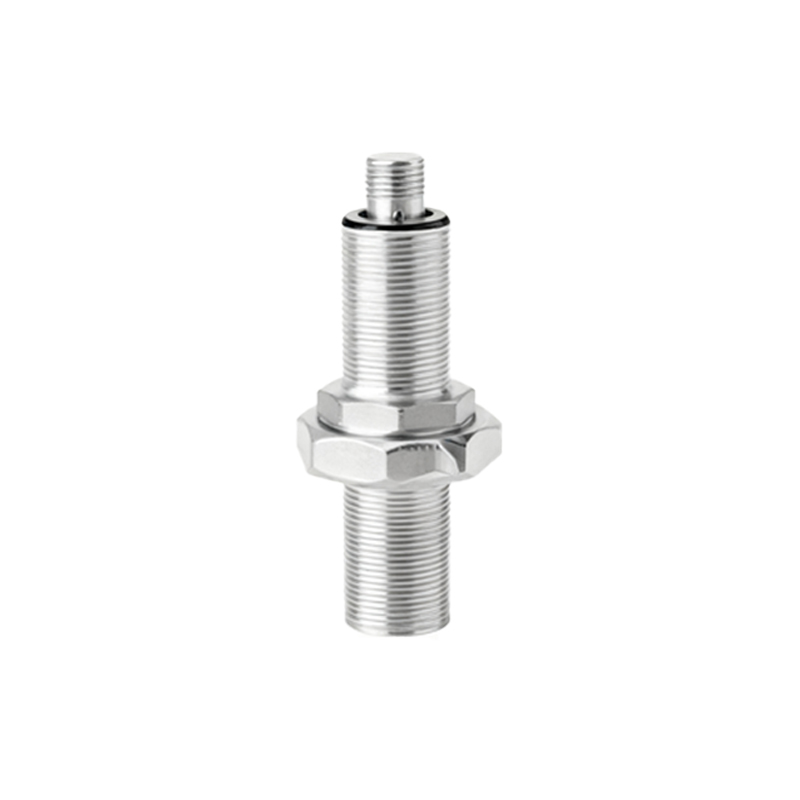
Fundamentally, explosion-proof proximity sensors are designed to detect the presence or absence of objects without physical contact in areas where flammable gases, vapors, or dusts may be present. Their construction follows stringent international certifications such as ATEX, IECEx, or UL HazLoc, which mandate robust enclosures, controlled energy levels, and specific sealing techniques to prevent ignition. From a performance standpoint, modern sensors offer high reliability, with sensing ranges varying from a few millimeters to several tens of millimeters, depending on the technology—inductive, capacitive, or magnetic. They are praised for their durability in harsh conditions, resistance to corrosion, and ability to function in extreme temperatures, which is a clear advantage in industries like oil and gas, chemical processing, and mining.
However, the "good" aspects come with inherent challenges. The primary drawback is cost. Explosion-proof variants are significantly more expensive than standard sensors due to the specialized materials, rigorous testing, and certification processes involved. This can impact the overall budget for large-scale installations. Additionally, their physical design tends to be bulkier and heavier, which may complicate mounting and integration into compact machinery. Maintenance, while generally minimal, requires trained personnel familiar with hazardous area protocols, and any repair or replacement must strictly adhere to safety regulations to avoid compromising the explosion-proof integrity. Another point of contention is the potential for reduced sensing performance in certain environments; for instance, metallic dust or heavy contamination can interfere with inductive sensors, necessitating frequent cleaning or alternative sensor choices.
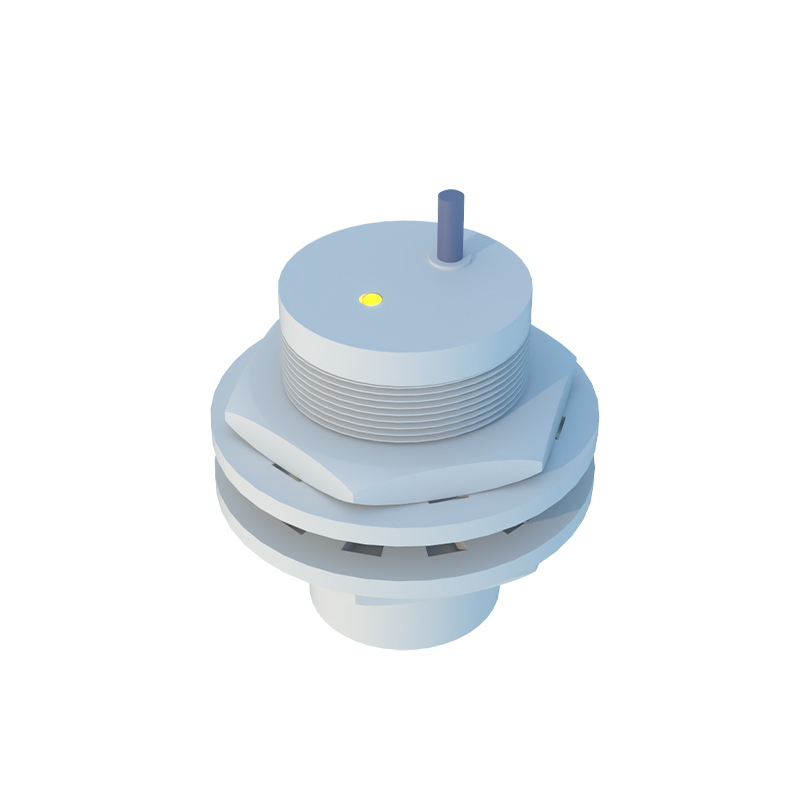
Technological advancements have mitigated some traditional downsides. The advent of solid-state designs, improved housing materials like stainless steel or specialized polymers, and enhanced diagnostic features (such as IO-Link communication) have increased longevity and ease of use. These sensors now often include self-monitoring capabilities that alert operators to issues like wiring faults or degradation, thereby reducing unplanned downtime. Yet, the "bad" or less favorable aspects persist in scenarios where cost sensitivity overrides safety mandates, or where non-hazardous alternatives could suffice without the added complexity.
From an industry best-practices viewpoint, the suitability of explosion-proof proximity sensors hinges on a thorough risk assessment. In certified hazardous zones, their use is not just beneficial but legally obligatory to prevent catastrophic incidents. The key is to select sensors with appropriate protection levels (e.g., Ex d, Ex i, or Ex e), matching them precisely to the zone classification and the nature of the flammable substances. Over-specifying can lead to unnecessary expenditure, while under-specifying poses severe safety risks. Therefore, the "goodness" of these sensors is ultimately defined by correct application engineering, regular compliance audits, and a lifecycle cost analysis that factors in safety, reliability, and operational efficiency.
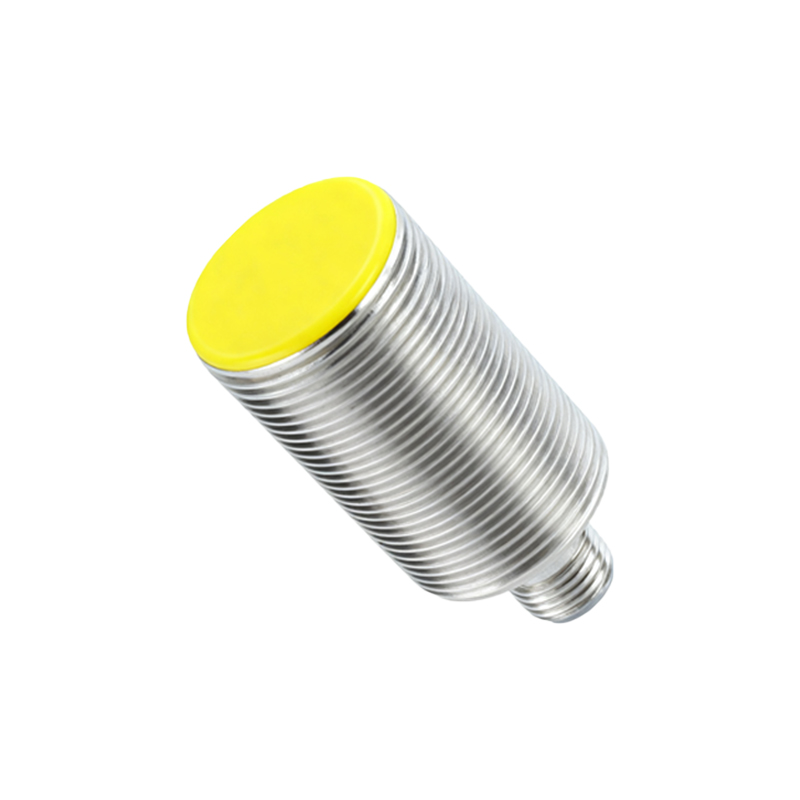
In conclusion, labeling explosion-proof proximity sensors as universally good or bad is misleading. They are indispensable tools in hazardous environments, offering unparalleled safety when properly deployed. Their drawbacks—mainly cost, size, and maintenance demands—are trade-offs for the critical protection they provide. As technology evolves, these sensors continue to improve, balancing performance with practicality. For engineers and facility managers, the decision should be guided by a holistic evaluation of environmental conditions, regulatory requirements, and long-term operational goals, ensuring that safety remains paramount without compromising on functionality.