Proximity sensors are critical components in modern industrial automation, providing non-contact detection of objects within their sensing range. Sensitivity, a key performance parameter, directly impacts reliability and precision in applications such as positioning, counting, and safety systems. Accurate sensitivity detection ensures optimal sensor performance, reduces false triggers, and extends operational lifespan. This article outlines established methods for evaluating proximity sensor sensitivity, aligned with industry standards and practical engineering practices.
The sensitivity of a proximity sensor refers to its ability to detect a target at a specified distance under defined conditions. It is typically measured as the maximum sensing distance (Sn) at which the sensor can reliably detect a standard target. Factors influencing sensitivity include target material, size, shape, environmental temperature, electrical noise, and supply voltage variations. Industry standards, such as IEC 60947-5-2, provide guidelines for testing under controlled conditions to ensure consistency and comparability.
One fundamental method for sensitivity detection is the standard target approach. A standardized test target, usually a square iron plate of defined dimensions (e.g., 1mm thickness, side length equal to the sensor's diameter or three times its rated sensing distance), is moved axially toward the sensor face. The sensing distance is recorded when the sensor's output switches state. This test is repeated multiple times to account for hysteresis and ensure repeatability. The results are compared against the sensor's datasheet specifications to verify compliance. Environmental factors must be stabilized during testing, including ambient temperature (typically 23°C±5°C) and humidity levels.
Another essential technique involves the use of calibrated target materials to evaluate material influence. Proximity sensors, especially inductive types, exhibit varying sensitivity depending on the target's metallic composition. For instance, mild steel (Fe360) is often the reference material. Sensitivity factors are applied for other metals—stainless steel may reduce effective sensing distance to 0.7-0.9 times the rated distance, while copper or aluminum can reduce it further to 0.3-0.5 times. Testing with different material targets helps engineers calibrate systems for specific applications, such as detecting non-ferrous objects in manufacturing lines.
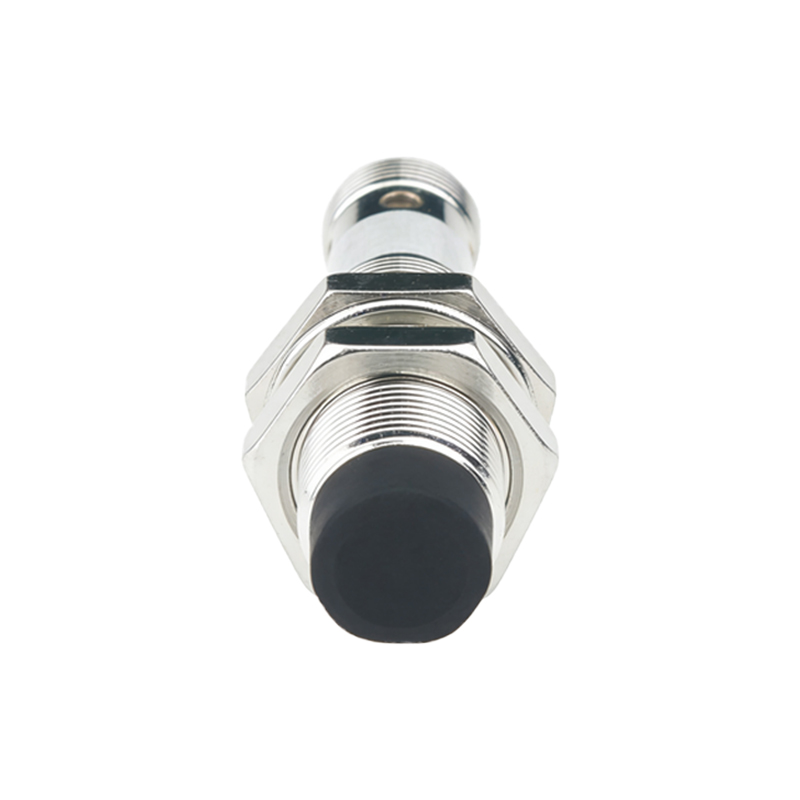
Dynamic sensitivity testing assesses performance under real-world operating conditions. This includes evaluating the sensor's response to target approach speed, vibration, and electrical interference. A motorized linear stage can move targets at controlled speeds to determine if sensitivity degrades at high velocities. Electrical noise immunity tests involve exposing the sensor to electromagnetic interference (EMI) from nearby motors or frequency drives, measuring any shifts in sensing distance. Such tests are vital for applications in harsh industrial environments where reliability is paramount.
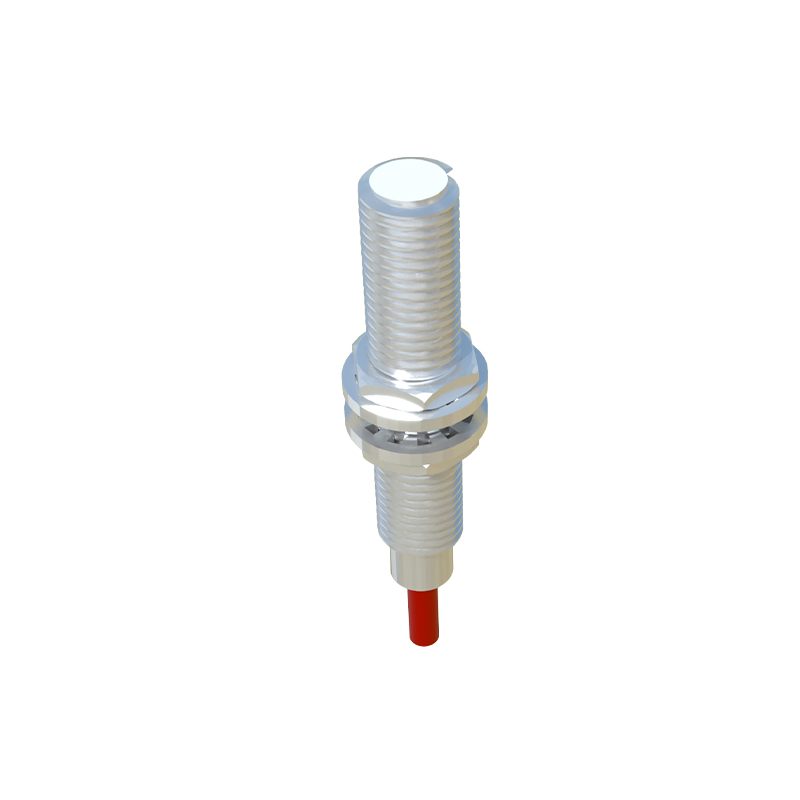
Temperature drift analysis is also crucial for sensitivity validation. Proximity sensors may experience thermal drift, where sensing distance changes with temperature fluctuations. Testing involves placing the sensor and target in a climate chamber, cycling temperatures across the specified operating range (e.g., -25°C to 70°C), and recording sensitivity variations. Compensated sensors with built-in temperature correction should maintain sensitivity within tight tolerances, ensuring stable performance in outdoor or variable-temperature settings.
Advanced diagnostic methods incorporate oscilloscope analysis to monitor signal integrity. By probing the sensor's output waveform during detection events, engineers can identify issues like signal damping or delayed switching that affect sensitivity. For analog output sensors, sensitivity correlates with output voltage or current linearity relative to distance; plotting this relationship verifies consistency across the sensing range. Digital protocols (e.g., IO-Link) enable software-based sensitivity monitoring, allowing real-time adjustment and predictive maintenance through integrated diagnostics.
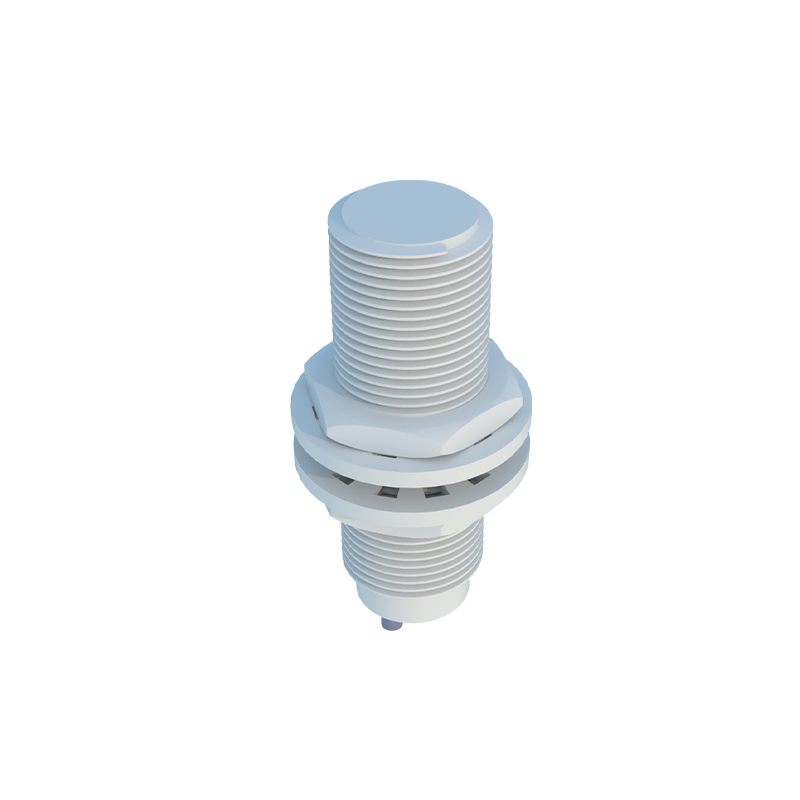
In practice, regular sensitivity checks are part of preventive maintenance schedules. Field technicians often use portable test kits containing certified targets and distance gauges to perform on-site validations. Documentation of sensitivity trends over time helps predict sensor degradation, preventing unplanned downtime. Calibration intervals should align with operational intensity—high-cycle applications may require quarterly checks, while static installations might suffice with annual inspections.
Ultimately, robust sensitivity detection methods enhance system reliability and safety. Engineers should select techniques based on application criticality, sensor type (inductive, capacitive, ultrasonic), and environmental demands. Adhering to standardized procedures ensures accurate performance benchmarking, facilitating interoperability and quality assurance in industrial automation projects. Continuous innovation in sensor technology, including smart filtering algorithms and self-diagnostic features, is further refining sensitivity management, paving the way for more resilient and adaptive automation systems.