In the landscape of industrial automation and control, proximity sensing stands as a fundamental pillar. Among the diverse technologies available, Hall Effect proximity sensors have carved out a critical niche, offering robust, contactless detection solutions for a multitude of challenging applications. Their operation, rooted in a well-established physical phenomenon, provides distinct advantages in environments where reliability, longevity, and precision are non-negotiable.
The core principle is the Hall Effect, discovered by Edwin Hall in 1879. When a current-carrying conductor or semiconductor (the Hall element) is placed within a magnetic field, a voltage, known as the Hall voltage, is generated perpendicular to both the current and the field. A Hall Effect proximity sensor leverages this phenomenon. It typically consists of a Hall element, a permanent magnet (either integrated or as a target), and signal conditioning electronics. When a ferromagnetic target (like a steel gear tooth or a machine part) enters the sensor's magnetic field, it distorts the field lines. This distortion is detected by the Hall element as a change in the Hall voltage. The integrated circuitry processes this change and triggers a solid-state switching output, providing a clean, bounce-free signal.
This operating principle grants Hall Effect sensors several compelling benefits. First, they are truly solid-state with no moving parts, leading to exceptional durability, high operational speed (often into the kHz range), and an almost infinite lifespan in terms of switching cycles. Second, they are immune to environmental contaminants such as dust, oil, moisture, and vibrations that would plague mechanical switches or optical sensors. They can operate reliably in dirty, wet, or harsh industrial settings. Third, they provide precise, repeatable switching points with minimal hysteresis. Finally, they can detect magnetic fields directly, enabling unique applications with permanent magnets.
The applications of Hall Effect proximity sensors are vast and varied across industries:
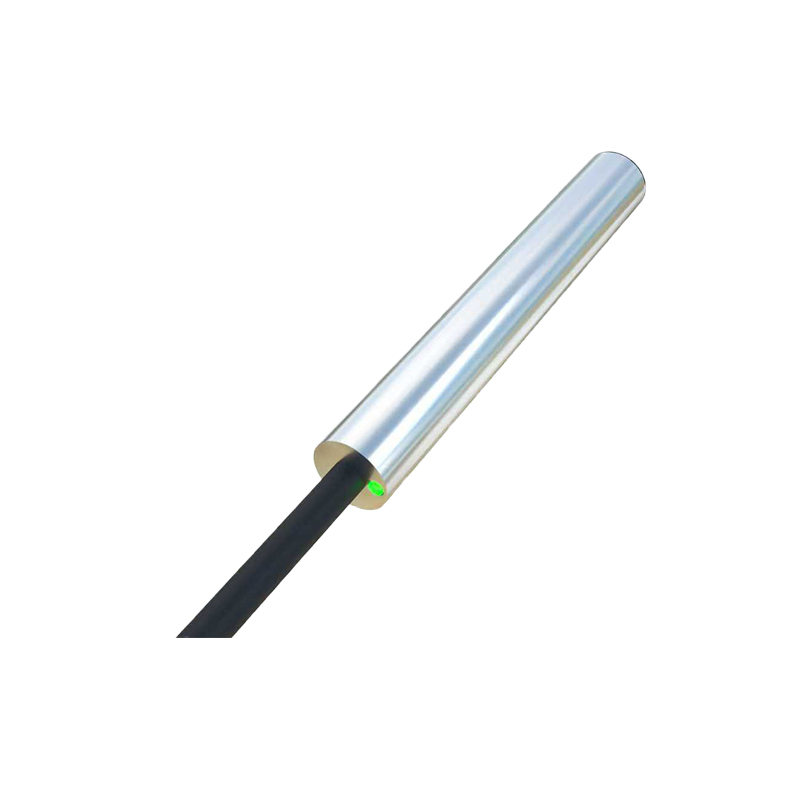
Automotive: They are ubiquitous in modern vehicles, used for crankshaft and camshaft position sensing, wheel speed detection for ABS and traction control, gearbox position sensing, and seatbelt buckle detection. Their ability to function in under-hood temperatures and oily conditions is paramount.
Factory Automation: On production lines, they are employed for counting (e.g., bottles, parts), detecting the presence or absence of components, monitoring rotational speed of motors and conveyors, and establishing end-of-travel limits on linear actuators. Their fast response is ideal for high-speed packaging and sorting machinery.
Material Handling: In forklifts, automated guided vehicles (AGVs), and conveyor systems, they are used for pallet detection, fork positioning, and safety interlocking.
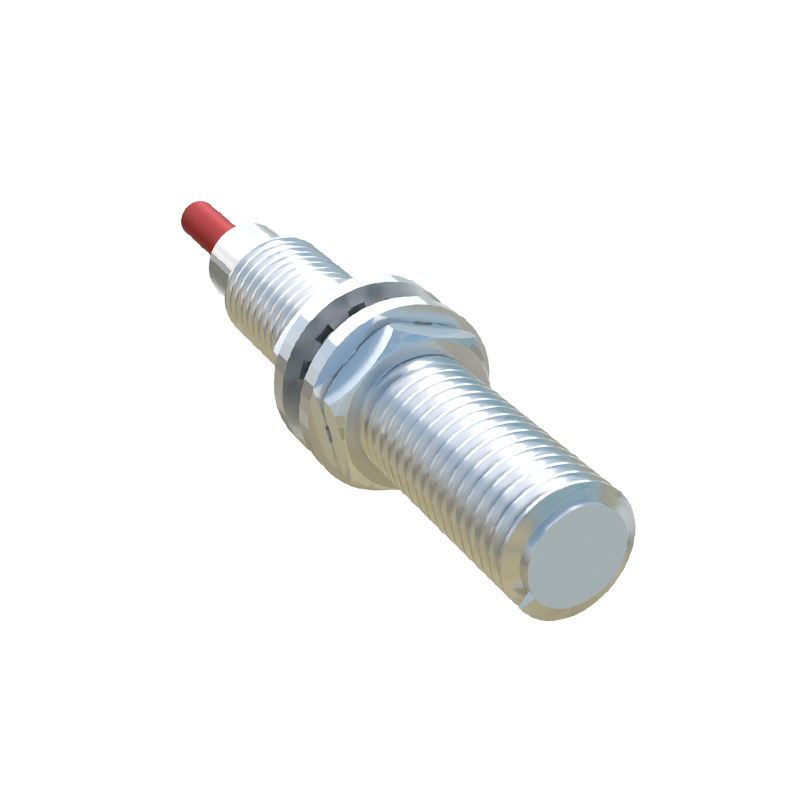
Consumer Electronics: They enable features like laptop lid-open/close detection, smartphone flip cover sensing, and non-contact button interfaces.
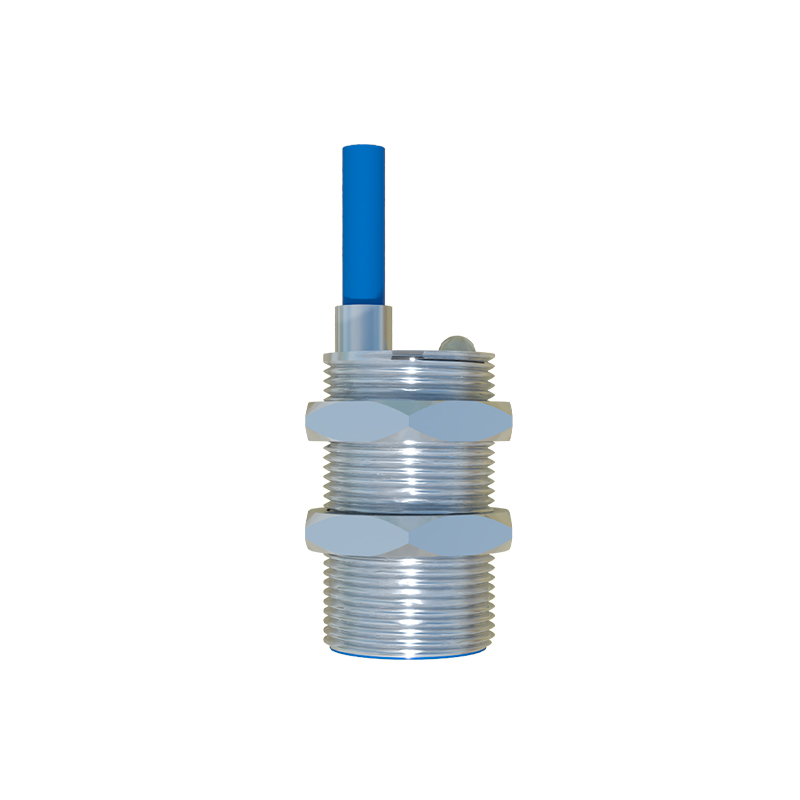
Fluid Power: In hydraulic and pneumatic systems, they serve as position feedback sensors for cylinder rods, providing critical data for programmable logic controller (PLC) sequences.
When selecting a Hall Effect sensor for an application, several key parameters must be considered:
1. Sensing Distance: The nominal operating distance at which the sensor reliably triggers. It is typically shorter than inductive sensors for similar-sized targets.
2. Output Type: Digital outputs (PNP/NPN transistor) are common for simple on/off detection. Analog outputs (voltage or current proportional to field strength) are used for position measurement. Some offer push-pull or IO-Link outputs for advanced communication.
3. Electrical Characteristics: Operating voltage range (e.g., 5-24V DC), output current capacity, and protection against reverse polarity and short circuits.
4. Switching Frequency: The maximum number of on/off cycles per second, critical for high-speed rotational sensing.
5. Environmental Ratings: Ingress Protection (IP) rating for dust and water resistance, temperature range, and resistance to chemicals or welding fields.
6. Housing and Form Factor: Cylindrical (e.g., M8, M12, M18) or rectangular housings, with options for shielded (flush-mountable) or unshielded (longer range) designs.
A crucial design consideration is the target material. Hall Effect sensors primarily respond to ferromagnetic materials (iron, steel) or permanent magnets. The size, shape, and approach direction of the target significantly affect the effective sensing distance. For non-ferrous metals, an inductive proximity sensor is typically a better choice.
In conclusion, Hall Effect proximity sensors represent a mature yet continually evolving technology. Their solid-state nature, environmental robustness, and high reliability make them indispensable in modern industrial systems. From ensuring the precise timing of an automobile engine to safeguarding high-speed packaging lines, these sensors provide the silent, dependable feedback necessary for efficient and automated operation. Understanding their principles, advantages, and selection criteria