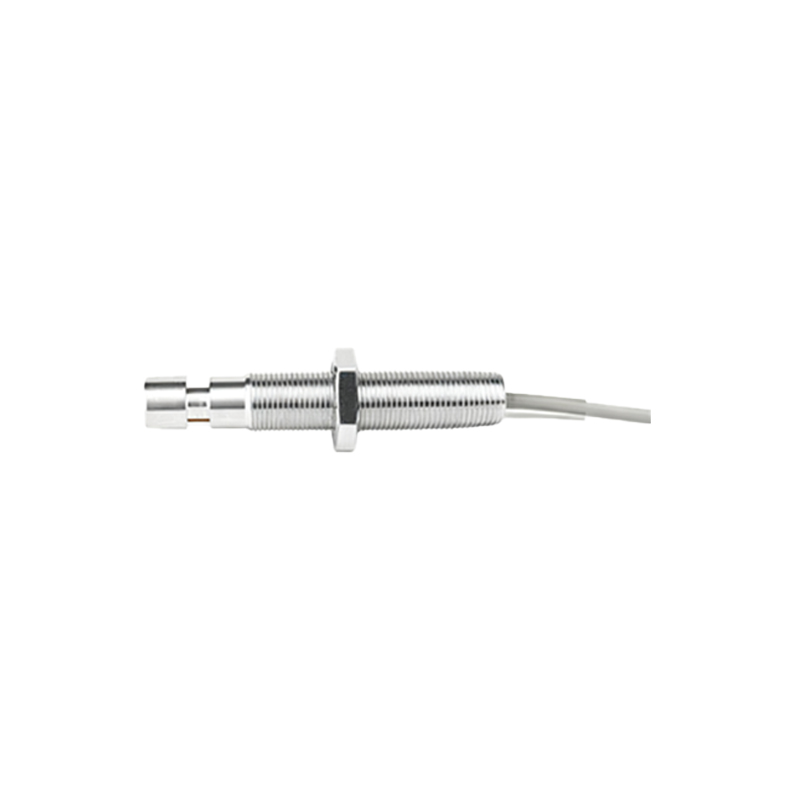
Proximity sensors are indispensable components in modern industrial automation, providing non-contact detection of objects within a specific range. These devices enhance operational efficiency, safety, and reliability across various sectors, from manufacturing to automotive assembly. Unlike mechanical switches, proximity sensors operate without physical contact, reducing wear and tear and enabling high-speed detection. This article explores the primary types of proximity sensors and their distinct roles in industrial environments.
The most common categories include inductive, capacitive, ultrasonic, and photoelectric sensors. Inductive proximity sensors are widely used for detecting metallic objects. They generate an electromagnetic field and trigger an output when a metal target enters this field. Typical applications involve position sensing in conveyor systems, machine tools, and robotic arms. Due to their robustness and resistance to environmental factors like dust or oil, inductive sensors are favored in harsh industrial settings.
Capacitive proximity sensors, on the other hand, can detect both metallic and non-metallic materials, such as plastics, liquids, or granular substances. They function by measuring changes in capacitance caused by the presence of an object. This versatility makes them ideal for level detection in tanks, material handling, and packaging industries. For instance, in food processing, capacitive sensors ensure precise filling levels without direct contact, maintaining hygiene standards.
Ultrasonic proximity sensors utilize sound waves to detect objects and measure distances. They emit high-frequency ultrasonic pulses and analyze the reflected signals. These sensors are effective in challenging conditions, including transparent or irregularly shaped items, and are commonly employed in obstacle detection for automated guided vehicles (AGVs), palletizing systems, and liquid level monitoring. Their ability to operate in dusty or humid environments adds to their reliability in complex applications.

Photoelectric sensors rely on light beams to identify objects. They consist of an emitter and a receiver, detecting interruptions or reflections of the light. Subtypes include through-beam, retro-reflective, and diffuse sensors, each suited for specific scenarios. Through-beam sensors offer long-range detection and high accuracy, often used in safety curtains or precision assembly lines. Retro-reflective sensors are efficient for detecting objects with reflective surfaces, while diffuse sensors are compact and ideal for short-range tasks like part counting or presence verification.
In addition to these primary types, magnetic proximity sensors detect permanent magnets, frequently applied in cylinder position sensing or door closure systems. Each sensor type has unique advantages: inductive sensors excel in durability, capacitive sensors in material versatility, ultrasonic sensors in distance measurement, and photoelectric sensors in speed and precision.
The selection of an appropriate proximity sensor depends on factors such as target material, environmental conditions, required sensing range, and response time. In automotive manufacturing, inductive sensors monitor engine components, while capacitive sensors manage fluid levels. Ultrasonic sensors assist in warehouse automation by guiding robotic pickers, and photoelectric sensors ensure accurate labeling on production lines.
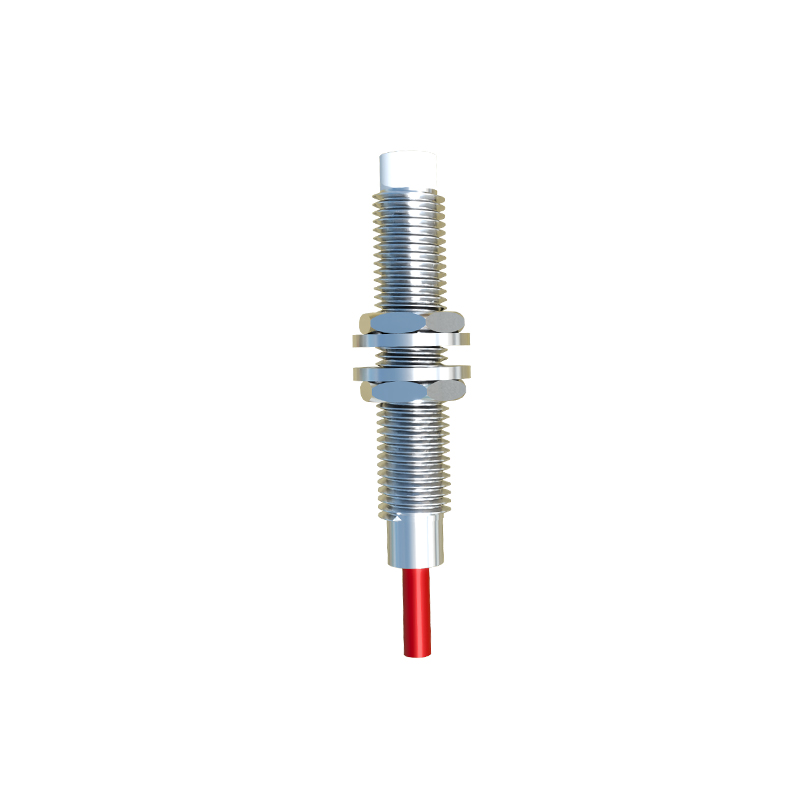
Overall, proximity sensors play a critical role in optimizing industrial processes. They minimize downtime, enhance safety by preventing collisions, and contribute to quality control through consistent detection. As Industry 4.0 advances, integrating these sensors with IoT platforms enables real-time monitoring and predictive maintenance, further boosting productivity. Understanding their types and applications allows engineers to implement tailored solutions, driving innovation and efficiency in the electrical and automation fields.