In the realm of industrial automation, precision, reliability, and efficiency are paramount. Among the myriad of components that drive modern manufacturing and processing systems, cable proximity sensors stand out as critical devices for non-contact detection and measurement. These sensors, equipped with integrated cables for power supply and signal transmission, play a pivotal role in enhancing operational safety, optimizing processes, and reducing downtime. This article delves into the fundamental principles, key functions, and diverse applications of cable proximity sensors, highlighting their significance in contemporary industrial settings.
Cable proximity sensors operate based on electromagnetic, capacitive, or inductive principles to detect the presence, absence, or position of objects without physical contact. Inductive sensors, for instance, generate an electromagnetic field and detect changes caused by metallic targets, making them ideal for metal detection in harsh environments. Capacitive sensors, on the other hand, respond to both metallic and non-metallic materials by sensing changes in capacitance, suitable for liquid level detection or plastic object recognition. The integrated cable in these sensors simplifies installation by providing a direct connection to control systems, eliminating the need for additional wiring harnesses and reducing setup complexity. This design ensures robust performance in demanding conditions, such as high temperatures, vibration, or exposure to dust and moisture, common in industries like automotive, packaging, and material handling.
The primary function of cable proximity sensors is to enable precise object detection and positioning. In automated assembly lines, they ensure components are correctly aligned before robotic arms engage, preventing misalignment and product defects. For example, in automotive manufacturing, these sensors monitor the position of engine parts or chassis components, triggering actions like welding or painting only when targets are within specified tolerances. Additionally, they contribute to safety by acting as interlocks in machinery guards; if a guard door is opened, the sensor detects the change and halts operation to protect personnel from moving parts. This non-contact nature minimizes wear and tear, extending the sensor's lifespan compared to mechanical switches, which require physical interaction and are prone to fatigue.
Beyond detection, cable proximity sensors facilitate process optimization through real-time feedback. In conveyor systems, they count items passing by, enabling inventory tracking and throughput analysis. In food and beverage industries, capacitive sensors with cables monitor fill levels in containers, ensuring consistent packaging and reducing waste. Their ability to operate in extreme environments—such as detecting metal shards in mining equipment or monitoring valve positions in chemical plants—underscores their versatility. The cable integration also enhances signal integrity over long distances, as shielded cables reduce electromagnetic interference, ensuring accurate data transmission to programmable logic controllers (PLCs) or supervisory control and data acquisition (SCADA) systems. This reliability is crucial for maintaining continuous production cycles and meeting quality standards.
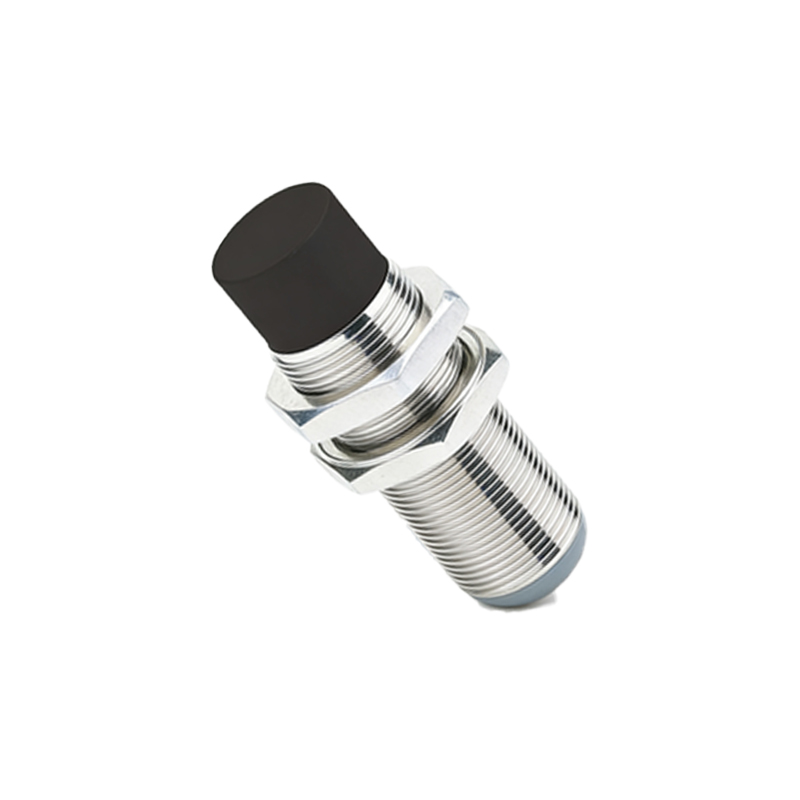
Applications of cable proximity sensors span various sectors. In logistics and warehousing, they automate sorting and retrieval processes by detecting packages on belts. In renewable energy, they monitor turbine blade positions in wind farms to optimize performance. The healthcare industry utilizes them in medical devices for precise fluid handling or equipment positioning. With advancements in technology, modern sensors offer features like adjustable sensing ranges, digital outputs, and diagnostic capabilities, allowing for easy integration into Industry 4.0 frameworks. For instance, smart sensors with IO-Link communication via cables can transmit not only detection signals but also health status data, enabling predictive maintenance and reducing unplanned outages.
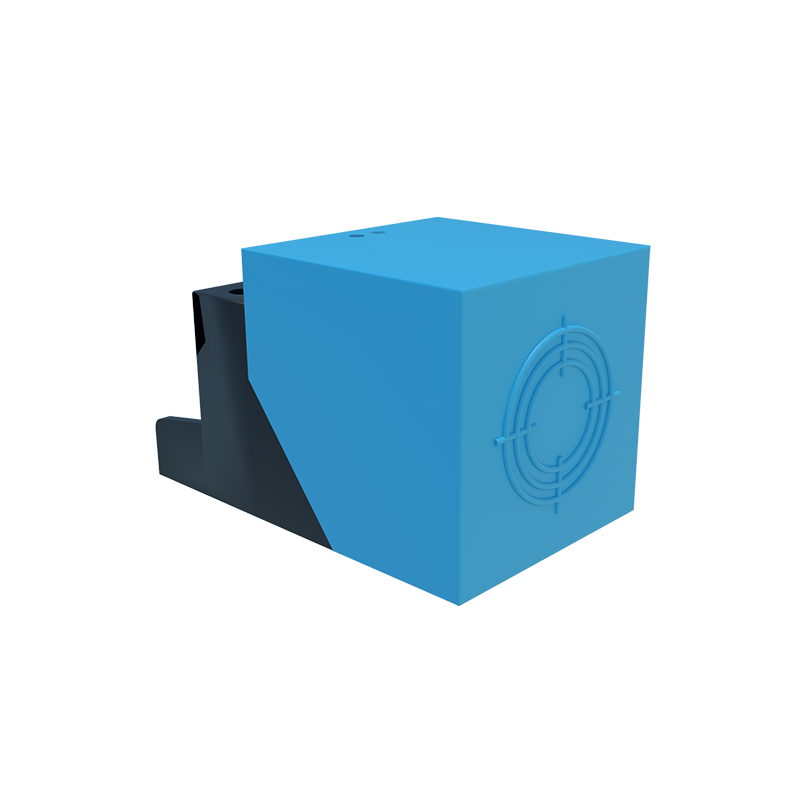
In conclusion, cable proximity sensors are indispensable tools in industrial automation, offering non-contact detection, durability, and seamless integration. Their role in improving safety, efficiency, and accuracy makes them a cornerstone of modern manufacturing and beyond. As industries evolve toward greater connectivity and automation, the demand for these sensors is poised to grow, driven by their adaptability and proven performance in diverse applications. Engineers and system designers should consider factors like sensing range, material compatibility, and environmental ratings when selecting sensors to maximize benefits in their specific operations.